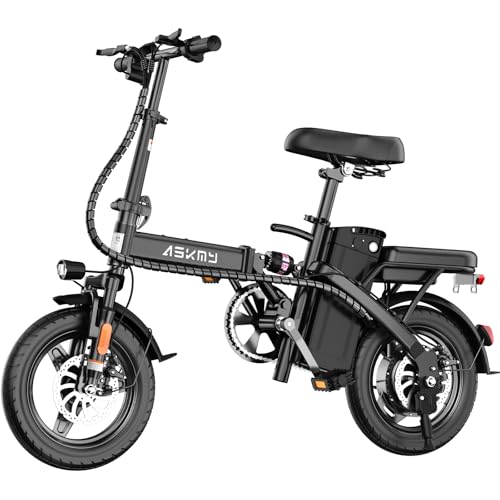


How to Choose the Right Electric Bicycle Size, Fit, and Setup for Short Riders with a Focus on Security for Weekend Rides Leave a comment
How to Choose the Right Electric Bicycle Size, Fit, and Setup for Short Riders with a Focus on Security for Weekend Rides
Choosing the right electric bicycle size, fit, and setup for short riders is essential for comfort, control, and safety—especially on weekend rides where security and stability matter most. If you’re under 5’4″, finding an e-bike that feels natural to ride can be challenging. Many standard models are designed for average or taller riders, leaving shorter cyclists struggling with reach, standover height, and handling. The good news? With the right frame geometry, adjustable components, and thoughtful setup, short riders can enjoy smooth, secure, and enjoyable rides. This guide walks you through key considerations, from frame size and saddle position to security features and test-riding tips, so you can confidently pick an e-bike that fits your body and your weekend adventures.

Why Proper Fit Matters for Short Riders on E-Bikes
A well-fitted electric bicycle isn’t just about comfort—it directly impacts your ability to control the bike, react quickly, and stay safe, especially when navigating trails, hills, or busy weekend routes. For short riders, an ill-fitting e-bike can lead to overreaching for the handlebars, difficulty putting a foot down at stops, or instability at low speeds. These issues increase the risk of falls and reduce confidence, particularly when riding at higher speeds enabled by electric assist.
Unlike traditional bikes, e-bikes are heavier due to motors and batteries, which amplifies the importance of fit. A properly sized frame ensures you can manage the extra weight with ease. It also allows for better weight distribution, smoother pedal strokes, and more responsive braking—critical factors when you’re riding on varied terrain or in traffic.
Additionally, a good fit enhances security. When you can confidently touch the ground with both feet at a stop, you’re less likely to tip over. You’ll also have better leverage for quick maneuvers, which is vital if you need to avoid obstacles or sudden stops. For weekend riders who may encounter unpredictable conditions—like gravel paths, steep inclines, or crowded bike lanes—having a bike that feels like an extension of your body makes all the difference.
Key Measurements for Electric Bicycle Sizing
To determine the right e-bike size, focus on three core measurements: standover height, reach, and saddle height. These dimensions are especially critical for riders under 5’4″.
Standover Height
This is the distance from the ground to the top tube of the bike frame. When standing over the bike, you should have at least 1–2 inches of clearance between the top tube and your inseam. For shorter riders, this often means opting for a step-through or low-step frame, which eliminates the high top tube and makes mounting and dismounting safer and easier.
For example, a rider who is 5’2″ might find that a standard diamond frame with a 30-inch standover is too tall, while a step-through model with a 26-inch standover allows them to stand flat-footed with room to spare. Always check manufacturer specs—some brands list standover height directly, while others require you to calculate it from frame size and geometry charts.
Reach to Handlebars
Reach refers to the horizontal distance from the saddle to the handlebars. Too long a reach forces you to stretch, leading to back and shoulder strain. Too short, and you may feel cramped or unstable at speed.
Short riders should look for bikes with shorter top tubes or adjustable stems. Some e-bikes come with swept-back handlebars or ergonomic grips that bring controls closer. Test riding is the best way to assess reach—sit on the bike and check if your elbows are slightly bent and your shoulders relaxed when holding the grips.
Saddle Height and Adjustability
Proper saddle height ensures efficient pedaling and knee safety. When seated, your leg should be almost fully extended at the bottom of the pedal stroke, with a slight bend in the knee. Most e-bikes allow for saddle height adjustment, but the range varies.
Short riders should confirm the minimum saddle height is low enough for them to touch the ground comfortably. A seat post with a longer drop or a suspension seat post can offer more flexibility. Some models, like the Rad Power Bikes RadCity Step-Thru, feature low minimum seat heights (around 28 inches), making them ideal for riders under 5’3″.
Frame Types Best Suited for Short Riders
Not all e-bike frames are created equal—especially when it comes to accommodating shorter inseams and torso lengths. Here are the most rider-friendly options:
Step-Through Frames
Step-through frames have a low or absent top tube, allowing riders to swing their leg over easily. These are ideal for short riders, older adults, or anyone wearing skirts or dresses. They promote better balance at stops and reduce the risk of falling when dismounting.
Popular models include the Trek Verve+ 2 Lowstep, Specialized Turbo Vado SL Low-Step, and Aventon Level. Commuter. These bikes often come with integrated lights, fenders, and racks—great for weekend errands or scenic rides.
Compact or Women’s-Specific Geometry
Some brands design frames with shorter top tubes and smaller cockpits to better fit shorter torsos and arms. While not all “women’s” bikes are necessary for every short rider, the geometry often benefits anyone under 5’5″. Look for models labeled as “compact” or “low-step” with shorter reach measurements.
Folding E-Bikes
Folding e-bikes, like the Brompton Electric or Tern Vektron, are engineered for compact riders. Their small wheels and adjustable components make them highly adaptable. While not ideal for long-distance weekend rides due to smaller wheels and limited battery range, they’re excellent for urban commuting with weekend versatility.
Adjusting Your E-Bike for a Secure and Comfortable Ride
Even with the right frame, fine-tuning your e-bike’s setup is crucial for security and comfort. Small adjustments can dramatically improve control and confidence.
Handlebar Position
Lowering or raising the handlebars changes your riding posture. For short riders, a higher handlebar position reduces strain on the back and shoulders and improves visibility. Many e-bikes allow you to adjust stem height or swap out stems for shorter or taller versions.
If your bike has a rigid stem, consider upgrading to an adjustable one. A 60–70mm stem with a slight rise can bring the handlebars closer and higher, creating a more upright, comfortable position.
Saddle Angle and Fore/Aft Position
The saddle should be level or tilted slightly downward to prevent sliding forward. The fore/aft position—how far forward or back the saddle sits—affects pedaling efficiency and weight distribution. A saddle too far forward can cause knee strain; too far back reduces power transfer.
Use a plumb line or heel method: sit on the bike and place your heel on the pedal at its lowest point. Your leg should be straight. Adjust the saddle forward or back until this is achieved.
Pedal and Crank Arm Considerations
Shorter riders may benefit from shorter crank arms (165mm instead of the standard 170mm or 175mm). Shorter cranks reduce the pedal’s arc, making it easier to clear the ground and improving pedal stroke smoothness. Some e-bike manufacturers offer models with shorter cranks, or you can replace them after purchase.
Braking and Control Reach
Ensure brake levers and shifters are within easy reach. Many e-bikes allow you to adjust lever angle and reach. For riders with smaller hands, look for levers with adjustable reach screws or consider upgrading to ergonomic models like Shimano’s Rapidfire Plus or SRAM’s Trigger Shifters.
Security Features to Prioritize for Weekend Rides
Weekend rides often take you farther from home, through unfamiliar areas, or on less-traveled paths. Security—both for your safety and your bike—should be a top priority.
Integrated Lighting
Many e-bikes come with built-in LED lights powered by the main battery. Front and rear lights improve visibility in low-light conditions, such as early morning or evening rides. Look for models with automatic light sensors or easy on/off switches.
Locking Mechanisms
Invest in a high-quality U-lock or folding lock. Some e-bikes include built-in lock points or compatible frames for easy attachment. Always lock the frame and rear wheel to a secure object. For added protection, use a secondary cable to secure the front wheel and battery.
Battery Security
Removable batteries are convenient but vulnerable to theft. Choose a model with a key-locked battery compartment. When parking, remove the battery and take it with you if possible. Some riders use GPS trackers like Apple AirTag or dedicated bike trackers hidden inside the frame or battery case.
Alarm Systems and Tracking
Advanced e-bikes may include motion sensors or alarms that trigger if the bike is moved without authorization. Brands like Cowboy and VanMoof offer app-connected security features, including GPS tracking and remote locking. While these add cost, they provide peace of mind for riders who frequently park in public areas.
Test Riding and Final Checks Before You Buy
Never buy an e-bike without test riding it—especially as a short rider. A bike that looks right on paper may feel awkward in practice. Use these steps during your test ride:
- Check standover clearance: Stand over the bike with both feet flat. You should have at least 1–2 inches of space above the top tube.
- Test mounting and dismounting: Practice getting on and off. It should feel smooth and stable.
- Assess reach and posture: Hold the handlebars and check if your back is straight and your arms are relaxed.
- Evaluate braking and shifting: Ensure levers are easy to reach and operate without stretching.
- Ride at different speeds: Test low-speed balance and high-speed stability. E-bikes can feel twitchy if the fit is off.
- Try hills and stops: Simulate real-world conditions. Can you stop confidently and restart on an incline?
If possible, test ride multiple models. Bring a tape measure to check standover and reach. Some bike shops offer professional fitting services—take advantage of them.
Recommended E-Bike Models for Short Riders
Here are a few electric bicycles known for their suitability for shorter riders, based on frame design, adjustability, and user feedback:
| Model | Frame Type | Standover Height | Min. Saddle Height | Best For |
|---|---|---|---|---|
| Rad Power Bikes RadCity Step-Thru | Step-through | 26.5 inches | 28 inches | Commuting, weekend rides |
| Trek Verve+ 2 Lowstep | Low-step | 27 inches | 29 inches | Recreational riding, trails |
| Specialized Turbo Vado SL Low-Step | Low-step | 27.5 inches | 30 inches | Fitness, long-distance |
| Aventon Level. Commuter | Step-through | 26 inches | 27.5 inches | Urban riding, errands |
| Brompton Electric | Folding | 24 inches (folded) | Adjustable | City travel, storage |
These models prioritize accessibility and comfort for shorter riders while offering reliable performance and security features.
Common Mistakes to Avoid
Even with the best intentions, short riders can fall into common traps when selecting an e-bike:
- Ignoring standover height: Choosing a bike that’s too tall increases fall risk and reduces confidence.
- Overlooking adjustability: A bike with fixed components may not suit your body, even if the frame size seems right.
- Prioritizing style over fit: A sleek design isn’t worth it if you can’t ride safely or comfortably.
- Skipping the test ride: Online specs don’t tell the whole story. Always try before you buy.
- Neglecting security features: Weekend rides mean more exposure. Don’t forget lights, locks, and battery protection.
Final Thoughts: Confidence Starts with the Right Fit
Choosing the right electric bicycle size, fit, and setup for short riders isn’t just about finding a bike that’s small—it’s about finding one that empowers you to ride with confidence, control, and security. From step-through frames and adjustable components to integrated safety features, every detail matters. By focusing on standover height, reach, and real-world test rides, you can avoid common pitfalls and select an e-bike that enhances your weekend adventures. Remember, the best e-bike is one that fits your body, matches your riding style, and keeps you safe on every ride.
FAQ
What is the ideal standover height for a rider who is 5’2″?
Aim for a standover height of 26–28 inches. This allows 1–2 inches of clearance when standing over the bike, ensuring safe mounting and dismounting.
Can I modify a standard e-bike to fit a shorter rider?
Yes, with adjustments like a shorter stem, lower seat post, or shorter cranks. However, some modifications may affect warranty or performance. A purpose-built step-through or compact frame is often a better long-term solution.
Are folding e-bikes safe for weekend trail rides?
Folding e-bikes are best suited for urban or flat terrain due to smaller wheels and limited suspension. For rougher trails, a full-size step-through or low-step model with wider tires and better suspension is recommended.
