
Everyday Cycling Tips for Better Endurance, Control, and Pedaling Efficiency with a Focus on Posture for Weekend Rides Leave a comment
Everyday Cycling Tips for Better Endurance, Control, and Pedaling Efficiency with a Focus on Posture for Weekend Rides
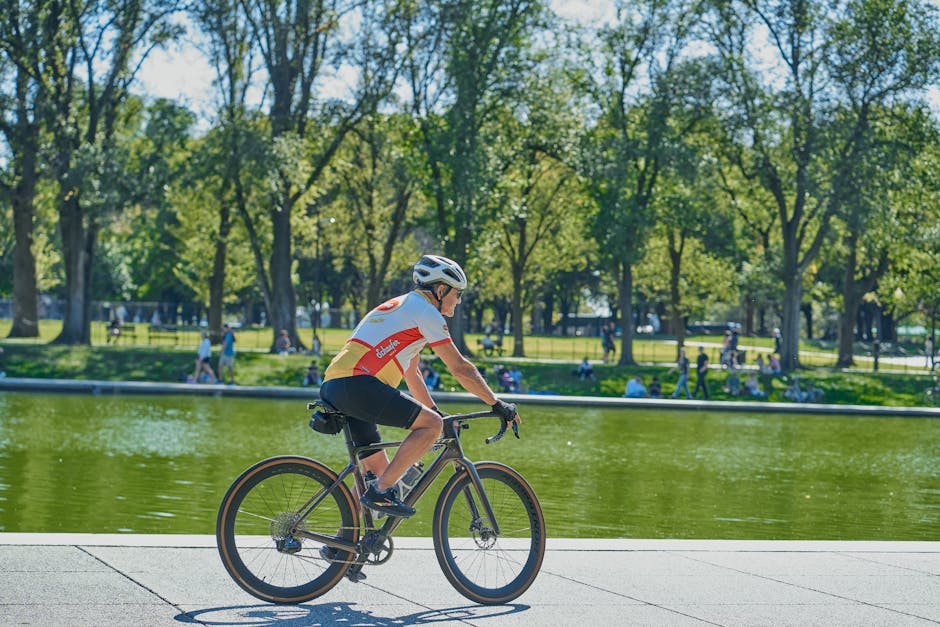
Whether you’re gearing up for a scenic weekend ride or commuting through city streets, mastering everyday cycling tips can dramatically improve your endurance, control, and pedaling efficiency. Proper posture is the foundation of a comfortable, injury-free ride—especially on longer weekend outings. By making small, consistent adjustments to how you sit, pedal, and handle your bike, you’ll ride farther with less fatigue and greater confidence. This guide breaks down practical, science-backed strategies to help you ride smarter, not harder.
Why Posture Matters for Weekend Cyclists
Good posture isn’t just about looking confident on the bike—it directly affects your performance and comfort. Poor alignment leads to wasted energy, muscle strain, and reduced control, especially over uneven terrain or during long climbs. When your spine, hips, and shoulders are properly aligned, power transfer from your legs to the pedals becomes more efficient, reducing unnecessary fatigue.
For weekend riders, who often tackle longer distances than daily commuters, maintaining correct posture over several hours is crucial. A slight forward lean with a neutral spine allows your core to support your upper body, while relaxed shoulders prevent neck tension. Think of your body as a stable platform: the more balanced and aligned you are, the smoother your ride will be.
Optimize Your Bike Fit for Better Control and Efficiency
Even the best technique won’t help if your bike doesn’t fit. A proper bike fit ensures that your body is positioned to maximize power output while minimizing strain. Start with these key adjustments:
- Saddle height: When seated, your leg should be almost fully extended at the bottom of the pedal stroke, with a slight bend in the knee (about 25–30 degrees). Too high, and you rock your hips; too low, and you lose power and risk knee pain.
- Saddle fore-aft position: Adjust so that when the crank is horizontal, your forward knee aligns vertically over the pedal axle. This balances weight distribution between hands and seat.
- Handlebar reach and height: Your arms should be slightly bent when gripping the hoods, with your back forming a 45-degree angle to the ground. Too far forward increases strain on your back and neck; too upright reduces aerodynamics and control at speed.
If you’re unsure about your fit, consider a professional bike fitting session. Many local shops offer this service, and it’s especially valuable if you experience recurring discomfort or plan to increase your riding distance.
Master the Pedaling Motion for Maximum Efficiency
Efficient pedaling isn’t just about spinning fast—it’s about smooth, circular motion. Many riders push down hard on the pedals but neglect the upstroke and pull-through phases, wasting energy and creating uneven power delivery.
To improve pedaling efficiency:
- Focus on a circular motion: Imagine scraping mud off your shoe at the bottom of the stroke, then pulling back through the dead spot. This engages your hamstrings and glutes more effectively.
- Use clipless pedals or toe clips: These allow you to apply force throughout the entire pedal cycle, not just on the downstroke. Beginners may start with flat pedals and progress as coordination improves.
- Maintain a steady cadence: Aim for 80–90 revolutions per minute (RPM) on flat terrain. This reduces joint stress and helps sustain endurance over long rides.
Try practicing one-legged drills: unclip one foot and pedal with the other for 30 seconds at a time. This isolates inefficiencies and builds muscle memory for smoother rotation.
Build Endurance Gradually with Smart Training
Endurance doesn’t come from weekend-long rides alone. Consistent, incremental training builds cardiovascular fitness and muscular stamina. Follow these principles:
- Increase distance by no more than 10% per week: This minimizes injury risk and allows your body to adapt.
- Mix intensity: Include one longer, steady ride (Zone 2 heart rate) and one shorter, higher-intensity session (intervals or hill repeats) each week.
- Rest is part of training: Take at least one full rest day between hard efforts. Active recovery—like a short, easy spin—can also aid circulation and reduce soreness.
For example, if your longest ride is currently 20 miles, aim for 22 miles the following week. Add a 15-minute interval session midweek: 5 minutes warm-up, 3×3 minutes hard effort with 2 minutes easy between, then cool down.
Improve Bike Handling and Control
Confidence on the bike comes from predictable handling. Whether navigating tight corners, avoiding potholes, or descending hills, control starts with body position and grip.
Key techniques include:
- Light grip on the handlebars: Hold the bars firmly but not tightly. Tension in your arms transfers to your shoulders and neck, causing fatigue.
- Weight distribution: On descents, shift your weight back and lower your center of gravity by bending your elbows and knees. This improves traction and stability.
- Look ahead, not down: Your body follows your gaze. Scan the road 10–15 meters ahead to anticipate obstacles and plan your line.
Practice emergency stops in a safe, empty parking lot. Learn to use both brakes evenly—front brake provides most stopping power, but abrupt use can cause skidding or flipping. Apply gradually for controlled deceleration.
Fuel and Hydrate for Sustained Performance
Even with perfect posture and technique, poor fueling will limit your endurance. On rides longer than 90 minutes, your body starts depleting glycogen stores, leading to fatigue and reduced focus.
Follow these guidelines:
- Hydrate before you’re thirsty: Drink 16–20 ounces of water 2 hours before riding. During the ride, aim for 12–16 ounces per hour, adjusting for heat and intensity.
- Eat every 45–60 minutes: Consume 30–60 grams of carbohydrates per hour. Energy gels, bananas, or granola bars work well. Pair with a small amount of protein if riding over 2 hours to slow digestion and sustain energy.
- Avoid sugary drinks alone: They can cause energy spikes and crashes. Mix with water or choose isotonic options with electrolytes.
Example: On a 3-hour weekend ride, carry two water bottles—one with water, one with an electrolyte mix. Eat a banana at the 1-hour mark and an energy gel at the 2-hour mark.
Common Mistakes to Avoid
Even experienced riders fall into habits that hurt performance. Watch out for these pitfalls:
- Locking your elbows: This transmits road vibrations directly to your spine. Keep a slight bend to absorb shocks.
- Riding in the drops too often: The aggressive position is great for speed but tiring on long rides. Alternate between hoods, tops, and drops to vary muscle use.
- Ignoring saddle discomfort: Numbness or pain signals poor fit or pressure points. Consider a cutout saddle or padded shorts if issues persist.
Also, avoid “death gripping” the handlebars during climbs. Instead, stand with bent knees and use your core to stabilize, not just your arms.
Gear Up for Comfort and Safety
The right gear supports good posture and endurance. Invest in:
- Padded cycling shorts: Reduce chafing and cushion your sit bones. Wear them without underwear to prevent seams from rubbing.
- Proper footwear: Stiff-soled shoes transfer power better than sneakers. Cycling shoes with cleats improve pedal efficiency.
- Helmet and visibility gear: Safety first. A well-ventilated helmet and reflective clothing increase protection, especially on early morning or evening rides.
Check tire pressure before each ride. Underinflated tires increase rolling resistance and puncture risk. Use a gauge—don’t guess.
Putting It All Together: A Sample Weekend Ride Plan
Here’s how to apply these everyday cycling tips on a typical weekend ride:
- Pre-ride (30 mins before): Hydrate, eat a light carb-rich snack (e.g., oatmeal with fruit), and do dynamic stretches (leg swings, hip circles).
- Start slow: First 10–15 minutes should be easy spinning to warm up muscles and joints.
- Maintain posture: Check in every 10 minutes—relax shoulders, engage core, keep back flat.
- Fuel and hydrate: Sip water every 15 minutes and eat a small snack hourly.
- Cool down: Last 10 minutes, reduce intensity. Stretch hamstrings, quads, and hips post-ride.
This routine builds consistency and reinforces good habits, making each ride more enjoyable and effective.
Conclusion
Improving your cycling doesn’t require expensive gear or elite training. By focusing on everyday cycling tips—especially posture, pedaling efficiency, and smart fueling—you’ll gain endurance, control, and confidence on every ride. Weekend cyclists benefit most from consistency and attention to detail. Start with one or two adjustments, track your progress, and gradually build a routine that supports long-term enjoyment and performance.
FAQ
How often should I check my bike fit?
Review your bike fit every 6–12 months or after significant changes in flexibility, weight, or riding style. Also reassess if you experience new pain or discomfort.
Can I improve pedaling efficiency without clipless pedals?
Yes. Focus on smooth, circular motion and consistent cadence. Even with flat pedals, conscious effort to pull through the bottom of the stroke enhances efficiency.
What’s the best way to recover after a long weekend ride?
Rehydrate, eat a balanced meal with carbs and protein within 45 minutes, stretch gently, and consider light walking or foam rolling to reduce stiffness.
