
Electric Bicycles Worth Considering for Commuting and Leisure Cycling with a Focus on Traction for City Streets Leave a comment
Electric Bicycles Worth Considering for Commuting and Leisure Cycling with a Focus on Traction for City Streets
Electric bicycles worth considering for commuting and leisure cycling offer a smart blend of efficiency, comfort, and control—especially on city streets where traction matters. Whether you’re navigating rain-slicked roads, uneven pavement, or sudden stops in traffic, the right e-bike delivers reliable grip and responsive handling. With advancements in motor technology, battery life, and tire design, today’s electric bikes are more capable than ever for daily urban travel and weekend rides alike. This guide highlights key features to prioritize, top models that perform well in real-world conditions, and practical advice to help you choose an e-bike that matches your needs.
Why Traction Matters for City Riding
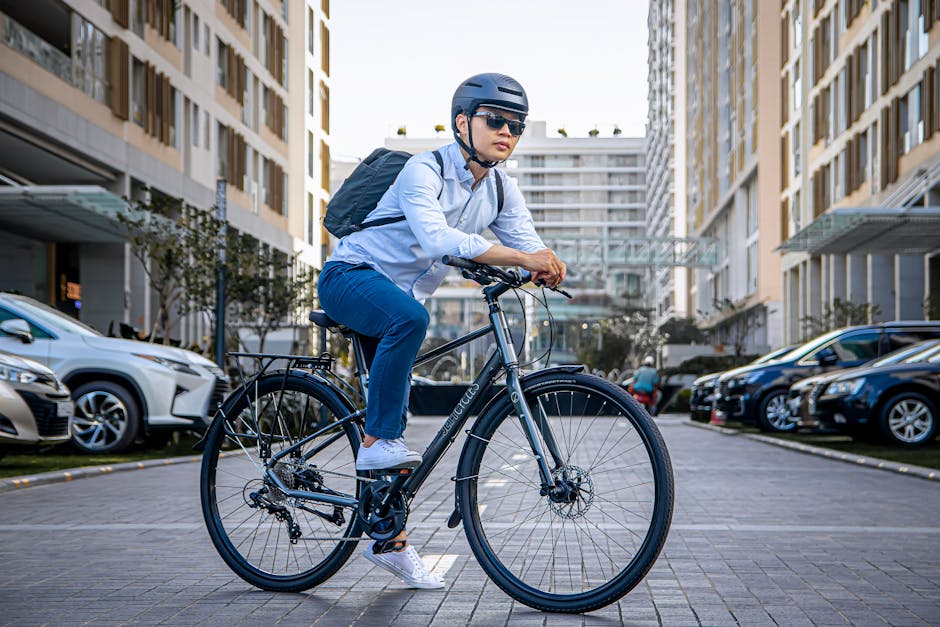
In urban environments, road surfaces vary widely—from smooth asphalt to potholed lanes, gravel patches, and wet crosswalks. Poor traction can lead to skidding, loss of control, or longer stopping distances, especially when carrying cargo or riding in variable weather. Electric bicycles with strong traction systems help riders maintain confidence and safety in these conditions.
Traction depends on several factors: tire type and width, tread pattern, frame geometry, weight distribution, and how the motor delivers power. Unlike traditional bikes, e-bikes add motor torque to the mix, which can increase the risk of wheel slip if not managed well. That’s why selecting a model with thoughtful engineering for grip and stability is essential.
Key Traction Features to Look For
- Wide, Puncture-Resistant Tires: Tires between 2.0 and 2.4 inches wide provide a larger contact patch with the road, improving grip. Look for models with reinforced casings to resist flats from urban debris.
- All-Weather Tread Patterns: Tires with siped or multi-directional treads channel water away and bite into loose surfaces. Examples include Schwalbe Energizer or Continental Contact Urban tires.
- Mid-Drive Motors with Smooth Power Delivery: Mid-drive motors (like those from Bosch or Shimano) apply power through the drivetrain, offering better balance and traction than hub motors, especially on inclines.
- Torque Sensors Over Cadence Sensors: Torque sensors detect how hard you’re pedaling and adjust motor output accordingly, resulting in more natural acceleration and less wheel spin.
- Frame Geometry and Weight Distribution: A low center of gravity and balanced weight between front and rear wheels enhance stability during turns and stops.
Top Electric Bicycles for City Traction and Comfort
Not all e-bikes are built equally for urban terrain. Below are several models known for their reliable traction, practical design, and real-world performance on city streets.
1. Rad Power Bikes RadCity 5 Plus
The RadCity 5 Plus stands out for its combination of affordability, durability, and city-ready features. It comes equipped with 27.5″ x 2.4″ puncture-resistant tires and a front suspension fork, absorbing shocks from potholes and curbs. Its rear-hub motor delivers 750W of peak power, while a torque sensor ensures smooth acceleration. The step-through frame makes mounting easy, and the integrated rear rack supports up to 55 lbs—ideal for carrying groceries or a change of clothes.
With hydraulic disc brakes and a 48V battery offering up to 70 miles of range (depending on assist level), this model handles stop-and-go traffic with confidence. The upright riding position improves visibility in traffic, and the LED headlight and brake-activated taillight enhance safety at night.
2. Trek Allant+ 7S
Designed for serious commuters, the Trek Allant+ 7S features a Bosch Performance Line motor with a torque sensor and a 500Wh battery. Its 27.5″ x 2.4″ tires with reflective sidewalls increase visibility and grip in low-light conditions. The frame includes internal cable routing and a built-in rear rack, giving it a clean, streamlined look.
What sets this model apart is its balanced weight distribution and responsive handling. The Bosch motor delivers power progressively, minimizing wheel slip on wet or uneven surfaces. Trek also offers a range of accessories, including fenders and lights, making it a complete package for daily use.
3. Specialized Turbo Vado SL 4.0
The Turbo Vado SL 4.0 is a lightweight option (just 33 lbs) that doesn’t sacrifice traction. It uses Specialized’s SL 1.1 motor, which provides 240% assist with minimal drag when the motor is off. The bike features 700c x 38mm tires with a semi-slick center and textured shoulders—ideal for smooth pavement and light gravel.
Despite its lighter build, the Vado SL maintains excellent stability thanks to its low center of gravity and ergonomic frame design. The integrated lighting system and compatibility with a smartphone app for ride tracking add convenience. This model is particularly well-suited for riders who want a nimble, efficient bike for longer commutes.
4. Gazelle Medeo T10 HMB
The Gazelle Medeo T10 HMB combines Dutch-inspired comfort with modern e-bike technology. It features 28″ x 2.0″ tires with a smooth center tread and shoulder grooves for cornering grip. The Bosch Active Line Plus motor is quiet and efficient, ideal for relaxed cruising through neighborhoods or business districts.
This model includes full fenders, a chain guard, and a built-in rear rack—practical touches for all-weather commuting. The upright seating position reduces strain on the back and shoulders, making it a great choice for riders who prioritize comfort over speed.
5. Aventon Aventure.2
For riders who want off-road capability without sacrificing city performance, the Aventon Aventure.2 is a versatile option. It comes with 26″ x 4.0″ fat tires that provide exceptional grip on wet roads, snow, or loose surfaces. The 750W rear-hub motor and torque sensor deliver strong, controlled power.
While slightly heavier than standard city e-bikes, the wide tires and front suspension make it stable on rough pavement. The integrated lights, fenders, and rear rack make it a practical choice for all-season commuting. It’s also one of the more affordable fat-tire e-bikes on the market.
How to Choose the Right E-Bike for Your City
With so many options available, narrowing down your choice requires matching the bike’s features to your specific needs. Consider the following steps:
- Assess Your Route: Map out your typical commute or leisure route. Note hills, road conditions, and weather patterns. If you ride in rain or snow, prioritize wider tires and hydraulic brakes.
- Determine Your Range Needs: Most city commutes are under 15 miles round-trip. A 400–500Wh battery is usually sufficient, but longer distances or hilly terrain may require a larger battery.
- Test Ride When Possible: Visit local bike shops or e-bike rental services to try different models. Pay attention to how the bike feels during acceleration, braking, and cornering.
- Check for Service and Warranty: Choose brands with local dealer support and at least a 2-year warranty on the motor and battery.
- Factor in Accessories: Fenders, racks, lights, and locks add convenience and safety. Some models include these standard, while others require separate purchases.
Maintenance Tips to Preserve Traction and Performance
Even the best e-bike requires regular upkeep to maintain optimal traction and safety. Neglecting maintenance can lead to reduced grip, longer stopping distances, and increased wear on components.
Tire Care
- Check tire pressure weekly. Underinflated tires reduce efficiency and increase the risk of pinch flats. Most city e-bikes recommend 40–65 PSI, but consult your manual for exact specs.
- Inspect tread depth and sidewalls for cracks or embedded debris. Replace tires when the tread is worn smooth or if you notice frequent punctures.
- Rotate tires if one shows significantly more wear than the other, especially if you frequently ride on rough surfaces.
Brake Maintenance
- Clean brake rotors with isopropyl alcohol to remove oil or grime that can reduce stopping power.
- Check brake pad thickness every few months. Replace pads when they’re less than 1mm thick.
- Test brake responsiveness before each ride. If the lever feels spongy or the bike doesn’t stop quickly, have it serviced.
Battery and Motor Care
- Store the battery at room temperature and avoid leaving it fully drained or fully charged for long periods.
- Keep the motor and drivetrain clean and lubricated. Use a bike-specific degreaser on the chain and a dry cloth on the motor casing.
- Avoid high-pressure water sprays when cleaning, as they can damage electrical components.
Safety Considerations for Urban E-Bike Riders
Safety goes beyond traction—it includes visibility, awareness, and proper gear. Even with the best bike, riding in traffic requires caution.
- Wear a Helmet: A properly fitted helmet can prevent serious injury in a fall or collision. Look for models with MIPS technology for added protection.
- Use Lights and Reflectors: Front and rear lights are essential for visibility, especially during dawn, dusk, or nighttime rides. Choose lights with daytime running modes.
- Signal Your Intentions: Use hand signals when turning or changing lanes. Many e-bikes now include integrated turn signals, but traditional gestures are still widely recognized.
- Stay Predictable: Avoid sudden movements and maintain a consistent line. Ride in bike lanes when available, and avoid weaving between parked cars.
- Be Aware of Road Hazards: Watch for potholes, manhole covers, and wet leaves, which can reduce traction unexpectedly.
Cost vs. Value: What to Expect
Electric bicycles vary widely in price, from under $1,000 to over $5,000. While budget models can be tempting, they often compromise on components like brakes, motors, and battery quality—factors that directly affect traction and safety.
For city commuting, a mid-range e-bike ($1,800–$3,500) typically offers the best balance of performance, durability, and features. These models usually include hydraulic disc brakes, quality tires, and reliable motors from reputable brands.
Higher-end models may offer longer range, lighter frames, or advanced connectivity, but they’re not always necessary for typical city use. Focus on value—what you get for your investment in terms of safety, comfort, and longevity.
Final Thoughts
Electric bicycles worth considering for commuting and leisure cycling combine practicality with performance, especially when traction on city streets is a priority. The right model enhances your daily ride with reliable grip, smooth handling, and confidence in all conditions. By focusing on tire quality, motor type, and overall build, you can find an e-bike that fits your lifestyle and keeps you moving safely through the urban landscape.
FAQ
What tire width is best for city e-bike traction?
Tires between 2.0 and 2.4 inches wide offer the best balance of grip, comfort, and efficiency for city streets. Wider tires (3.0″+) provide more traction but may reduce speed and increase rolling resistance.
Can I ride an e-bike in the rain?
Yes, most modern e-bikes are designed to handle wet conditions. Look for models with water-resistant components, fenders, and tires with good wet-weather tread. Always dry and inspect your bike after riding in heavy rain.
Do I need a special license to ride an e-bike in the city?
In most U.S. cities, Class 1 and Class 2 e-bikes (up to 20 mph) do not require a license, registration, or insurance. Class 3 e-bikes (up to 28 mph) may have age restrictions or helmet requirements. Check your local regulations for specifics.
