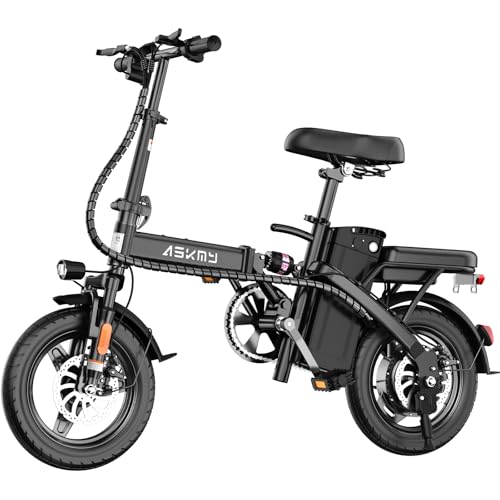


Electric Bicycles Worth Considering for Commuting and Leisure Cycling with a Focus on Comfort for City Streets Leave a comment
Electric Bicycles Worth Considering for Commuting and Leisure Cycling with a Focus on Comfort for City Streets
If you’re looking for a practical, eco-friendly way to navigate city streets—whether for daily commutes or weekend rides—electric bicycles worth considering combine pedal-assist technology with ergonomic design to deliver a smooth, comfortable experience. Unlike traditional bikes, e-bikes reduce physical strain with motor support, making them ideal for longer distances, hilly terrain, or riders who want to arrive at their destination without breaking a sweat. Modern models prioritize comfort through features like suspension systems, upright seating, and shock-absorbing frames, all tailored for the stop-and-go rhythm of urban environments. This guide explores top e-bike options, key comfort features, and practical tips to help you choose the right model for your city riding needs.
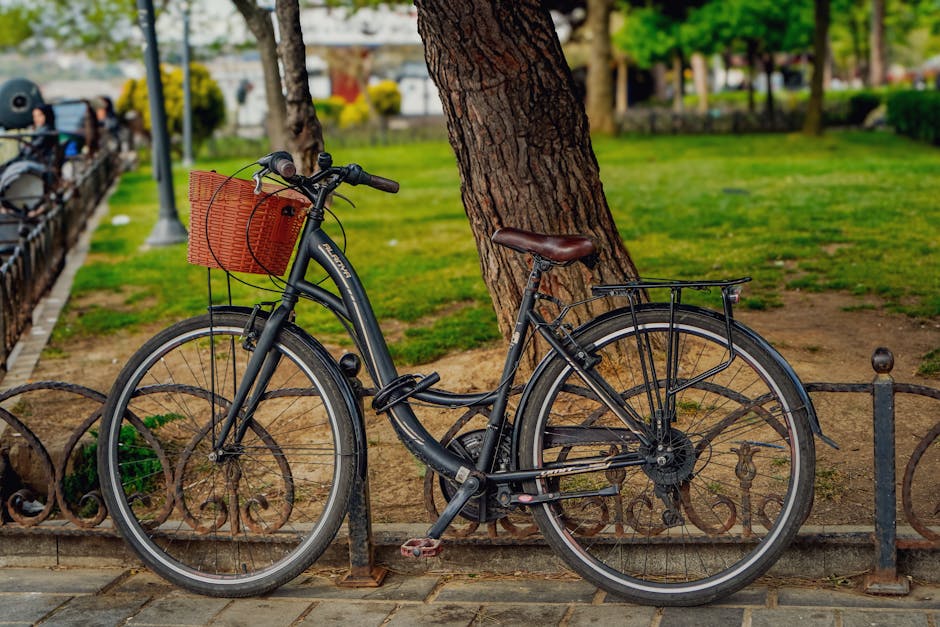
Why Comfort Matters for City E-Bike Riding
City streets present unique challenges: potholes, curbs, traffic stops, and uneven pavement can quickly turn a pleasant ride into a jarring experience. Comfort isn’t just about luxury—it’s about ride quality, safety, and long-term usability. An uncomfortable bike leads to fatigue, soreness, and reduced motivation to ride regularly. For commuters, this can mean arriving at work stiff or distracted. For leisure riders, it can cut short what should be an enjoyable outing.
Electric bicycles designed with comfort in mind address these issues through thoughtful engineering. Features like wider tires, front suspension, and adjustable handlebars help absorb shocks and maintain stability. Additionally, step-through frames make mounting and dismounting easier, especially when wearing work clothes or carrying a bag. When evaluating e-bikes, prioritize models that balance power with ride smoothness, particularly if you’ll be covering several miles daily or navigating mixed terrain.
Key Comfort Features in City E-Bikes
Not all e-bikes are created equal when it comes to comfort. Here are the most important design elements to look for:
- Suspension Systems: Front suspension forks absorb bumps from potholes and cracks. Some models include rear suspension for added cushioning, though this adds weight. For city use, a quality front suspension is usually sufficient.
- Tire Width and Type: Wider tires (1.75” to 2.3”) with lower pressure provide better grip and shock absorption. Look for puncture-resistant urban tires with reflective sidewalls for added safety.
- Frame Geometry: Upright riding positions reduce strain on the back, neck, and wrists. Step-through frames are especially helpful for riders with limited mobility or those wearing skirts or suits.
- Saddle Design: Gel-padded or ergonomic saddles with cutouts reduce pressure points. Many brands offer adjustable saddles to fine-tire fit.
- Handlebar and Stem Adjustability: Adjustable stems and swept-back handlebars allow customization for a relaxed arm position.
- Weight Distribution: Mid-drive motors (located near the pedals) offer better balance than hub motors, improving handling and reducing wobble at higher speeds.
Top Electric Bicycles for City Comfort in 2024
Based on ride quality, build, and user feedback, these electric bicycles stand out for comfort and urban practicality:
1. Rad Power Bikes RadCity 5 Plus
The RadCity 5 Plus is a favorite among commuters for its smooth ride and thoughtful design. It features a front suspension fork, 27.5” x 2.4” puncture-resistant tires, and an adjustable stem for a customizable fit. The step-through frame makes it accessible, while the 7-speed drivetrain and 750W rear hub motor handle hills with ease. Integrated lights, fenders, and a rear rack add practicality for daily use. With a range of up to 50 miles per charge, it’s ideal for city dwellers covering moderate distances.
2. Trek Allant+ 7S
Trek’s Allant+ 7S combines premium components with a focus on rider comfort. It uses a Bosch Performance Line motor with smooth, natural pedal assist and a suspension seatpost to dampen vibrations. The upright geometry and ergonomic grips reduce fatigue on longer rides. The bike includes a built-in display, integrated lighting, and compatibility with Trek’s accessory ecosystem. While pricier, it’s a solid investment for those prioritizing long-term comfort and reliability.
3. Cannondale Adventure Neo Allroad
Designed for mixed urban and light trail use, the Adventure Neo Allroad features a lightweight aluminum frame, front suspension, and 27.5” x 2.2” tires for stability. The upright riding position and wide saddle make it comfortable for extended periods. A 250W rear hub motor provides quiet assistance, and the bike includes mudguards, lights, and a rear rack. It’s a versatile option for riders who want one bike for both commuting and weekend exploration.
4. Aventon Level.2
The Aventon Level.2 offers excellent value with comfort-focused features at a mid-range price. It includes a suspension seatpost, 27.5” x 2.2” tires, and an adjustable stem. The step-through frame and upright geometry make it easy to ride in everyday clothing. With a 500W motor and up to 60 miles of range, it’s well-suited for city commutes and leisure rides alike. Aventon also provides a user-friendly app for tracking rides and adjusting assist levels.
5. Gazelle Medeo T10 HMB
A Dutch-style e-bike built for comfort and elegance, the Gazelle Medeo T10 HMB features a fully integrated battery, Bosch Active Line motor, and a suspension fork. The frame is designed for a relaxed, upright posture, and the bike includes full fenders, a rear rack, and built-in lights. The belt drive system requires minimal maintenance and runs quietly—ideal for daily city use. While heavier than some models, its stability and smooth ride make it a top choice for comfort-focused riders.
How to Choose the Right E-Bike for Your City Needs
With so many options available, selecting the right electric bicycle involves more than just comparing specs. Consider these factors to ensure a comfortable, practical fit:
Assess Your Typical Route
Map out your daily commute or common riding paths. Note the distance, elevation changes, and road conditions. If you frequently encounter hills, a mid-drive motor or higher-wattage hub motor will provide better assistance. For flat, smooth roads, a lighter bike with basic suspension may suffice.
Test Ride Before Buying
Whenever possible, test ride multiple models. Pay attention to how the bike feels over bumps, how responsive the motor is, and whether the riding position suits your body. A comfortable bike should feel stable, not wobbly, and allow you to sit upright without leaning too far forward.
Consider Weight and Portability
E-bikes are heavier than traditional bikes due to motors and batteries. If you need to carry your bike upstairs or store it in a small apartment, look for models under 50 pounds. Some brands offer folding e-bikes, though these often sacrifice comfort for portability.
Check Local Regulations
E-bike laws vary by city and country. In many places, Class 1 and Class 2 e-bikes (with pedal assist up to 20 mph) are allowed on bike paths, while Class 3 (up to 28 mph) may have restrictions. Ensure your chosen model complies with local rules to avoid fines or riding limitations.
Factor in Maintenance and Support
Choose a brand with a strong warranty and local dealer support. Mid-drive motors and belt drives typically require less maintenance than chain-driven hub motors. Regular servicing—like brake checks and tire inspections—will keep your ride smooth and safe.
Accessories That Enhance Comfort and Convenience
The right accessories can significantly improve your e-bike experience in the city:
- Panniers or Rear Baskets: Carry groceries, laptops, or work clothes without straining your back.
- Phone Mount and USB Charger: Keep navigation accessible and your phone powered during long rides.
- Comfort Grips and Gloves: Reduce hand fatigue and improve control, especially in cold weather.
- Mirror Attachments: Increase awareness of traffic behind you without turning your head.
- Locking Systems: Invest in a high-quality U-lock or folding lock to deter theft in urban areas.
Many e-bikes come with these features pre-installed or offer compatible add-ons. Prioritize accessories that match your daily routine—like a waterproof bag for rainy commutes or a bright headlight for early morning rides.
Common Misconceptions About E-Bike Comfort
Despite their growing popularity, some myths about e-bike comfort persist:
“E-bikes are too heavy to handle.” While e-bikes are heavier than standard bikes, modern designs distribute weight low and centered, improving balance. Most riders adapt quickly, especially with motor assistance during starts and stops.
“You don’t get any exercise on an e-bike.” E-bikes still require pedaling—the motor simply reduces effort. Riders can adjust assist levels to increase or decrease workout intensity. Many users report cycling more frequently and covering longer distances than with traditional bikes.
“Comfort features make e-bikes bulky and slow.” Advances in materials and motor efficiency mean today’s comfort-focused e-bikes are lighter and more responsive than ever. Features like suspension and wide tires enhance control without sacrificing speed.
Long-Term Benefits of Choosing a Comfort-Oriented E-Bike
Investing in an electric bicycle that prioritizes comfort pays off in multiple ways. Commuters arrive at work more relaxed and alert, reducing stress and improving productivity. Leisure riders enjoy longer, more enjoyable outings without discomfort. Over time, regular cycling contributes to better cardiovascular health, reduced carbon emissions, and lower transportation costs.
Moreover, a comfortable bike encourages consistent use. Riders are more likely to choose their e-bike over a car for short trips, contributing to less traffic congestion and improved air quality in cities. For many, the e-bike becomes a primary mode of transportation—not just a weekend toy.
Final Thoughts: Making the Right Choice
When searching for electric bicycles worth considering for commuting and leisure cycling with a focus on comfort for city streets, prioritize models that match your daily needs and riding style. Look beyond motor power and battery range—consider frame design, suspension, tire quality, and adjustability. Test rides, user reviews, and dealer support are invaluable in making an informed decision.
Comfort isn’t a luxury; it’s a necessity for sustainable, enjoyable urban cycling. Whether you’re navigating downtown traffic or exploring neighborhood bike paths, the right e-bike can transform your experience. With the right model, you’ll ride farther, feel better, and enjoy every mile.
FAQ
1. Are electric bicycles safe for daily city commuting?
Yes, when equipped with proper lighting, reflectors, and brakes, e-bikes are safe for city use. Always wear a helmet, follow traffic laws, and use bike lanes when available. Models with integrated lights and responsive disc brakes enhance safety in urban environments.
2. How far can I ride on a single charge?
Most city e-bikes offer a range of 30 to 60 miles per charge, depending on terrain, rider weight, and assist level. Using lower assist settings and maintaining proper tire pressure can extend battery life.
3. Can I ride an e-bike in the rain?
Yes, most e-bikes are designed to handle light to moderate rain. However, avoid submerging the battery or motor in water. After riding in wet conditions, dry the bike and check electrical connections to prevent corrosion.
