
Electric Bicycles Overview for Choosing the Right Type with Confidence: A Setup Guide for New Cyclists Leave a comment
Electric Bicycles Overview for Choosing the Right Type with Confidence: A Setup Guide for New Cyclists
Choosing the right electric bicycle can feel overwhelming, especially for new cyclists. This electric bicycles overview for choosing the right type with confidence breaks down the essentials—from motor types and battery range to frame styles and riding conditions—so you can make an informed decision. Whether you’re commuting, cruising trails, or just getting back into cycling, understanding your options helps you pick a bike that fits your lifestyle, budget, and physical needs. With the right setup, an e-bike becomes a reliable, enjoyable, and sustainable way to get around.
Why New Cyclists Should Consider an Electric Bicycle
Electric bicycles offer a practical entry point for people new to cycling or returning after a long break. Unlike traditional bikes, e-bikes provide pedal assistance, reducing strain on joints and making hills and longer distances manageable. This support lowers the barrier to regular riding, helping build confidence and endurance over time.
For commuters, e-bikes cut travel time and eliminate sweat—ideal for office commutes or school runs. Recreational riders enjoy exploring farther without exhaustion. Even errands become easier with cargo-friendly models. Importantly, e-bikes promote consistent activity without requiring high fitness levels from day one.
Key Benefits for Beginners
- Reduced physical strain: Motor assistance makes pedaling easier, especially on inclines or headwinds.
- Increased range: Ride farther than you could on a regular bike without fatigue.
- Flexible intensity: Adjust assist levels to match your energy or fitness goals.
- Eco-friendly transport: Lower carbon footprint compared to cars or public transit.
- Cost-effective: Save on fuel, parking, and transit passes over time.
Understanding Electric Bicycle Types
Not all e-bikes are built the same. Different designs serve different purposes. Matching the bike type to your intended use is critical for satisfaction and safety.
City and Commuter E-Bikes
Designed for paved roads and urban environments, these bikes prioritize comfort, practicality, and efficiency. They often feature upright handlebars, fenders, integrated lights, and rear racks. Models like the Rad Power Bikes RadCity or Trek Verve+ 2 include step-through frames for easy mounting and dismounting—ideal for riders wearing work clothes or carrying bags.
Most commuter e-bikes use mid-drive or hub motors with moderate power (250–500W) and offer pedal-assist up to 20 mph (Class 1 or 2). Battery ranges typically span 30–70 miles, depending on terrain and assist level.
Cargo E-Bikes
Built to carry heavy loads—kids, groceries, or work gear—cargo e-bikes have reinforced frames, long wheelbases, and large cargo areas. Front-loading models like the Yuba Mundo or Riese & Müller Load 75 offer stability and visibility, while rear rack systems suit lighter loads.
These bikes often use high-torque motors and larger batteries (up to 750W and 60+ mile range) to handle added weight. Ideal for families or urban delivery riders, they require practice to maneuver at low speeds but excel in stop-and-go traffic.
Mountain E-Bikes (E-MTBs)
Built for off-road trails, e-MTBs feature rugged suspension, knobby tires, and powerful motors (usually 250–750W). They’re designed to handle steep climbs, rocky paths, and technical descents. Brands like Specialized Turbo Levo or Trek Powerfly offer full-suspension models with trail-tuned geometry.
Note: E-MTBs are heavier and more complex than city bikes. They’re best suited for riders who plan to ride trails regularly. Beginners should start on easier paths to build skills before tackling advanced terrain.
Folding E-Bikes
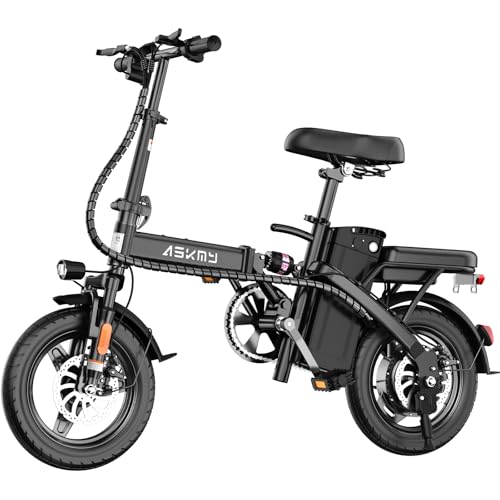
Compact and portable, folding e-bikes like the Brompton Electric or Tern Vektron are perfect for mixed-mode commuting—combining biking with trains or buses. They fold quickly for storage in small apartments or offices.
Trade-offs include smaller wheels (less stable at speed) and shorter range (20–45 miles). Still, their convenience makes them a top choice for urban dwellers with limited space.
Fat Tire E-Bikes
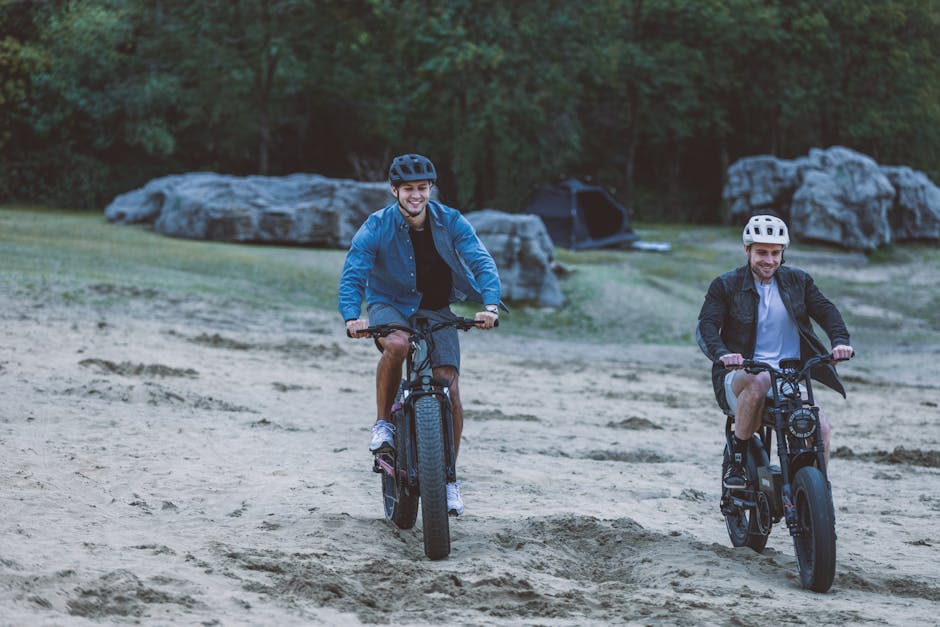
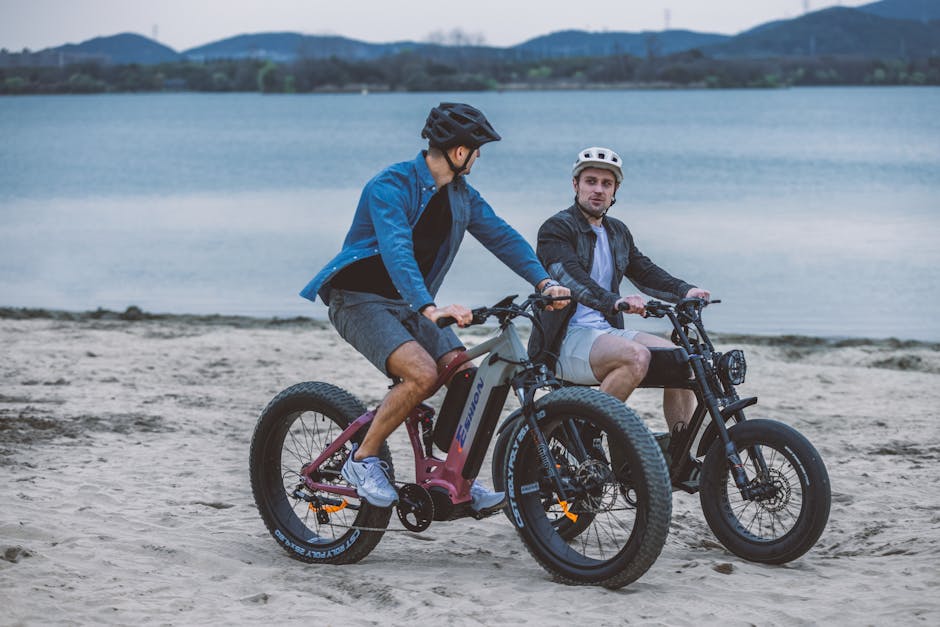
With wide tires (3.8–5 inches), these bikes grip sand, snow, and loose gravel. Models like the RadRover 6 Plus or Juiced Ripcurrent offer stability and shock absorption, making them versatile for beach rides or winter commuting.
Fat tires add weight and rolling resistance, reducing range. Best for riders who frequently encounter soft or uneven surfaces.
How Motors and Batteries Affect Your Ride
The motor and battery are the heart of any e-bike. Understanding how they work together helps you choose a model that matches your needs.
Motor Types: Hub vs. Mid-Drive
Hub motors are located in the front or rear wheel. They’re common, affordable, and reliable. Rear hub motors (like those on the Ancheer AN-EB003) provide direct power to the wheel, offering a natural feel. Front hubs can affect steering but are easier to install.
Mid-drive motors sit near the pedals and power the crank. They use the bike’s gears efficiently, offering better balance and performance on hills. Found on premium models like the Bosch-powered Gazelle Ultimate, they’re ideal for varied terrain but cost more.
Battery Range and Charging
Battery capacity is measured in watt-hours (Wh). A 400Wh battery typically delivers 30–50 miles, while 600Wh+ models can exceed 70 miles. Range depends on terrain, rider weight, assist level, and tire pressure.
Most batteries charge in 3–6 hours. Removable batteries allow charging indoors—convenient for apartment dwellers. Always use the manufacturer’s charger and avoid extreme temperatures during charging.
Pedal Assist vs. Throttle
Pedal assist (PAS) provides power only when you pedal, with multiple levels (e.g., Eco, Tour, Sport). It feels natural and conserves battery.
Throttle (like a motorcycle) lets you ride without pedaling. Common on Class 2 e-bikes, it’s useful for quick starts or steep hills. However, it drains the battery faster and isn’t legal everywhere.
New riders often benefit from pedal assist, as it encourages consistent pedaling and builds fitness.
Setting Up Your E-Bike for a Safe and Comfortable Ride
Even the best e-bike needs proper setup. A few adjustments can prevent discomfort, injury, and mechanical issues.
Step 1: Adjust the Saddle Height
Your leg should have a slight bend (about 25–30 degrees) when the pedal is at the lowest point. Too high causes rocking; too low strains knees. Use a quick-release lever or hex wrench to fine-tune.
Step 2: Set Handlebar Position
Upright handlebars reduce back strain for casual riders. Sportier positions (lower bars) improve aerodynamics but may feel aggressive. Adjust stem height or angle to match your comfort.
Step 3: Check Tire Pressure
Proper inflation improves range, handling, and puncture resistance. Check the sidewall for recommended PSI (usually 40–80 for city bikes, 20–35 for fat tires). Use a gauge—don’t guess.
Step 4: Test Brakes and Gears
Squeeze both brake levers. They should engage firmly without hitting the handlebar. For geared bikes, shift through all speeds to ensure smooth transitions. Visit a shop if adjustments are needed.
Step 5: Secure Loose Items
If using racks or panniers, ensure bags are balanced and straps are tight. Loose loads can affect steering and cause accidents.
Choosing the Right E-Bike: A Step-by-Step Decision Guide
Follow these steps to narrow down your options and choose with confidence.
- Define your primary use: Commuting, recreation, cargo, or off-road? Your answer determines the bike type.
- Measure your budget: Entry-level e-bikes start around $1,200; premium models exceed $5,000. Include accessories (helmet, lock, lights) in your total.
- Test ride at least three models: Feel the motor response, weight, and comfort. Many shops offer rentals or demo days.
- Check local regulations: Some areas restrict motor power, speed, or throttle use. Know your city’s rules.
- Consider maintenance: Mid-drive bikes need more service. Choose a brand with local dealer support if possible.
- Read real user reviews: Look for feedback on reliability, battery life, and customer service—not just specs.
Common Mistakes New E-Bike Buyers Make
Avoid these pitfalls to ensure a smooth start.
- Ignoring fit: A bike that doesn’t suit your body leads to discomfort. Prioritize frame size and ergonomics over flashy features.
- Overestimating range: Manufacturers often quote ideal conditions. Plan for 60–70% of advertised range in real-world use.
- Skipping safety gear: A helmet, lights, and reflective clothing are essential. E-bikes are faster than regular bikes—visibility matters.
- Neglecting maintenance: Check brakes, tires, and chain monthly. A poorly maintained e-bike is unsafe and inefficient.
- Buying online without support: Assembly and tuning are critical. Choose retailers with service centers or detailed setup guides.
Accessories That Enhance Your E-Bike Experience
The right add-ons improve safety, convenience, and comfort.
- Helmet with MIPS: Protects against rotational impacts. Look for CPSC certification.
- U-lock or chain lock: Deters theft. Use it even for short stops.
- Front and rear lights: Required by law in many areas. Choose USB-rechargeable models with steady and flash modes.
- Panniers or baskets: Keep bags off your back and improve balance.
- Phone mount: For navigation, but avoid distractions while riding.
- Fenders and chain guard: Keep you clean in wet weather.
Final Tips for New E-Bike Riders
Start slow. Ride in low-traffic areas to get used to the bike’s weight and speed. Practice using assist levels and braking. Gradually increase distance and complexity.
Join local cycling groups or online forums to learn from experienced riders. Many cities offer free bike safety workshops.
Remember: an e-bike is a tool, not a magic solution. Regular use, proper setup, and maintenance determine your long-term satisfaction.
Electric Bicycles Overview for Choosing the Right Type with Confidence: Key Takeaways
This electric bicycles overview for choosing the right type with confidence emphasizes matching the bike to your lifestyle, understanding motor and battery basics, and setting up your ride for safety and comfort. Beginners benefit most from test rides, proper fit, and starting with pedal assist. Avoid common mistakes like ignoring range limits or skipping safety gear. With the right approach, your e-bike becomes a trusted companion for daily travel, fitness, and exploration.
FAQ
How far can I ride on a single charge?
Most e-bikes offer 30–70 miles per charge, depending on battery size (400–700Wh), terrain, rider weight, and assist level. Use Eco mode and pedal consistently to maximize range.
Do I need a license or insurance to ride an e-bike?
In most U.S. states and EU countries, Class 1 and 2 e-bikes (20 mph max) require no license or insurance. Class 3 (28 mph) may have age or helmet requirements. Always check local laws.
Can I ride an e-bike in the rain?
Yes, most e-bikes are weather-resistant. Avoid submerging the motor or battery. Dry the bike after wet rides and check electrical connections periodically.
Related keywords: Electric bicycles overview for choosing the right type with confidence with a focus on setup for new cyclists.
