

Electric Bicycles Guide to Performance, Charging, and Daily Usability with a Focus on Control for New Cyclists Leave a comment
Electric Bicycles Guide to Performance, Charging, and Daily Usability with a Focus on Control for New Cyclists
If you’re new to cycling and considering an electric bicycle, understanding how performance, charging, and daily usability work together is essential—especially when it comes to maintaining control. An electric bicycles guide to performance, charging, and daily usability with a focus on control for new cyclists should cover real-world expectations, not just specs. This article walks you through what matters most: how e-bikes handle, how long the battery lasts, how to charge safely, and how to ride confidently in everyday conditions. Whether you’re commuting, running errands, or just exploring, knowing what to expect helps you choose wisely and ride safely.
Understanding E-Bike Performance for Beginners
Performance on an electric bicycle isn’t just about speed—it’s about how the motor responds, how the bike handles, and how it supports your effort. Unlike a regular bike, an e-bike amplifies your pedaling with motor assistance, but that power must feel predictable and controllable, especially for new riders.
Motor Types and Their Impact on Control
Most e-bikes use either hub motors (built into the front or rear wheel) or mid-drive motors (located near the pedals). Hub motors are common on entry-level models and offer smooth, steady power. Mid-drive motors, found on higher-end bikes, deliver power through the drivetrain, which can improve balance and handling, especially on hills.
For new cyclists, a rear hub motor often feels more intuitive—it provides a gentle push that matches your pedaling rhythm. Front hub motors can feel twitchy in wet conditions because they affect steering directly. Mid-drives offer better weight distribution but may require more finesse when shifting gears under power.
Pedal Assist vs. Throttle: What’s the Difference?
Pedal assist (PAS) means the motor only engages when you pedal. Most e-bikes offer multiple assist levels—Eco, Tour, Sport, etc.—so you can adjust how much help you get. Throttle mode lets you ride without pedaling, like a scooter. While convenient, throttle-only riding can reduce range and make it harder to maintain control at higher speeds.
For new riders, starting in low pedal assist settings helps build confidence. It encourages consistent pedaling, improves balance, and extends battery life. Throttle should be used sparingly—think of it as a backup for starting from a stop or climbing a steep curb.
Speed and Range: Real-World Expectations
Class 1 and Class 2 e-bikes in the U.S. are limited to 20 mph motor assistance. Class 3 models go up to 28 mph but may require a helmet and have local restrictions. Most commuters rarely exceed 15–18 mph, so the legal limit isn’t usually a bottleneck.
Battery range varies widely—anywhere from 20 to 100+ miles—depending on battery capacity (measured in watt-hours, or Wh), terrain, rider weight, assist level, and weather. A 500Wh battery on flat ground with light assist might give you 60 miles. The same battery climbing hills on high assist could drop to 25 miles.
Example: A 160-pound rider using a 500Wh e-bike on flat city streets in Eco mode can expect 50–60 miles. Add hills, headwinds, or frequent stops, and that drops to 35–40 miles.
Charging Your E-Bike: Practical Tips for Daily Use
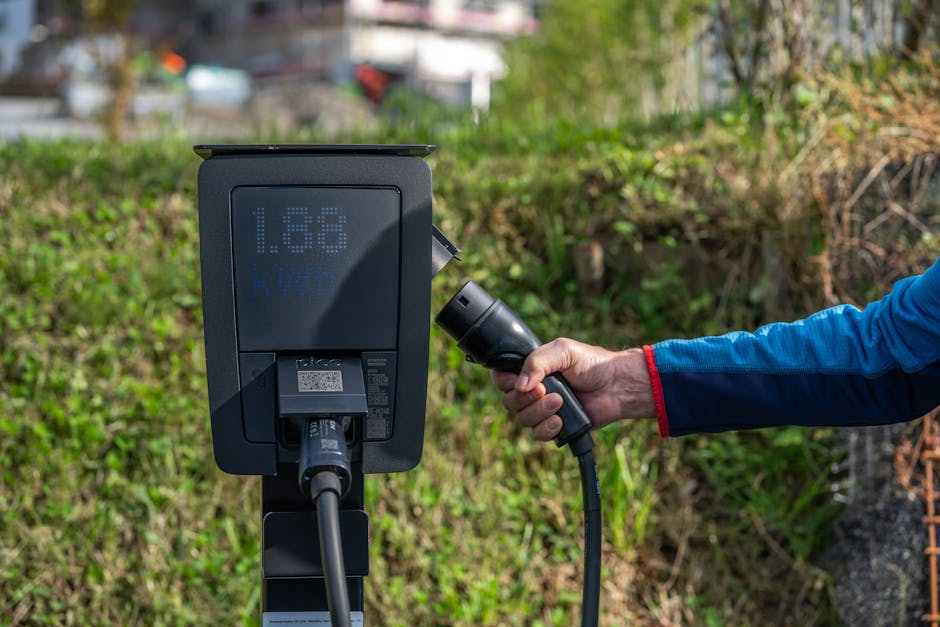
Charging is simple, but doing it right ensures safety and longevity. Most e-bikes use lithium-ion batteries, which are reliable but require basic care.
How Long Does It Take to Charge?
A typical 500Wh battery with a standard 2A charger takes 4–6 hours to go from empty to full. Faster 4A chargers can cut that to 2–3 hours but may generate more heat. Avoid ultra-fast chargers unless recommended by the manufacturer—they can degrade battery life over time.
Best Practices for Safe Charging
- Charge in a cool, dry place. Avoid direct sunlight, garages in summer, or freezing sheds.
- Don’t leave the battery on the charger overnight. Modern chargers usually stop when full, but it’s safer to unplug once charged.
- Use only the manufacturer’s charger. Third-party chargers may not match voltage or current specs, risking damage or fire.
- Store batteries at 30–60% charge if not used for weeks. Fully charged or fully depleted batteries degrade faster in storage.
Can You Charge While Riding?
No. Unlike electric cars, e-bikes don’t regenerate power while braking or coasting in any meaningful way. Some high-end models have regenerative braking, but the energy recovered is minimal—less than 5% of total capacity. Focus on efficient riding and proper charging instead.
Daily Usability: Making the E-Bike Work for Your Routine
An e-bike should fit into your life, not complicate it. For new cyclists, usability means ease of starting, stopping, carrying gear, and parking.
Starting and Stopping with Confidence
Many new riders worry about sudden acceleration. To avoid surprises:
- Start with the bike in the lowest assist level.
- Pedal gently before the motor engages—most systems have a slight delay.
- Use both brakes evenly. E-bikes are heavier, so stopping takes longer. Practice emergency stops in a safe area.
- Look ahead and anticipate stops. Regenerative braking isn’t strong, so rely on mechanical brakes.
Carrying Gear and Passengers
Most e-bikes support rear racks (up to 25–50 lbs) and front baskets. Panniers are more stable than backpacks for commuting. Some models allow child seats or trailers, but check the manufacturer’s weight limits. Never exceed the bike’s maximum load—typically 220–300 lbs including rider and cargo.
Parking and Security
E-bikes are attractive targets. Always use a high-quality U-lock through the frame and rear wheel. Remove the battery if possible—it’s valuable and easy to steal. Park in well-lit, busy areas. Consider a GPS tracker for high-end models.
Maintaining Control as a New Cyclist
Control is the foundation of safe e-bike riding. It’s not just about handling—it’s about awareness, balance, and adapting to conditions.
Handling Weight and Balance
E-bikes weigh 40–70 lbs, compared to 20–30 lbs for regular bikes. The extra weight affects turning, braking, and mounting. Practice lifting and balancing the bike before riding. When stopped, put a foot down early—don’t rely on slow-speed balance like on a lighter bike.
Riding in Different Conditions
Wet roads reduce traction, especially on rear-wheel-drive e-bikes. Brake earlier and avoid sharp turns. In wind, stay low and keep a firm grip. On gravel or dirt, reduce assist and shift your weight back to prevent skidding.
Using Lights and Signals
Most e-bikes come with built-in lights powered by the battery. Use them day and night. Add reflective tape and wear bright clothing. Signal turns clearly—many accidents happen because drivers don’t see cyclists intending to turn.
Choosing the Right E-Bike for Your Needs
With so many options, focus on fit, purpose, and reliability.
Step-Through vs. Step-Over Frames
Step-through frames (low or no top tube) are easier to mount and dismount—ideal for new riders, older adults, or those wearing skirts or suits. Step-over frames are stiffer and often lighter, but require more flexibility.
Battery Placement: Integrated vs. Removable
Removable batteries are easier to charge indoors and replace. Integrated batteries look sleeker and are harder to steal, but you must bring the whole bike inside to charge. For apartment dwellers, removable is usually better.
Test Riding Before You Buy
Always test ride. Pay attention to:
- How the motor engages—smooth or jerky?
- Braking distance from 15 mph
- Comfort of the seat and handlebars
- Ease of shifting gears (if applicable)
Common Mistakes New E-Bike Riders Make
Avoid these pitfalls to stay safe and get the most from your bike:
- Relying too much on throttle. It drains the battery fast and reduces control.
- Ignoring tire pressure. Underinflated tires increase rolling resistance and risk flats. Check weekly.
- Skipping maintenance. Brake pads wear faster on e-bikes. Get them checked every 6 months.
- Overestimating range. Always plan for 20–30% less than the advertised range.
- Not adjusting to weight. Practice slow-speed maneuvers in a parking lot.
Final Thoughts: Riding Smart from Day One
An electric bicycle can transform your daily routine—making commutes faster, errands easier, and exercise more enjoyable. But like any vehicle, it requires understanding and respect. Focus on control, charge wisely, and ride within your comfort zone. Start slow, build skill, and let the motor assist, not replace, your effort.
FAQ
How far can I really go on a single charge?
Most e-bikes deliver 30–60 miles per charge under normal conditions. Actual range depends on battery size, terrain, rider weight, assist level, and weather. Always assume 20–30% less than the manufacturer’s estimate for safety.
Is it safe to charge my e-bike battery overnight?
It’s not recommended. While modern chargers typically stop when full, leaving a battery plugged in for extended periods increases fire risk. Charge during the day and unplug once complete.
Can I ride my e-bike in the rain?
Yes, most e-bikes are designed for wet weather. However, avoid deep puddles, reduce speed, brake earlier, and dry the bike after riding to prevent corrosion.
