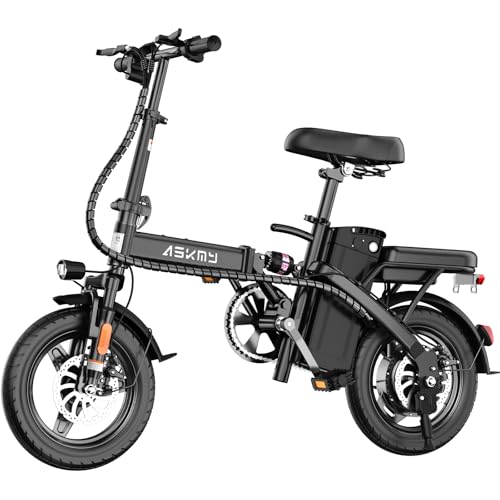


Electric Bicycles for New Cyclists Who Want Smooth and Practical Transport on City Streets Leave a comment
Electric Bicycles for New Cyclists Who Want Smooth and Practical Transport on City Streets
Electric bicycles offer a smart, efficient way to navigate city streets—especially for new cyclists who want a smooth ride without the physical strain of traditional biking. With pedal-assist motors, lightweight frames, and intuitive controls, e-bikes make commuting faster, less sweaty, and more enjoyable. Whether you’re replacing short car trips, avoiding crowded public transit, or simply exploring your neighborhood with ease, electric bicycles deliver reliable, practical transportation tailored to urban life. This guide walks you through what to look for, how they work, and why they’re ideal for everyday city use.

Why Choose an Electric Bicycle for City Commuting?
City streets present unique challenges: traffic congestion, stop-and-go riding, hills, and limited parking. Electric bicycles are designed to handle these conditions with ease. Unlike regular bikes, e-bikes provide motor assistance that reduces effort, helping riders maintain a steady pace even in heavy traffic or on inclines. For new cyclists, this means less fatigue, greater confidence, and a more consistent commute.
E-bikes also bridge the gap between cars and traditional bicycles. They’re faster than walking, more flexible than buses or trains, and far more affordable than car ownership. With an average range of 20–50 miles per charge, most models can handle daily commutes, errands, and leisure rides without needing a recharge every day.
Key Features to Look for in an Electric Bicycle
Not all e-bikes are created equal, especially when it comes to city riding. Here are the essential features to prioritize:
- Pedal-assist levels: Look for at least three levels of assistance. This allows you to adjust power based on terrain, traffic, or fatigue.
- Motor placement: Hub motors (in the front or rear wheel) are common and affordable. Mid-drive motors offer better balance and hill-climbing power but cost more.
- Battery life and charging time: Aim for a battery that lasts 30+ miles on moderate assist. Most take 3–6 hours to fully charge.
- Frame style: Step-through frames are easier to mount and dismount, ideal for casual riders or those wearing work clothes.
- Tires: Wider tires (1.75” to 2.2”) provide better stability and comfort on uneven pavement.
- Brakes: Disc brakes (mechanical or hydraulic) offer reliable stopping power in wet or stop-and-go conditions.
Understanding Motor Types and Power
E-bike motors are measured in watts (W), with most city models ranging from 250W to 750W. In the U.S., e-bikes are legally limited to 750W and a top assisted speed of 20 mph. Lower-wattage motors (250W–500W) are sufficient for flat urban areas and lighter riders. Higher-wattage motors help with hills and heavier loads but may reduce battery life.
Mid-drive motors, found on pricier models, sit near the pedals and use the bike’s gears efficiently. They’re better for varied terrain but require more maintenance. Hub motors are simpler, quieter, and often more affordable—ideal for smooth city streets.
Battery Basics: Range, Charging, and Care
The battery is the heart of your e-bike. Most use lithium-ion cells, similar to those in laptops or smartphones. Key considerations include:
- Capacity (measured in watt-hours or Wh): A 400Wh battery typically provides 20–40 miles of range, depending on assist level and terrain.
- Removability: Removable batteries make charging convenient—especially if you can’t bring the whole bike indoors.
- Charging habits: Avoid draining the battery completely. Charging when it reaches 20–30% helps prolong lifespan.
- Weather protection: Store and charge in dry, moderate temperatures. Cold weather temporarily reduces range.
For city commuters, a 400Wh to 500Wh battery is usually sufficient. If your commute exceeds 15 miles one way, consider a model with a higher-capacity battery or the option to carry a spare.
Top Considerations for New Cyclists
Starting with an e-bike is easier than many expect, but a few practical steps can make the transition smoother:
Start with a Test Ride
Visit a local bike shop and test ride at least two or three models. Pay attention to how the motor engages, the weight of the bike, and how it handles at low speeds. A comfortable fit and intuitive controls make a big difference, especially for beginners.
Learn the Controls
Most e-bikes have a display showing speed, battery level, and assist mode. Some include throttle-only modes (not legal in all areas), while others are pedal-assist only. Make sure you understand how to switch modes and monitor your battery during rides.
Adjust to City Riding
E-bikes are heavier than regular bikes—typically 40–60 pounds—so maneuvering at low speeds or parking can feel different at first. Practice in a quiet area before hitting busy streets. Use bike lanes when available, signal turns, and stay visible with lights and reflective gear.
Comparing E-Bikes to Other Urban Transport Options
| Transport Mode | Avg. Speed (mph) | Cost per Mile | Parking Ease | Weather Dependent |
|---|---|---|---|---|
| Electric Bicycle | 12–18 | $0.05–$0.10 | Easy (bike racks) | Moderate |
| Car | 15–25 (in traffic) | $0.50–$0.70 | Difficult (cost, space) | Low |
| Public Transit | 8–12 | $0.20–$0.40 | N/A | Low |
| Walking | 3–4 | $0.00 | N/A | High |
Electric bicycles strike a balance between speed, cost, and convenience. They’re faster than walking, cheaper than driving, and more flexible than transit—making them ideal for trips under 10 miles.
Recommended Models for New City Cyclists
While preferences vary, these e-bikes are well-suited for beginners focused on smooth, efficient city transport:
- Rad Power Bikes RadCity 5 Plus: A versatile commuter with a step-through option, 750W motor, and 45+ mile range. Great for hills and daily use.
- Trek Verve+ 2: Lightweight, comfortable, and equipped with a Bosch mid-drive motor. Ideal for riders who want a natural pedaling feel.
- Specialized Turbo Vado SL 4.0: A lighter e-bike with smart connectivity and smooth assist. Excellent for longer commutes and fitness-minded riders.
- Aventon Level.2: Affordable, reliable, and stylish. Features a rear hub motor and integrated lights for urban safety.
All of these models prioritize comfort, ease of use, and practical features like fenders, racks, and lights—key for city riding.
Safety Tips for Urban E-Bike Riders
Safety should be a top priority, especially for new cyclists. Follow these guidelines:
- Wear a helmet: Even if not legally required, it’s essential protection.
- Use lights and reflectors: Front and rear lights are crucial for visibility, especially at dawn, dusk, or night.
- Follow traffic rules: Ride with traffic, obey signals, and use hand signals when turning.
- Be predictable: Avoid sudden moves. Make eye contact with drivers at intersections.
- Maintain your bike: Check tire pressure, brakes, and chain regularly. A well-maintained e-bike is safer and more efficient.
Charging and Maintenance Made Simple
E-bikes require less maintenance than cars but more than regular bikes. Here’s what to keep in mind:
- Charge regularly: Don’t wait until the battery is dead. Partial charges are fine and better for battery health.
- Store properly: Keep the bike and battery in a dry, temperature-controlled space. Avoid extreme heat or cold.
- Lubricate the chain: Every 100–200 miles, clean and lubricate the chain to ensure smooth operation.
- Check tire pressure: Underinflated tires reduce efficiency and increase puncture risk. Check weekly.
- Service annually: Have a professional inspect the motor, battery connections, and brakes once a year.
Cost and Long-Term Value
Electric bicycles range from $1,000 to $5,000+, with most quality city models falling between $1,500 and $3,000. While the upfront cost is higher than a standard bike, the long-term savings are significant:
- No fuel, insurance, or parking fees
- Lower maintenance than cars
- Reduced public transit costs
- Potential tax incentives or employer commuter benefits in some regions
Over five years, an e-bike can save thousands compared to car ownership—even when factoring in electricity and occasional repairs.
Final Thoughts: Is an Electric Bicycle Right for You?
If you’re a new cyclist looking for a practical, efficient way to get around the city, an electric bicycle is a strong choice. They reduce physical strain, save time in traffic, and offer a sustainable alternative to cars. With the right model and a little practice, you’ll find that city streets become more accessible and enjoyable.
Focus on comfort, battery range, and safety features when choosing. Start with a test ride, learn the basics of operation, and gradually build confidence on urban roads. The right e-bike can transform your daily commute into a smooth, stress-free experience.
FAQ
How far can I ride on a single charge?
Most electric bicycles offer 20–50 miles per charge, depending on battery size, assist level, terrain, and rider weight. For city commuting under 15 miles round-trip, a single charge is usually sufficient.
Do I need a license or registration to ride an e-bike?
In most U.S. states, Class 1 and Class 2 e-bikes (pedal-assist up to 20 mph) do not require a license, registration, or insurance. Class 3 (up to 28 mph) may have age or helmet requirements. Always check local laws.
Can I ride an e-bike in the rain?
Yes, most e-bikes are designed to handle light to moderate rain. However, avoid submerging the battery or motor, and dry the bike after riding in wet conditions to prevent corrosion.
Related keywords: Electric bicycles for new cyclists who want smooth and practical transport with a focus on efficiency for city streets.
