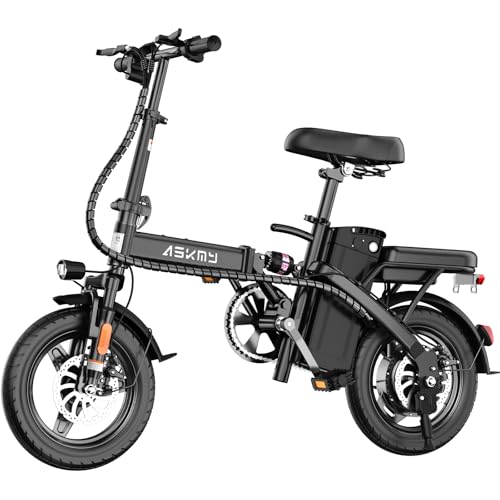


Electric Bicycles for Family Riders Who Want Smooth and Practical Transport with a Focus on Range for New Cyclists Leave a comment
Electric Bicycles for Family Riders Who Want Smooth and Practical Transport with a Focus on Range for New Cyclists
Choosing an electric bicycle for family use can feel overwhelming—especially if you’re new to cycling or need reliable, everyday transportation. You want something safe, easy to ride, and capable of covering the distance between school drop-offs, grocery runs, and weekend outings without constant recharging. Electric bicycles for family riders who want smooth and practical transport with a focus on range for new cyclists are designed precisely for this balance: comfort, usability, and dependable battery life. These e-bikes eliminate the guesswork, offering intuitive controls, stable handling, and enough range to make daily trips stress-free—even for riders with little prior experience.
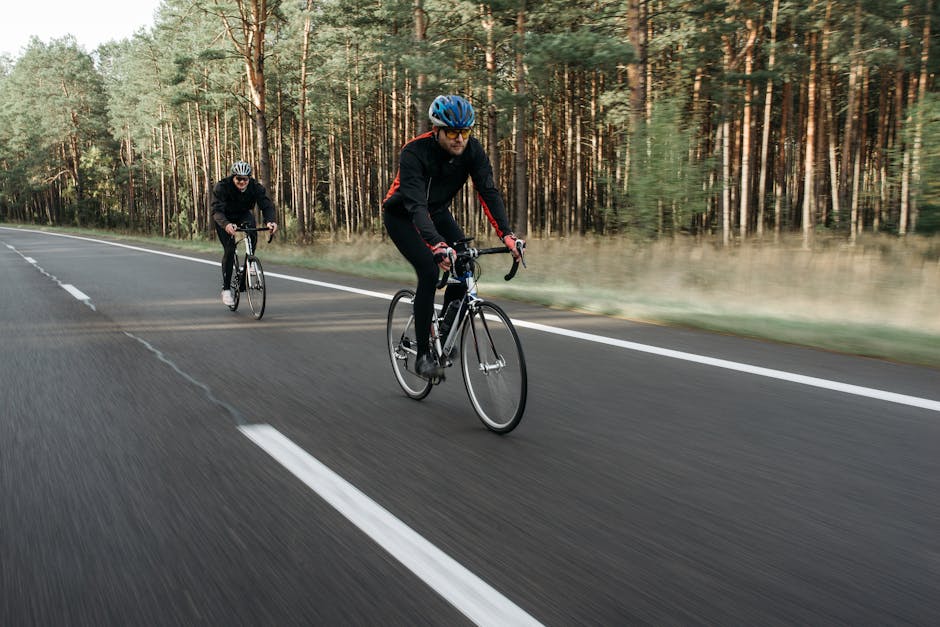
Why Range Matters Most for New Family Cyclists
For beginners, range anxiety is real. Unlike seasoned cyclists who might plan routes around charging stations or accept shorter trips, new riders often need confidence that their e-bike will get them where they’re going—and back—without running out of power. A longer range means fewer interruptions, less planning, and more freedom to explore.
Most family-oriented e-bikes today offer between 40 and 80 miles per charge, depending on terrain, rider weight, assist level, and weather. For context, a typical school run plus errands might cover 10–15 miles round trip. With a 50-mile range, you could complete three full days of commuting before needing to plug in. That kind of reliability transforms an e-bike from a novelty into a practical alternative to the car.
Key Features to Look for in a Family-Friendly E-Bike
Not all e-bikes are built for daily family use. When evaluating models, prioritize these essential features:
- Step-through frame: Makes mounting and dismounting easy for riders of all ages and abilities—especially helpful when carrying groceries or wearing casual clothes.
- Comfortable upright riding position: Reduces strain on the back and shoulders, ideal for longer rides or riders with joint sensitivity.
- Integrated lighting: Front and rear lights powered by the main battery ensure visibility during early mornings or evening returns.
- Rear rack and cargo options: Look for reinforced racks that support panniers or child seats—many family e-bikes support up to 40 lbs of cargo.
- Throttle and pedal assist modes: Throttle lets you ride without pedaling (great for hills or tired legs), while pedal assist provides a boost only when you pedal, extending range.
- Puncture-resistant tires: Wider tires (2.0” or more) with reflective sidewalls improve stability and reduce flats.
Battery Type and Real-World Range
Most modern e-bikes use lithium-ion batteries, which are lightweight, long-lasting, and recharge quickly. Battery capacity is measured in watt-hours (Wh)—the higher the number, the longer the potential range. A 400Wh battery might deliver 40–50 miles in eco mode on flat terrain, while a 625Wh battery could stretch to 70+ miles under similar conditions.
However, real-world range varies. Hills, headwinds, frequent stops, and carrying extra weight (like a child or groceries) can reduce range by 20–30%. Always check manufacturer estimates against user reviews for realistic expectations.
Top E-Bike Models for Families and New Riders
While the market is crowded, a few models consistently stand out for their blend of range, comfort, and ease of use:
Rad Power Bikes RadCity 5 Plus
This popular model offers a 672Wh battery, delivering up to 60 miles of range. Its step-through frame, integrated lights, and rear rack make it ideal for errands. The upright geometry and suspension seatpost absorb bumps well, and the intuitive display shows battery level, speed, and assist mode at a glance. It’s also one of the few e-bikes under $2,000 that includes fenders and a chain guard—small details that matter for daily use.
Trek Verve+ 2 Lowstep
Trek’s Verve+ 2 features a Bosch Active Line motor and a 500Wh battery, providing smooth, quiet assistance and up to 70 miles of range. The lowstep frame is accessible for shorter riders or those with limited mobility. Trek’s reputation for durability and dealer support adds peace of mind, especially for new buyers concerned about maintenance.
Specialized Turbo Vado SL 4.0
A lighter option at just 43 lbs, the Vado SL uses Specialized’s SL motor system for efficient power delivery. With a 710Wh battery (using the optional Range Extender), it can reach nearly 90 miles—ideal for longer commutes or weekend adventures. Its sleek design and responsive handling appeal to riders who want performance without sacrificing practicality.
How to Maximize Your E-Bike’s Range
Even the best battery won’t last forever—but smart habits can significantly extend your ride time:
- Use lower assist levels on flat terrain: Eco or Tour modes consume far less power than Turbo or Sport.
- Maintain proper tire pressure: Underinflated tires increase rolling resistance, draining the battery faster. Check pressure weekly.
- Avoid extreme temperatures: Cold weather can reduce battery efficiency by up to 20%. Store and charge indoors when possible.
- Charge regularly, but not excessively: Lithium-ion batteries prefer partial charges. Avoid letting the battery drop to 0% frequently.
- Plan efficient routes: Use bike paths or flatter roads when possible to minimize energy use.
Safety Tips for New Family Cyclists
Safety should never be an afterthought—especially when riding with children or in traffic. Follow these guidelines:
- Always wear a helmet—adults and children alike.
- Use hand signals and obey traffic laws as if you were driving a car.
- Install a bell or horn for alerting pedestrians and other cyclists.
- Ensure all passengers (especially kids) are secured in approved child seats or trailers.
- Practice riding in a quiet area before venturing onto busy streets.
Many cities also offer free bike safety courses—worth attending if you’re new to urban cycling.
Maintenance Made Simple
E-bikes require slightly more upkeep than regular bikes, but it’s manageable with routine care:
- Clean the chain monthly: Use a degreaser and lubricant designed for e-bikes to prevent wear on the drivetrain.
- Check brake pads: E-bikes are heavier and faster—worn brakes compromise stopping power.
- Inspect electrical connections: Ensure the battery clicks securely into place and the display powers on consistently.
- Store indoors: Protect the battery and motor from rain, snow, and prolonged sun exposure.
Most manufacturers recommend a professional tune-up every 500–1,000 miles or annually.
Cost Considerations and Long-Term Value
Quality family e-bikes typically range from $1,500 to $3,500. While that’s a significant investment, consider the savings: no gas, minimal insurance, lower maintenance than a car, and reduced parking fees. Over five years, an e-bike can save thousands compared to car ownership—especially for short trips.
Some cities and states also offer rebates or tax credits for e-bike purchases. Check local programs—you might qualify for $200–$1,000 off.
Final Thoughts: Is an E-Bike Right for Your Family?
If you’re looking for a practical, eco-friendly way to get around town—with enough range to handle daily tasks without constant recharging—an electric bicycle could be the perfect fit. Electric bicycles for family riders who want smooth and practical transport with a focus on range for new cyclists combine accessibility, comfort, and reliability in a package that grows with your needs. Start with a test ride at a local dealer, prioritize models with strong warranties and service networks, and remember: the best e-bike is the one you’ll actually ride.
FAQ
How far can I really go on a single charge?
Most family e-bikes offer 40–80 miles per charge, but actual range depends on terrain, rider weight, cargo, and assist level. For daily errands under 20 miles round trip, a single charge is usually sufficient.
Are e-bikes safe for beginners?
Yes—especially models designed for comfort and stability. Look for step-through frames, wide tires, and intuitive controls. Always wear a helmet and practice in low-traffic areas first.
Can I ride an e-bike in the rain?
Most e-bikes are weather-resistant and can handle light rain, but avoid submerging the motor or battery. Dry the bike after wet rides and store it indoors to prolong component life.
