
Electric Bicycles Explained for Riders Comparing Features, Range, and Value with a Focus on Handling for City Streets Leave a comment
Electric Bicycles Explained for Riders Comparing Features, Range, and Value with a Focus on Handling for City Streets
Electric bicycles—commonly called e-bikes—are transforming urban commuting by blending pedal power with battery-assisted propulsion. Designed for efficiency and comfort, they offer a practical alternative to cars and public transit, especially on city streets where traffic, parking, and short-to-medium distances dominate. Electric bicycles explained for riders come down to three core factors: how well the bike handles in tight, stop-and-go environments, how far it can go on a single charge, and whether its price aligns with real-world utility. This guide breaks down those elements so you can choose an e-bike that fits your daily routine, not just your budget.
Why City Streets Demand Specific E-Bike Features
City riding is unlike trail or highway cycling. It involves frequent stops, sharp turns, curb navigation, and close proximity to pedestrians and vehicles. An e-bike that excels in these conditions prioritizes agility, responsive braking, and stable low-speed control. Heavy, long-wheelbase models built for speed or off-road use often feel unwieldy in dense urban settings. Conversely, lightweight frames with shorter wheelbases and upright geometry improve maneuverability at intersections and in bike lanes.
Another city-specific concern is theft risk. Many urban riders park e-bikes on sidewalks or in bike racks, so weight and portability matter. A bike that’s easy to carry upstairs or secure quickly reduces stress and increases practicality. Additionally, integrated lighting, fenders, and chain guards are not just conveniences—they’re necessities for safe, all-weather commuting.
Handling: The Make-or-Break Factor for Urban E-Bikes
Handling defines how confidently you ride through traffic, weave around obstacles, and stop safely. Three components most influence this:
- Frame geometry: Upright positioning improves visibility and control. Look for a relaxed head tube angle and shorter reach to the handlebars.
- Wheel size: 26-inch or 27.5-inch wheels offer better acceleration and cornering than larger 29-inch wheels, which favor speed over agility.
- Suspension: Front suspension can help on pothole-ridden streets, but adds weight and maintenance. Rigid forks are lighter and sufficient for smooth city pavement.
Test rides are essential. A bike that feels twitchy or sluggish at low speeds will frustrate you daily. Brands like Rad Power Bikes and Trek offer models with city-tuned geometry, while VanMoof emphasizes compact designs for tight spaces. Avoid overly aggressive “sport” e-bikes unless you plan to mix city riding with faster suburban routes.
Braking Performance in Stop-and-Go Traffic
Disc brakes—especially hydraulic ones—are non-negotiable for city e-bikes. They provide consistent stopping power in rain and reduce hand fatigue during repeated braking. Mechanical disc brakes are acceptable for budget models, but hydraulic systems modulate better and require less maintenance. Rim brakes, common on cheaper e-bikes, wear quickly under heavy use and lose effectiveness when wet.
Regenerative braking is rare on e-bikes (unlike e-scooters), so rely on traditional systems. Always check brake pad condition monthly if you ride daily.
Range: Realistic Expectations vs. Manufacturer Claims
Battery range is often overstated. Manufacturers cite figures based on ideal conditions: flat terrain, minimal pedal assist, and light riders. In reality, city riding—with hills, frequent stops, and headwinds—drains batteries faster.
Most commuter e-bikes offer 25–75 miles per charge. Here’s how usage affects that:
| Usage Factor | Impact on Range |
|---|---|
| High assist level (Turbo/Boost) | Reduces range by 30–50% |
| Hilly terrain | Decreases range by 20–40% |
| Rider weight over 180 lbs | Reduces range by 10–25% |
| Cold weather (below 40°F/4°C) | Can cut range in half |
For daily commutes under 15 miles, a 400–500Wh battery is sufficient. If your route includes steep hills or you carry heavy loads, consider a 600Wh+ battery or models with dual-battery options like the Specialized Turbo Vado SL.
Battery Types and Charging Practicalities
Lithium-ion batteries dominate the market due to their energy density and longevity. Removable batteries simplify charging—you can plug in at your desk instead of hauling the whole bike inside. Non-removable batteries are often lighter but require bringing the bike near an outlet.
Charging time typically ranges from 3 to 6 hours. Fast chargers (1.5–2 hours) are available but may reduce long-term battery health if used daily. Store batteries at room temperature and avoid full discharges; keeping charge between 20% and 80% extends lifespan.
Value: Balancing Price, Features, and Longevity
E-bikes range from $800 to over $5,000. While premium models offer cutting-edge tech, many mid-tier bikes ($1,500–$2,500) deliver excellent city performance. When evaluating value, consider:
- Motor type and placement: Mid-drive motors (e.g., Bosch, Shimano) balance weight and leverage the bike’s gears, ideal for hills. Hub motors (front or rear) are simpler and cheaper but can feel unbalanced.
- Component quality: Look for reputable drivetrain brands like Shimano or SRAM. Cheaper kits wear faster and shift poorly.
- Warranty and service network: A 2-year warranty on motor and battery is standard. Local dealer support matters for repairs.
- Included accessories: Lights, racks, and fenders add hundreds in value if pre-installed.
Example: The RadCity 5 Plus ($1,999) includes a rear rack, fenders, lights, and a 672Wh battery—features often sold separately on pricier brands. The Aventon Level.2 ($1,799) offers similar specs with a step-through frame for easier mounting.
Avoiding Common Pitfalls
Beware of “too good to be true” deals. E-bikes under $1,000 often use low-capacity batteries, weak motors, and poor brakes. They may also lack pedal-assist compliance with local laws (e.g., Class 2 or 3 in the U.S.). Always verify the motor’s legal classification—most cities restrict speed and throttle use.
Also, don’t overlook maintenance costs. E-bikes require regular tune-ups: brake adjustments, tire checks, and drivetrain lubrication. Factor in $100–$200 annually for professional servicing if you don’t DIY.
Top E-Bike Categories for City Riders
Not all e-bikes are created equal for urban use. These categories suit different needs:
- Commuter e-bikes: Designed for daily use with integrated lights, racks, and weather protection. Examples: Trek Allant+, Gazelle Medeo T10.
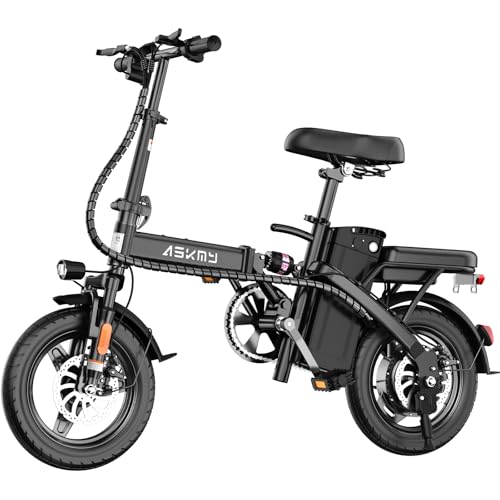
- Folding e-bikes: Compact and portable for mixed-mode travel (bike + train/bus). Examples: Brompton Electric, Tern Vektron.
- Cargo e-bikes: Built for carrying groceries, kids, or gear. Long wheelbases enhance stability but reduce agility. Examples: Yuba Spicy Curry, Riese & Müller Load.
- Hybrid/urban e-bikes: Blend road and mountain bike traits. Versatile but may lack city-specific features. Examples: Cannondale Adventure Neo, Electra Townie Go!
Choose based on your primary use case. If you ride 10 miles round-trip to work, a commuter model is ideal. If you combine biking with public transit, a folding bike saves space.
Legal and Safety Considerations
In the U.S., e-bikes are classified into three categories:
- Class 1: Pedal-assist only, max 20 mph
- Class 2: Throttle-assisted, max 20 mph
- Class 3: Pedal-assist only, max 28 mph
Most cities allow Class 1 and 2 on bike paths; Class 3 may be restricted. Helmets are recommended for all classes, required for minors in many states. Always use hand signals and ride predictably.
Insurance isn’t mandatory but consider it if your e-bike exceeds $2,000. Some homeowners’ policies cover theft or damage.
Final Tips Before You Buy
- Test ride multiple models. Handling differences are noticeable only when you’re on the bike.
- Check local incentives. Some cities offer rebates or tax credits for e-bike purchases.
- Plan your charging routine. Ensure you have access to power at home or work.
- Invest in a good lock. U-locks or heavy chains deter theft better than cables.
- Start with moderate assist. You’ll extend range and reduce fatigue on longer rides.
FAQ
How far can an electric bicycle really go in the city?
Most city e-bikes achieve 25–50 miles per charge under real-world conditions. Range depends on battery size, assist level, terrain, and rider weight. For daily commutes under 15 miles, a single charge is usually enough.
Are electric bicycles hard to handle in traffic?
Not if they’re designed for urban use. Look for models with upright geometry, responsive brakes, and manageable weight. Avoid overly long or heavy bikes that feel sluggish at low speeds.
Do I need a special license to ride an e-bike in the city?
In most U.S. states and European countries, no license is required for Class 1 or 2 e-bikes. Class 3 may require a helmet or have age restrictions. Always check local regulations before riding.
Choosing the right electric bicycle means matching features to your city’s demands. Prioritize handling for tight streets, realistic range for your commute, and long-term value over flashy specs. With the right model, you’ll ride farther, arrive fresher, and enjoy the journey—not just the destination.
