Electric Bicycle Advice to Compare Range, Motor Support, and Comfort with a Focus on Traction for Weekend Rides Leave a comment
Electric Bicycle Advice to Compare Range, Motor Support, and Comfort with a Focus on Traction for Weekend Rides
If you’re planning weekend rides on mixed terrain—whether gravel paths, forest trails, or suburban streets—choosing the right electric bicycle requires careful comparison of range, motor support, and comfort, with special attention to traction. Electric bicycle advice centered on these three factors ensures you pick a model that won’t leave you stranded, feels stable on loose surfaces, and keeps you riding longer without fatigue. This guide walks through what matters most when evaluating e-bikes for recreational use, offering practical comparisons and real-world considerations to help you make a confident decision.
Why Traction Matters Most for Weekend Rides
Traction determines how well your e-bike grips the ground, especially on uneven or slippery surfaces common during weekend adventures. Without adequate traction, even powerful motors and long-range batteries won’t prevent skidding, loss of control, or unnecessary strain on your body. Traction starts with tire choice, but it’s also influenced by frame geometry, weight distribution, and suspension systems.
For example, a bike with 2.3-inch-wide knobby tires will outperform a narrow, slick-tread model on dirt trails or wet grass. Similarly, a step-through frame with a low center of gravity improves balance on loose gravel. If your weekend route includes hills, mud, or packed earth, prioritize models designed for off-road or hybrid use. Look for tires labeled “all-terrain” or “trail-ready,” and check tread patterns—deeper lugs provide better grip in soft conditions.
Key Traction Features to Evaluate
- Tire width and tread: Wider tires (2.0″–2.6″) with aggressive tread offer superior grip.
- Tubeless compatibility: Reduces puncture risk and allows lower tire pressure for better contact patch.
- Frame stiffness and geometry: A balanced, slightly forward-leaning stance improves front-wheel control.
- Front suspension: Even basic 80–100mm travel forks absorb bumps and maintain tire contact.
Models like the Rad Power Bikes RadRover 6 Plus and Trek Powerfly 4 exemplify strong traction design, combining wide tires, sturdy frames, and responsive suspension. These bikes handle everything from city bike lanes to fire roads with confidence.
Comparing Range: Real-World Expectations vs. Manufacturer Claims
Range anxiety is common among new e-bike riders, but understanding how range is calculated—and how it changes in practice—can prevent disappointment. Most manufacturers quote range based on ideal conditions: flat terrain, minimal pedal assist, and a light rider. In reality, weekend rides often involve hills, headwinds, and higher assist levels, which significantly reduce battery life.
A bike advertised with a 70-mile range might deliver only 35–45 miles on a hilly trail with frequent stops and starts. To compare range accurately, consider these factors:
- Battery capacity (measured in watt-hours, Wh): Higher Wh = longer potential range. A 500Wh battery typically offers 30–60 miles depending on conditions.
- Motor efficiency: Mid-drive motors (like Bosch or Shimano) use energy more efficiently than hub motors, especially on hills.
- Assist level used: Eco mode conserves power; Turbo or Boost modes drain batteries quickly.
- Terrain and rider weight: Climbing steep hills or carrying gear reduces range by 20–40%.
For weekend rides of 20–40 miles, aim for a battery with at least 500Wh capacity. If your route includes significant elevation gain, consider a 625Wh+ battery or a model with a removable battery for mid-ride swaps. The Specialized Turbo Vado SL 5.0, for instance, offers up to 80 miles in Eco mode but drops to around 45 miles in higher assist settings on rolling terrain.
Tips to Maximize Range on Weekend Trips
- Use lower assist levels on flat sections and reserve higher modes for climbs.
- Keep tires inflated to the recommended pressure—underinflated tires increase rolling resistance.
- Avoid sudden accelerations; smooth pedaling improves efficiency.
- Carry a portable charger or spare battery if planning extended rides.
Always check user reviews for real-world range reports. Forum discussions and YouTube ride tests often reveal how a bike performs outside lab conditions.
Motor Support: Choosing the Right Power Delivery for Your Ride Style
Motor support defines how the e-bike assists your pedaling—whether it’s a gentle nudge or a powerful push. For weekend riders, the right motor ensures you tackle hills without exhaustion and maintain a comfortable pace over long distances. There are two main types of e-bike motors: hub motors and mid-drive motors.
Hub motors are located in the front or rear wheel and provide direct power. They’re common on budget and commuter e-bikes. While simple and reliable, they can feel unbalanced on steep climbs and offer less natural pedal feedback.
Mid-drive motors sit at the bike’s crank and leverage the drivetrain, delivering power through the gears. This results in smoother acceleration, better hill-climbing ability, and more efficient energy use. Brands like Bosch, Shimano, and Brose dominate this space and are preferred for trail and touring e-bikes.
Motor Power and Torque: What You Need to Know
| Motor Type | Typical Power (Watts) | Torque (Nm) | Best For |
|---|---|---|---|
| Hub Motor (Rear) | 250–750W | 40–60 Nm | Flat terrain, casual riding |
| Mid-Drive (Bosch Performance Line) | 250W (nominal) | 75–85 Nm | Hills, trails, long-distance |
| Mid-Drive (Shimano EP8) | 250W (nominal) | 85 Nm | Technical terrain, sport riding |
Torque, measured in Newton-meters (Nm), is more important than wattage for climbing and acceleration. A motor with 75+ Nm of torque will help you ascend steep inclines with ease, while lower-torque motors may struggle unless you pedal hard.
For weekend rides involving varied terrain, a mid-drive motor with at least 70 Nm of torque is ideal. The Gazelle Medeo T10 HMB, equipped with a Bosch Active Line Plus motor (50 Nm), suits flat to moderate routes, while the Cube Kathmandu Hybrid Pro 750 with a Bosch Performance Line motor (75 Nm) handles mountain passes and gravel climbs effortlessly.
Comfort: The Overlooked Factor in E-Bike Selection
Comfort directly affects how long and how often you ride. An uncomfortable e-bike leads to sore backs, numb hands, and early fatigue—especially on longer weekend outings. Unlike motor and range, comfort is subjective, but several design elements contribute to a pleasant ride.
Start with the saddle. Many e-bikes come with basic seats that feel fine for short commutes but become painful after an hour. Consider upgrading to a gel or memory foam saddle, or choose a model with an ergonomic design like the Selle Royal Respiro.
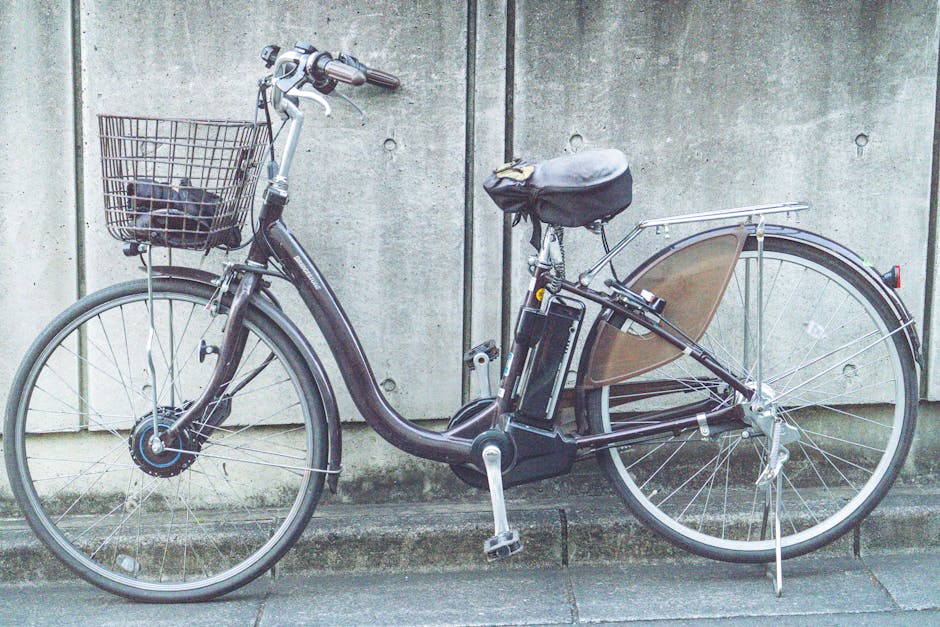
Handlebar height and reach also matter. A more upright position reduces strain on your wrists and lower back. Step-through frames and swept-back handlebars promote relaxed posture, ideal for leisurely rides. The Electra Townie Go! 7D is a standout in this category, offering a patented Flat Foot Technology that lets you sit comfortably with feet flat on the ground at stops.
Comfort-Enhancing Features to Look For
- Suspension seatpost: Absorbs road vibrations without the weight of full suspension.
- Padded grips: Reduce hand fatigue on long rides.
- Adjustable stem: Allows fine-tuning of handlebar height and reach.
- Wide, cushioned tires: Act as natural shock absorbers on rough paths.
Don’t overlook the importance of test rides. Visit local shops and ride different models on varied surfaces. Pay attention to how the bike feels after 15–20 minutes—this is when discomfort usually becomes apparent.
Putting It All Together: How to Compare E-Bikes for Weekend Use
With so many options available, comparing e-bikes can feel overwhelming. Use this step-by-step approach to narrow your choices:
- Define your typical ride: Distance, terrain, elevation, and weather conditions.
- Set a budget: E-bikes range from $1,200 to $6,000+. Decide what you’re willing to spend.
- Prioritize traction features: Choose tires, frame, and suspension suited to your terrain.
- Check real-world range: Look beyond specs; read user reviews and test ride with a charged battery.
- Evaluate motor type and torque: Mid-drive with 70+ Nm is best for hills and trails.
- Assess comfort elements: Saddle, handlebars, and posture should feel natural.
- Test ride multiple models: Ride on surfaces similar to your weekend routes.
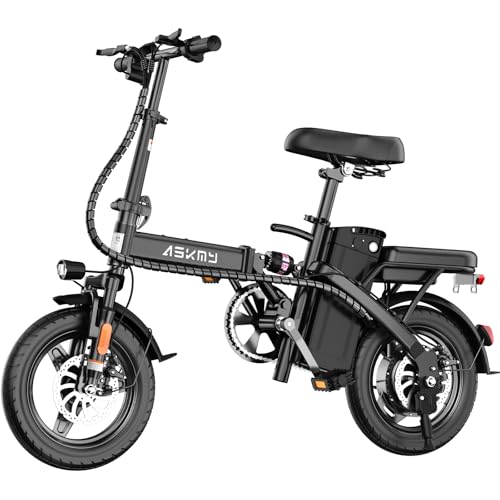
A bike that excels in one area but fails in another may not suit your needs. For example, a lightweight folding e-bike might have great range but poor traction on dirt trails. Conversely, a heavy-duty trail e-bike could be overkill for paved park loops.
Common Mistakes to Avoid When Buying an E-Bike
Even experienced cyclists make errors when transitioning to e-bikes. Avoid these pitfalls:
- Ignoring weight: E-bikes weigh 40–70 lbs. Ensure you can lift and store it safely.
- Overestimating range: Always plan for 30–50% less than advertised.
- Skipping the test ride: Comfort and handling can’t be judged from specs alone.
- Neglecting maintenance: E-bikes require regular checks on brakes, drivetrain, and battery connections.
- Buying without local support: Choose a brand with nearby service centers for repairs and tune-ups.
Also, be cautious of “too good to be true” deals. Extremely low-priced e-bikes often use outdated batteries, weak motors, or poor-quality components that fail quickly.
Final Thoughts: Making the Right Choice for Your Weekend Adventures
Choosing an electric bicycle for weekend rides isn’t just about speed or style—it’s about finding a reliable partner that enhances your experience. Electric bicycle advice that emphasizes range, motor support, comfort, and traction ensures you select a model that performs well across real-world conditions. Prioritize bikes with strong traction for safety on loose surfaces, sufficient range for your typical distance, responsive motor support for hills, and ergonomic design for all-day comfort.
Invest time in research, test rides, and comparing models side by side. The right e-bike will make weekend rides more enjoyable, less tiring, and far more frequent.
FAQ
Q: How far can I really ride on a single charge?
A: Most e-bikes deliver 30–60 miles per charge, but actual range depends on terrain, assist level, rider weight, and weather. Always plan for 30–50% less than the manufacturer’s claim.
Q: Do I need a mid-drive motor for weekend trail riding?A: Yes, if your rides include hills or rough terrain. Mid-drive motors offer better balance, efficiency, and climbing power than hub motors.
Q: Can I improve traction without buying a new bike?
A: Absolutely. Upgrading to wider, knobby tires, lowering tire pressure slightly, and adding front suspension can significantly improve grip on loose or uneven surfaces.
