
Electric Bicycle Advice for Safer Commuting, Charging, and Storage Habits with a Focus on Speed for City Streets Leave a comment
Electric Bicycle Advice for Safer Commuting, Charging, and Storage Habits with a Focus on Speed for City Streets
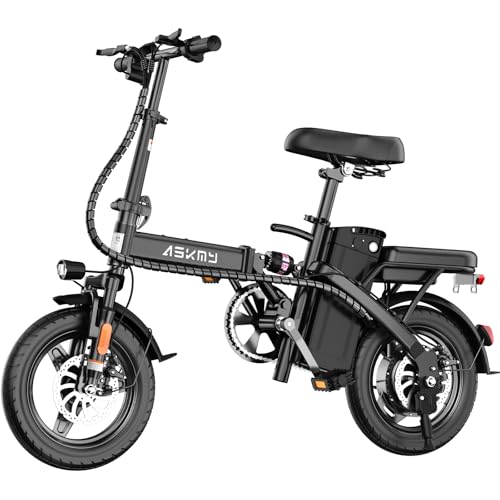
Commuting by electric bicycle offers a fast, eco-friendly, and cost-effective way to navigate city streets—especially when you prioritize safety, proper charging, and smart storage. For urban riders aiming to maximize speed without compromising safety, following best practices in handling, maintenance, and routine care is essential. This guide delivers practical electric bicycle advice for safer commuting, charging, and storage habits, with a focus on speed for city streets. Whether you’re a daily commuter or weekend explorer, these tips will help you ride efficiently, protect your investment, and reduce risks on busy roads.
Why Speed Matters—And How to Manage It Safely
Electric bicycles are designed to assist riders up to certain speed limits—typically 20 mph (32 km/h) for Class 1 and Class 2 e-bikes in the U.S., and 25 km/h (15.5 mph) in many European countries. While these speeds make e-bikes ideal for beating traffic and reducing commute times, they also demand greater awareness and control. Unlike traditional bikes, e-bikes accelerate faster and carry more momentum, which can catch new riders off guard.
To safely harness speed on city streets, start by understanding your bike’s power settings. Most e-bikes offer multiple assist levels—Eco, Tour, Sport, and Turbo. Use lower settings in crowded areas or during poor weather, and reserve higher modes for open roads or uphill climbs. This not only extends battery life but also gives you better control when navigating intersections, bike lanes, or pedestrian zones.
Another critical factor is braking. High-speed e-bikes require responsive brakes. Disc brakes—especially hydraulic ones—are strongly recommended over rim brakes for their superior stopping power, particularly in wet conditions. Test your brakes regularly and replace worn pads promptly. A simple rule: if your e-bike takes more than 10 feet to stop from 15 mph on dry pavement, it’s time for maintenance.
Finally, always wear a helmet. At speeds over 15 mph, the risk of serious injury increases significantly in a fall or collision. Choose a helmet certified to CPSC (U.S.) or EN 1078 (EU) standards, and ensure it fits snugly without tilting forward or backward.
Safe Commuting Practices for Urban E-Bike Riders
City commuting presents unique challenges: unpredictable traffic, narrow bike lanes, and frequent stops. To stay safe while maintaining speed, adopt these habits:
- Plan your route in advance. Use apps like Google Maps (with bike layer enabled) or Komoot to identify bike-friendly roads, protected lanes, and low-traffic alternatives. Avoid major highways and high-speed arterial roads unless absolutely necessary.
- Use hand signals consistently. Even when riding at moderate speeds, signaling turns and stops helps drivers and pedestrians anticipate your movements.
- Stay visible. Equip your e-bike with front and rear LED lights, even during daytime. Reflective tape on wheels, pedals, and frame increases visibility at night. Wear bright or reflective clothing.
- Maintain a safe following distance. At 20 mph, you need about 3–4 seconds of distance behind the vehicle ahead to react safely. Increase this in rain or low visibility.
- Avoid distractions. Don’t use headphones or handlebar-mounted phones while riding. Keep one hand on the handlebar at all times.
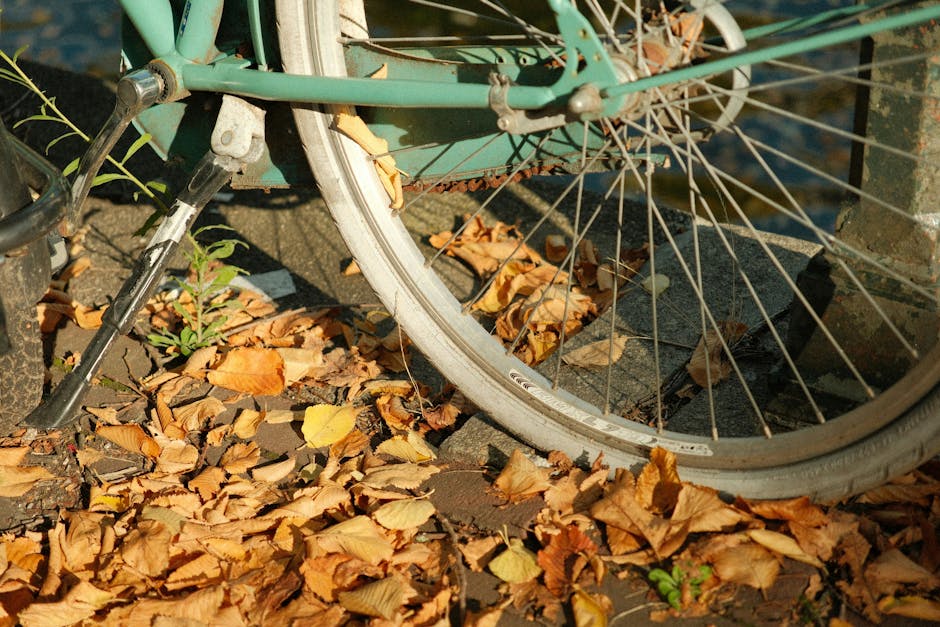
Also, be mindful of road surfaces. Potholes, gravel, and wet leaves can cause skidding, especially at higher speeds. Slow down when approaching intersections, driveways, or areas with frequent pedestrian crossings.
Charging Your E-Bike Safely and Efficiently
Proper charging is crucial for battery longevity and fire safety. Lithium-ion batteries, common in e-bikes, are powerful but require careful handling. Follow these guidelines to charge safely:
- Use only the manufacturer-supplied charger. Third-party chargers may not match voltage or current specifications, leading to overheating or battery damage.
- Charge in a cool, dry place. Avoid charging near flammable materials, in direct sunlight, or in temperatures below freezing or above 104°F (40°C).
- Don’t leave batteries charging unattended overnight. While modern chargers often have auto-shutoff features, it’s safer to monitor the process, especially with older models.
- Unplug once fully charged. Overcharging can degrade battery cells over time. Most e-bike batteries reach full capacity in 3–6 hours.
- Store batteries at 30–60% charge if not used for weeks. Fully charged or fully depleted batteries degrade faster during long storage.
A common mistake is charging immediately after a long ride. Let the battery cool for 15–30 minutes before plugging in. Heat buildup during riding and charging can stress the cells.
For commuters who ride daily, consider investing in a second battery. This allows you to rotate batteries, reducing wear on a single unit and ensuring you’re never stranded with a dead pack. Just remember to store spare batteries in a fireproof bag or metal container, away from heat sources.
Smart Storage Solutions to Protect Your E-Bike
Where and how you store your e-bike affects its lifespan, security, and readiness for your next ride. Urban riders often face space constraints, but with smart planning, you can keep your e-bike safe and functional.
Indoor Storage: The Gold Standard
Whenever possible, store your e-bike indoors. This protects it from weather, theft, and temperature extremes. Ideal locations include:
- Garages or sheds: Use wall mounts or ceiling hoists to save floor space. Ensure the area is dry and well-ventilated.
- Apartments or condos: Many buildings now offer secure bike rooms. If not, use a heavy-duty U-lock and anchor your bike to a fixed object in a locked closet or balcony.
- Workplaces: Some offices provide bike storage. If not, ask about installing a rack or securing a spot near an entrance.
Always remove the battery when storing indoors for extended periods. This reduces fire risk and makes the bike lighter to move.
Outdoor Storage: Minimizing Risks
If indoor storage isn’t an option, take extra precautions:
- Use a high-quality cover. Choose a waterproof, breathable cover that fits snugly to prevent moisture buildup.
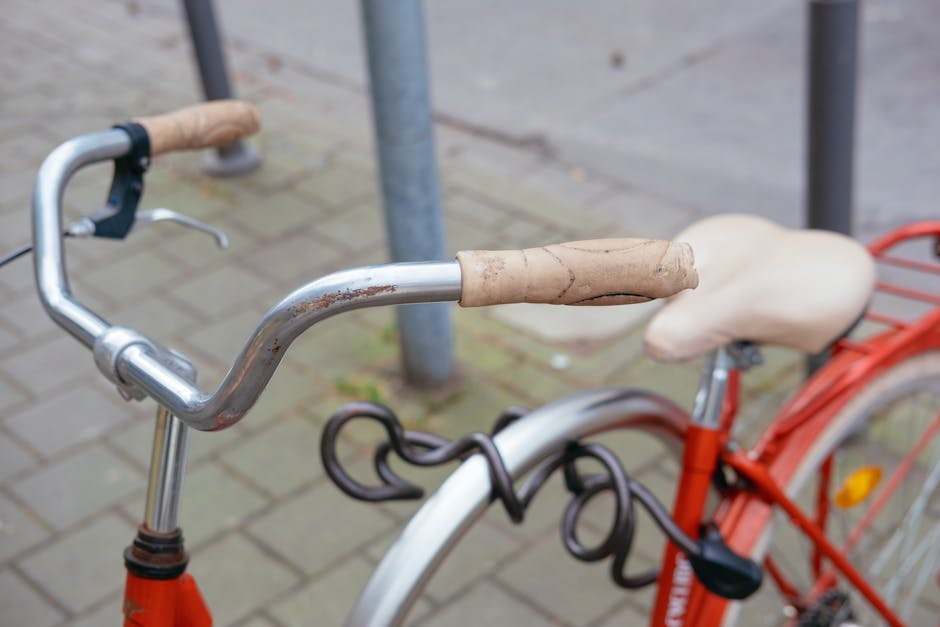
- Lock it properly. Use a hardened steel U-lock through the frame and rear wheel, and a secondary cable for the front wheel and accessories. Anchor to a fixed, immovable object.
- Avoid high-theft areas. If you must park outside, choose well-lit, busy locations with surveillance cameras.
- Remove the battery. This deters thieves and protects the battery from temperature swings.
Never leave your e-bike unattended in public for more than a few hours. Even with strong locks, e-bikes are attractive targets due to their value and portability.
Maintaining Speed and Performance Through Regular Care
To keep your e-bike performing at its best—especially when speed is a priority—routine maintenance is non-negotiable. Neglect can lead to reduced efficiency, safety hazards, and costly repairs.
Essential Maintenance Checklist
| Component | Frequency | Action |
|---|---|---|
| Tires | Weekly | Check pressure (use a gauge); inspect for cuts or wear. Inflate to manufacturer’s recommended PSI (usually 40–65 PSI for city e-bikes). |
| Brakes | Bi-weekly | Test lever feel; check pad thickness (replace if under 1mm). Adjust cable tension or hydraulic levels as needed. |
| Chain & Drivetrain | Monthly | Clean with degreaser; lubricate with e-bike-specific chain lube. Worn chains stretch and reduce efficiency. |
| Battery Contacts | Monthly | Wipe terminals with a dry cloth to prevent corrosion. Ensure secure connection to the frame. |
| Bolts & Fasteners | Monthly | Check stem, handlebars, seat post, and rack mounts for tightness. Use a torque wrench if possible. |
Additionally, have your e-bike serviced annually by a certified technician. They can inspect the motor, electrical connections, and firmware updates—items that aren’t easily checked at home.
One often-overlooked aspect is tire choice. For city commuting, opt for puncture-resistant tires with moderate tread. Slick or semi-slick tires reduce rolling resistance, helping you maintain speed with less effort. Examples include the Schwalbe Marathon Plus or Continental Contact Urban.
Legal and Insurance Considerations
Speed-capable e-bikes are subject to regulations that vary by region. In the U.S., federal law defines e-bikes as bicycles if they meet certain criteria (motor under 750W, speed under 20 mph with pedal assist). However, states and cities may impose additional rules:
- Helmet laws: Required for riders under 18 in many states; recommended for all.
- Age restrictions: Some areas require riders to be at least 16 years old.
- Where you can ride: E-bikes may be banned from sidewalks or certain trails. Check local ordinances.
- Lighting and reflectors: Required at night in most jurisdictions.
Consider insuring your e-bike, especially if it costs over $1,000. Homeowners or renters insurance may cover theft or damage, but often with low limits. Specialized e-bike insurance (e.g., from Litelok or Velosurance) offers broader protection, including liability and roadside assistance.
Maximizing Speed Without Sacrificing Safety
Achieving fast, efficient commutes on an e-bike isn’t just about motor power—it’s about smart habits. Here’s how to optimize speed safely:
- Maintain a steady cadence. Pedal smoothly rather than surging. Most e-bikes deliver optimal assist between 60–90 RPM.
- Reduce aerodynamic drag. Tuck in your elbows, wear fitted clothing, and avoid bulky backpacks. A rear rack with a streamlined bag is more efficient than a shoulder strap.
- Keep the bike lightweight. Remove unnecessary accessories. Every pound adds resistance, especially on hills.
- Time your stops. Anticipate traffic lights and slow gradually. This conserves battery and reduces brake wear.
- Use regenerative braking (if available). Some high-end e-bikes recover energy during braking, slightly extending range.
Remember: speed is only beneficial if you can stop safely and react to hazards. Always prioritize control over velocity.
FAQs
Q: Can I modify my e-bike to go faster than the legal limit?
A: Modifying an e-bike to exceed speed limits (e.g., by removing limiters) may void your warranty, violate local laws, and increase safety risks. It’s not recommended. Instead, choose a model with higher legal assist levels or improve your riding efficiency through better routes and maintenance.
Q: How far can I commute on a single charge?
A: Most e-bikes offer 20–60 miles per charge, depending on battery capacity (measured in watt-hours), assist level, terrain, and rider weight. For city commuting with frequent stops, expect 30–40 miles on a 500Wh battery in mixed assist mode.
Q: Is it safe to charge my e-bike battery in my apartment?
A: Yes, as long as you follow safety guidelines: use the original charger, avoid overcharging, keep the area ventilated, and never charge on flammable surfaces. For added safety, consider a fireproof charging bag and avoid charging while sleeping.
Final Thoughts
Electric bicycle advice for safer commuting, charging, and storage habits with a focus on speed for city streets boils down to preparation, awareness, and consistency. By respecting your bike’s capabilities, maintaining it regularly, and riding with intention, you can enjoy fast, reliable, and secure urban travel. Whether you’re dodging traffic on a downtown avenue or cruising through a park pathway, these practices will help you get there efficiently—and return home safely.
