
Electric Bicycle Advice for Riders Comparing Commuter and Cargo Bicycles with a Focus on Visibility for Weekend Rides Leave a comment
Electric Bicycle Advice for Riders Comparing Commuter and Cargo Bicycles with a Focus on Visibility for Weekend Rides
If you’re considering an electric bicycle for weekend adventures, choosing between a commuter e-bike and a cargo e-bike involves more than just range and cargo capacity—visibility plays a crucial role in safety, especially on less-traveled or low-light routes. This guide offers practical electric bicycle advice for riders comparing commuter and cargo bicycles, with a dedicated focus on visibility enhancements that make weekend rides safer and more enjoyable. We’ll break down key differences, visibility features, and actionable tips to help you pick the right e-bike for your needs.
Commuter vs. Cargo E-Bikes: Core Differences
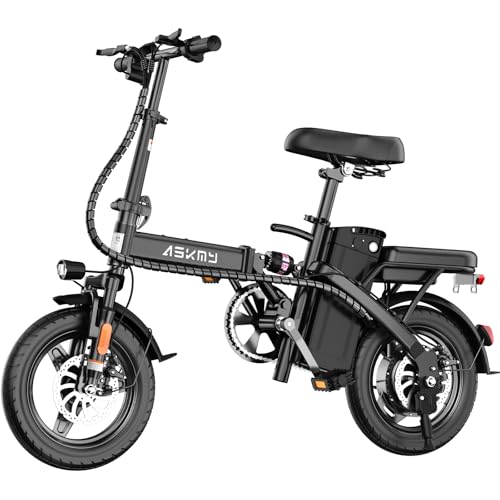
Commuter electric bicycles are designed for efficiency, speed, and maneuverability in urban environments. They typically feature lighter frames, upright riding positions, and components optimized for daily travel on paved roads. Most commuter e-bikes weigh between 40 and 60 pounds and offer a range of 40–80 miles per charge, depending on battery capacity and assist level.
Cargo e-bikes, on the other hand, prioritize utility and stability. Built to carry children, groceries, or equipment, they often have extended wheelbases, reinforced frames, and higher weight capacities—sometimes supporting up to 400 pounds. These bikes are heavier, usually between 60 and 80 pounds, and may have slightly reduced range due to the extra load and drag. However, their robust design makes them ideal for weekend errands, family outings, or hauling gear on recreational trails.
The choice between the two depends on your primary use case. If your weekends involve quick rides to the park or café with minimal gear, a commuter e-bike offers agility and ease. But if you’re transporting kids, picnic supplies, or camping equipment, a cargo e-bike’s capacity and stability become essential.
Why Visibility Matters for Weekend E-Bike Rides
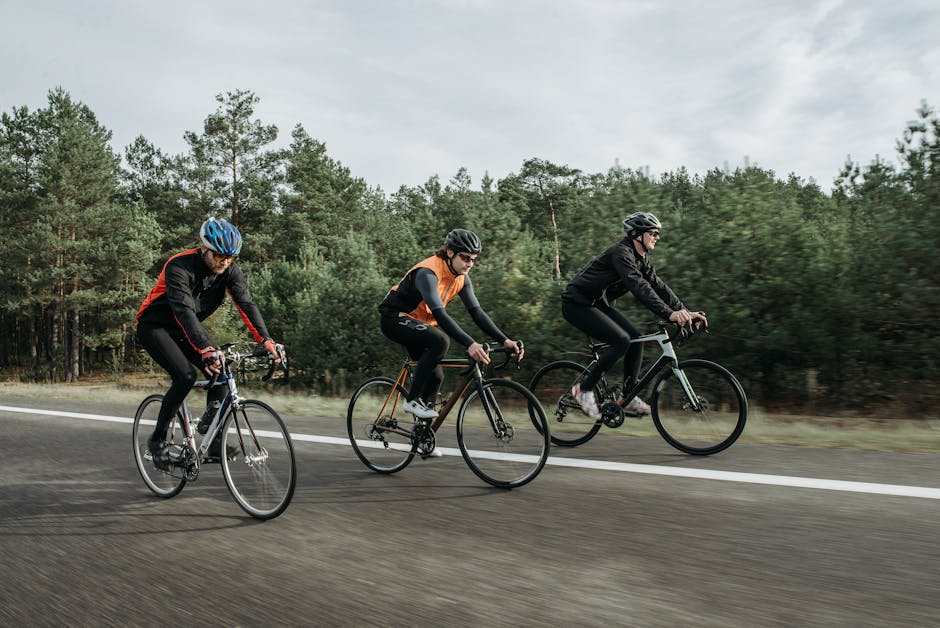
Weekend rides often take place during dawn, dusk, or overcast conditions—times when visibility is lowest and accident risk increases. Unlike daily commutes on well-lit city streets, weekend routes may include rural roads, bike paths with poor lighting, or areas with high vehicle traffic. In these settings, being seen is just as important as seeing the road ahead.
Poor visibility contributes to a significant number of cycling accidents. According to transportation safety reports, most cyclist fatalities occur during low-light hours, and many involve drivers failing to notice cyclists in time to react. For e-bike riders, who may travel faster than traditional cyclists, the margin for error shrinks further.
Both commuter and cargo e-bikes can be equipped for better visibility, but their designs influence how effectively these features perform. Cargo e-bikes, with their larger profiles, naturally have a higher visual presence. Commuter e-bikes, while more aerodynamic, may require additional lighting and reflective elements to stand out.
Key Visibility Features to Look For
When evaluating e-bikes for weekend use, prioritize models with integrated visibility systems. Here are the most effective features to consider:
- Front and Rear LED Lights: Look for bright, rechargeable lights with multiple modes (steady, flashing, daytime running). Aim for at least 300 lumens in front and a red rear light with a wide beam angle.
- Side Visibility Enhancements: Reflective sidewall tires, spoke reflectors, and frame decals increase side visibility, crucial when crossing intersections or being approached from the side.
- Turn Signals and Brake Lights: Some premium e-bikes now include automatic brake lights and integrated turn signals, which significantly improve communication with drivers.
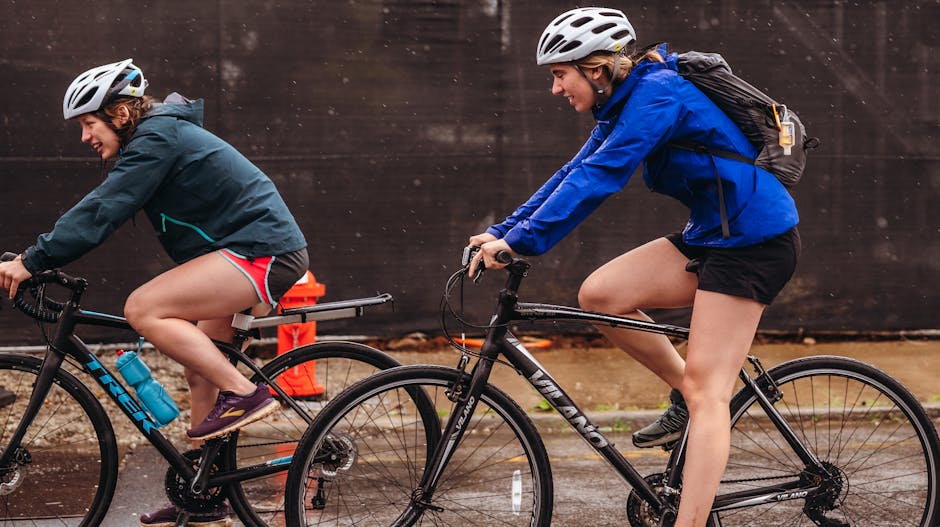
- Reflective Clothing and Accessories: Even the best bike lights aren’t enough if you’re wearing dark clothing. High-visibility vests, reflective ankle bands, and bright helmets enhance your profile.
- Audible Signals: A loud, clear bell or electronic horn helps alert pedestrians and vehicles, especially in quiet neighborhoods or blind corners.
Visibility Comparison: Commuter vs. Cargo E-Bikes
While both bike types can be made highly visible, their inherent designs lead to different visibility strengths and weaknesses.
| Feature | Commuter E-Bike | Cargo E-Bike |
|---|---|---|
| Natural Visibility | Lower profile; may blend into traffic | Larger frame; more noticeable to drivers |
| Lighting Integration | Often includes basic lights; upgrades common | Frequently comes with advanced lighting systems |
| Mounting Points for Accessories | Limited rear rack space; fewer attachment options | Multiple racks and brackets for lights, flags, and bags |
| Side and Rear Exposure | Requires add-on reflectors and flags | Easier to outfit with wide-angle reflectors and safety flags |
| Stability at Speed | Agile but can be less stable in crosswinds | Heavier and more stable, reducing sway in wind |
For example, the Rad Power Bikes RadCity 5 Plus, a popular commuter model, includes integrated front and rear lights and a rear rack for adding a cargo bag or child seat. However, its slim frame means riders often need to add a safety flag or side reflectors for weekend trail use. In contrast, the Yuba Spicy Curry, a long-tail cargo e-bike, features a built-in rear light, wide wheelbase, and multiple mounting points for additional lights and a high-visibility flag—making it inherently more visible on weekend excursions.
Enhancing Visibility: Practical Upgrades for Any E-Bike
Regardless of your e-bike type, you can significantly improve visibility with a few targeted upgrades. These modifications are especially valuable for weekend riders who venture beyond city limits.
1. Add a High-Visibility Safety Flag
A tall, fluorescent flag mounted to the rear rack increases your height in traffic, making you visible over cars and around blind corners. Look for flags at least 6 feet high with reflective stripes. This is particularly useful for cargo e-bikes carrying children, as it ensures the entire unit is seen.
2. Install Additional Lighting
Supplement factory lights with aftermarket options. Consider:
- Wheel Lights: LED strips that attach to spokes and create a glowing circle as you ride, enhancing side visibility.
- Helmet Lights: A small front or rear light mounted on your helmet moves with your head, improving peripheral awareness for drivers.
- Frame-Mounted Lights: Small LED pods attached to the down tube or seat post add extra illumination points.
For weekend rides at dusk, a combination of front, rear, and side lighting creates a 360-degree visibility zone.
3. Use Reflective Tape Strategically
Apply high-gloss reflective tape to the frame, pedals, and rear rack. Focus on areas that catch headlights from multiple angles. Avoid covering brake lines or moving parts. Pre-cut kits are available for popular e-bike models and are easy to install.
4. Choose Bright, Contrasting Colors
If you’re buying a new e-bike, opt for bright colors like white, yellow, or orange instead of black or dark gray. A light-colored bike is easier to spot in low light. Pair this with a bright helmet and clothing for maximum effect.
5. Plan Your Route with Visibility in Mind
Use apps like Komoot or Google Maps to select routes with bike lanes, lower speed limits, and good street lighting. Avoid high-speed roads without shoulders, especially during early morning or evening hours. Weekend riders should prioritize safety over speed.
Safety Tips for Weekend E-Bike Riders
Visibility is just one part of safe riding. These additional tips will help you stay safe and confident on weekend adventures:
- Check Your Lights Before Every Ride: Dead batteries are common. Make it a habit to test lights and charge them weekly.
- Wear a Helmet with Built-In Lights: Some helmets now include integrated rear lights and turn signals, adding another layer of visibility.
- Ride Predictably: Signal turns early, avoid sudden swerves, and maintain a steady line. Drivers are more likely to notice and respect predictable behavior.
- Avoid Distractions: Don’t use headphones or phones while riding. Stay alert to traffic, pedestrians, and road conditions.
- Carry a Repair Kit: Include a spare tube, tire levers, pump, and a multi-tool. A flat tire on a remote trail can leave you stranded in low-light conditions.
For families using cargo e-bikes, ensure child passengers wear helmets and bright clothing. Use safety harnesses for younger riders and avoid overloading the bike beyond its rated capacity.
Choosing the Right E-Bike for Weekend Visibility
When comparing commuter and cargo e-bikes for weekend use, visibility should be a deciding factor—not an afterthought. Ask yourself:
- Will I be riding during low-light hours?
- Do I need to carry passengers or heavy loads?
- Are my usual routes well-lit and bike-friendly?
If you answered “yes” to the first question, prioritize bikes with strong lighting systems and easy upgrade options. If you’re carrying kids or gear, a cargo e-bike’s stability and mounting points offer inherent advantages. Commuter e-bikes can work well for solo weekend rides, especially with added visibility accessories.
Test ride both types if possible. Pay attention to how the bike feels in traffic, how easily you can attach lights or flags, and whether the lighting system meets your needs. Many retailers offer weekend demo days—take advantage of these to evaluate real-world visibility.
Final Thoughts: Make Visibility a Priority
Electric bicycle advice for riders comparing commuter and cargo bicycles should always include a focus on visibility, especially for weekend rides that extend beyond typical commuting hours and routes. While cargo e-bikes have a natural edge in size and stability, commuter models can be equally safe with the right upgrades. The key is proactive preparation: invest in quality lights, reflective elements, and high-visibility accessories. Plan your routes wisely, maintain your equipment, and always assume that drivers may not see you—even in daylight.
By prioritizing visibility, you not only protect yourself but also set a positive example for other cyclists. Whether you’re zipping through city streets or exploring country roads, being seen means staying safe.
FAQ
What’s the best way to improve visibility on a commuter e-bike for weekend rides?
Add a high-visibility safety flag, install wheel and helmet lights, and use reflective tape on the frame and pedals. Choose bright clothing and ensure your front and rear lights are fully charged before each ride.
Are cargo e-bikes safer than commuter e-bikes for low-light conditions?
Cargo e-bikes are generally more visible due to their larger size and often come with better lighting systems. However, safety also depends on rider behavior, route selection, and proper use of visibility accessories—both bike types can be safe with the right setup.
Can I add turn signals to my existing e-bike?
Yes, aftermarket turn signal kits are available for most e-bikes. These typically include handlebar-mounted controls and rear signal lights that can be wired into the bike’s electrical system or run on batteries. Installation varies by model, so check compatibility before purchasing.
