

Electric Bicycle Advice for Choosing a Model That Fits Your Daily Routine with a Focus on Handling for New Cyclists Leave a comment
Electric Bicycle Advice for Choosing a Model That Fits Your Daily Routine with a Focus on Handling for New Cyclists
If you’re new to cycling and considering an electric bicycle, the most important factor isn’t speed or battery life—it’s how the bike handles. Electric bicycle advice for choosing a model that fits your daily routine should prioritize comfort, control, and confidence, especially for riders still building experience. A well-handling e-bike makes starting, stopping, and maneuvering through traffic or tight spaces feel natural and safe. This guide walks you through key considerations—from frame design and motor placement to weight distribution and test rides—so you can pick an e-bike that matches your commute, errands, or weekend rides without overwhelming you.
Why Handling Matters Most for New E-Bike Riders
Handling determines how predictably and comfortably your e-bike responds to your movements. For beginners, poor handling can lead to wobbles at low speeds, difficulty balancing when stopped, or nervousness in traffic. Unlike traditional bikes, e-bikes add weight and power, which can amplify instability if the design isn’t rider-friendly.
Look for features that promote stability and ease of use:
- Low step-through frame: Makes mounting and dismounting easier, especially with cargo or in stop-and-go traffic.
- Center-mounted motor: Keeps weight low and centered, improving balance compared to rear-hub motors that can feel tail-heavy.
- Upright riding position: Reduces strain on your back and shoulders while improving visibility in traffic.
- Wider tires (2.0” or more): Offer better grip and shock absorption on uneven pavement.
For example, a commuter traveling 5 miles each way through city streets will benefit more from a nimble, balanced bike with responsive steering than a high-speed model built for long highway stretches.
Matching Your E-Bike to Your Daily Routine
Your daily use dictates the ideal e-bike type. Consider where and how you’ll ride most often.
City Commuting and Errands
If your routine includes short trips to work, the grocery store, or coffee shops, prioritize maneuverability and convenience. A compact city e-bike with fenders, a rear rack, and integrated lights adds practicality. Models like the Rad Power Bikes RadCity or the Trek Verve+ 2 offer upright geometry, reliable mid-drive motors, and components suited for frequent stops and starts.
Key features to look for:
- Hydraulic disc brakes for consistent stopping in wet conditions
- Puncture-resistant tires to reduce maintenance
- Integrated lighting for visibility during early morning or evening rides
Hilly Terrain or Longer Distances
Riders facing steep hills or commutes over 10 miles need more power and range. A mid-drive motor (like those from Bosch or Shimano) delivers torque efficiently and maintains better weight balance than hub motors. Pair this with a battery of at least 500Wh for reliable performance.
For instance, someone biking up a 10% grade hill daily will notice a significant difference between a 250W hub motor and a 500W mid-drive system. The latter provides smoother assistance and preserves battery life.
Recreational Riding and Light Trails
If your routine includes weekend rides on bike paths or gravel trails, consider a hybrid or lightweight e-mountain bike. These models often have front suspension to absorb bumps and more aggressive tread for varied surfaces. The Specialized Turbo Vado SL or the Cannondale Adventure Neo are examples that blend comfort with off-pavement capability.
Note: Suspension adds weight and complexity. If you’re sticking to paved roads, a rigid fork may offer better efficiency and lower maintenance.
Key Handling Features to Evaluate Before Buying
Not all e-bikes handle the same, even within the same category. Use these criteria to compare models:
| Feature | Why It Matters | Ideal for New Riders |
|---|---|---|
| Frame Geometry | Affects posture and control | Upright or relaxed geometry |
| Motor Placement | Influences weight distribution | Mid-drive (center-mounted) |
| Battery Position | Impacts center of gravity | Low and centered on frame |
| Wheel Size | Affects stability and rollover | 27.5″ or 28″ for balance |
| Steering Response | Determines how quickly the front wheel turns | Moderate trail and rake for stability |
Avoid overly aggressive geometries common in performance e-bikes—these may require leaning forward and can feel twitchy at low speeds. Instead, opt for bikes with a relaxed head tube angle and longer wheelbase for smoother, more predictable steering.
Weight and Portability: Practical Considerations
E-bikes are heavier than regular bikes—typically 40 to 70 pounds. This affects handling, especially when lifting the bike onto a rack, navigating curbs, or storing it indoors.
New riders should consider:
- Weight distribution: A well-balanced bike feels lighter to maneuver, even if the total weight is high.
- Removable battery: Makes charging easier and reduces weight when lifting.
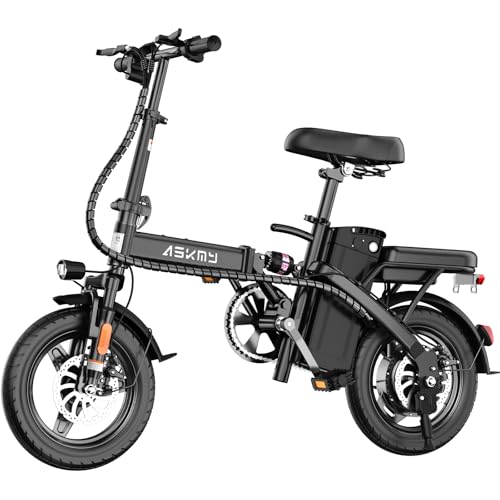
- Foldable designs: Useful for apartment dwellers or multi-modal commutes (e.g., bike + train), but often compromise on ride quality.
For example, a 50-pound e-bike with a centered battery and low frame is easier to handle at a red light than a 45-pound model with a rear-mounted battery that shifts weight backward.
Test Riding: The Most Important Step
Never buy an e-bike without test riding it. Handling is subjective—what feels stable to one rider may feel sluggish to another. Use these tips during your test:
- Start slow: Begin in a quiet parking lot or empty street. Practice starting, stopping, and turning at low speeds.
- Check balance: Stop at a standstill—can you put one foot down comfortably without tipping?
- Test the assist levels: Switch between eco, normal, and high modes. Does the bike surge forward abruptly, or does it ramp up smoothly?
- Ride over bumps: Go over a pothole or curb. Does the bike absorb shock well, or does it feel jarring?
- Try tight turns: Can you navigate a slow, sharp corner without feeling unstable?
If possible, test multiple models back-to-back. A bike that feels “just right” will inspire confidence and encourage regular use.
Common Mistakes New Riders Make
Even with the best intentions, beginners often overlook critical handling factors. Avoid these pitfalls:
- Choosing style over function: A sleek, fast e-bike may look appealing but could be hard to control for a new rider.
- Ignoring local terrain: Buying a flatland commuter for a hilly area leads to frustration and reduced battery life.
- Skipping the test ride: Assumptions based on specs alone can lead to poor handling experiences.
- Overestimating range needs: A 100km range sounds impressive, but most daily commutes are under 20km. Overspending on battery capacity adds unnecessary weight.
Remember: the best e-bike is the one you’ll actually ride. Prioritize comfort and control over specs that don’t align with your routine.
Maintenance Tips to Preserve Handling
Good handling degrades over time without proper care. Simple maintenance keeps your e-bike feeling responsive:
- Check tire pressure weekly: Underinflated tires reduce efficiency and make steering sluggish. Follow the PSI range on the tire sidewall.
- Lubricate the chain monthly: A dry chain increases resistance and wears components faster.
- Inspect brakes regularly: Squeaky or soft brakes reduce stopping power—critical for safe handling in traffic.
- Keep bolts tightened: Loose handlebars, seat posts, or racks can cause wobbling or instability.
Many local bike shops offer e-bike tune-ups. A professional inspection every 6–12 months ensures everything is aligned and functioning properly.
Final Thoughts: Confidence Comes from the Right Fit
Electric bicycle advice for choosing a model that fits your daily routine should always center on how the bike feels when you ride it. For new cyclists, handling is the foundation of safety and enjoyment. A well-balanced, easy-to-control e-bike reduces anxiety, builds skill, and makes everyday travel more practical.
Focus on your typical routes, prioritize test rides, and don’t be swayed by flashy features that don’t serve your needs. With the right model, your e-bike becomes a reliable partner in your daily life—not a source of stress.
FAQ
What’s the best e-bike for a beginner?
The best e-bike for a beginner prioritizes stability, upright riding position, and smooth power delivery. Look for models with mid-drive motors, low step-through frames, and hydraulic disc brakes—such as the RadCity 5 Plus or Trek Verve+ 3.
How important is motor power for handling?
Motor power affects acceleration and hill climbing, but not directly handling. However, a motor that delivers power too abruptly can make a bike feel jerky. Choose a model with adjustable assist levels and smooth torque sensing for better control.
Can I ride an e-bike in the rain?
Yes, most e-bikes are designed for wet conditions. Look for IP-rated components (e.g., IP65 or higher) and always dry the bike after riding in heavy rain to prevent corrosion.
