
Electric Bicycle Advice Every First-Time Buyer Should Read Before Shopping Leave a comment
Electric Bicycle Advice Every First-Time Buyer Should Read Before Shopping
If you’re considering your first electric bicycle, posture is one of the most overlooked yet critical factors—especially when riding on city streets. Poor posture can lead to discomfort, fatigue, and even injury over time, undermining the convenience and enjoyment of e-biking. This guide delivers essential electric bicycle advice every first-time buyer should read before shopping, with a clear focus on how to maintain proper posture for urban commuting. From frame geometry to handlebar height and seat positioning, we’ll walk you through the key elements that affect your ride quality, safety, and long-term satisfaction.

Why Posture Matters More Than You Think on City Streets
City riding presents unique challenges: stop-and-go traffic, frequent braking, potholes, curbs, and tight turns. Unlike leisurely rides on flat trails, urban environments demand constant awareness and quick reactions. When your posture is off, your body becomes less efficient at absorbing shocks and maintaining balance. Slouching or overreaching strains your neck, shoulders, and lower back—common complaints among new e-bike riders who prioritize style or price over ergonomics.
Good posture improves control, reduces fatigue, and helps you respond faster in traffic. It also maximizes the efficiency of your pedaling, which is especially important on an e-bike where battery life and motor assist are finite. Think of posture not as a comfort preference, but as a performance and safety feature.
Key Posture Factors to Evaluate Before Buying
Not all e-bikes are designed with the same rider in mind. Manufacturers vary widely in how they approach geometry, component placement, and adjustability. As a first-time buyer, focus on these three core posture-related aspects:
- Frame Geometry: Determines your overall riding position. Step-through frames offer easier mounting and a more upright posture, ideal for city use. Traditional diamond frames may offer more rigidity but often require a more aggressive, forward-leaning stance.
- Handlebar Height and Reach: Higher handlebars reduce strain on your back and shoulders. A shorter reach prevents overextension, which can cause wrist and neck pain during long commutes.
- Saddle Position and Angle: Your seat should support your sit bones without tilting too far forward or back. A level or slightly nose-down angle helps prevent sliding and maintains pelvic stability.
Test riding is essential. If possible, visit a local shop and spend at least 10–15 minutes on different models. Pay attention to how your body feels after five minutes—not just when you first hop on.
Upright vs. Sporty Riding Positions: Which Is Right for City Streets?
E-bikes generally fall into two posture categories: upright (relaxed) and sporty (aggressive). For city riding, an upright position is almost always the better choice.
An upright posture keeps your torso closer to vertical, allowing you to see traffic clearly without craning your neck. It also reduces pressure on your hands and wrists, which is crucial when navigating bumpy sidewalks or sudden stops. Sporty positions, while aerodynamic, force you to lean forward, increasing strain on your lower back and limiting visibility at intersections.
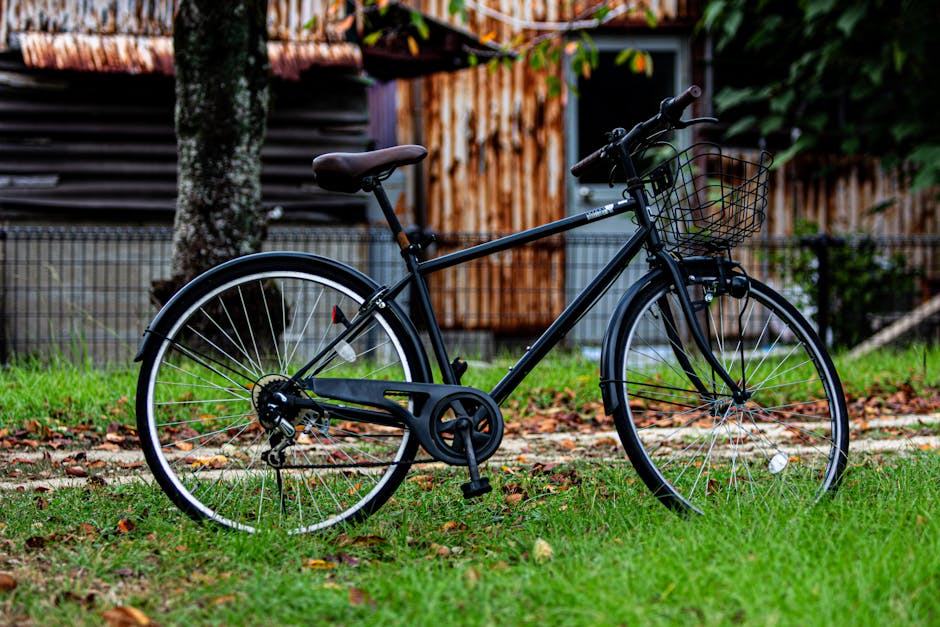
Look for e-bikes labeled as “city,” “commuter,” or “urban” models—they’re typically designed with upright geometry. Brands like Rad Power Bikes, Trek, and Gazelle offer excellent examples with adjustable stems and swept-back handlebars that promote natural arm positioning.
Adjustability: The Secret to Long-Term Comfort
Even the best-designed e-bike won’t fit perfectly out of the box. That’s why adjustability matters. A bike that allows you to fine-tune saddle height, handlebar angle, and stem length gives you the flexibility to adapt as your body changes or your riding style evolves.
Check for these adjustable features:
- Seat Post: Should have clear markings and a secure clamp. Suspension seat posts can add comfort on rough streets but may reduce pedaling efficiency.
- Stem: A shorter, adjustable stem lets you bring the handlebars closer without replacing parts.
- Handlebar Angle: Riser bars that tilt upward encourage a more relaxed arm position.
Some premium models include ergonomic grips with built-in palm support, which further reduce hand fatigue. While these may increase the price, they’re worth considering if you plan to ride more than 15 minutes at a time.
Common Posture Mistakes First-Time Buyers Make
Even with the right bike, improper setup can ruin your experience. Avoid these frequent errors:
- Seat Too High: Causes rocking at the hips and overreaching with your feet. When seated, your leg should have a slight bend (about 25–30 degrees) at the bottom of the pedal stroke.
- Handlebars Too Low: Forces you to hunch, increasing pressure on your spine and limiting breath capacity.
- Ignoring Arm Position: Your arms should be slightly bent, not locked. This acts as a natural suspension system, absorbing bumps from potholes and tram tracks.
- Wearing the Wrong Shoes: Flat-soled shoes (like sneakers) provide better pedal contact than heels or sandals, improving power transfer and stability.
Many new riders also forget to adjust their posture during the ride. Shift your weight occasionally, stretch your shoulders, and avoid gripping the handlebars too tightly—this reduces tension and prevents numbness.
How to Test Ride for Posture (Step-by-Step)
A test ride isn’t just about speed or battery life—it’s your best opportunity to assess fit. Follow this simple process:
- Check Saddle Height: Stand next to the bike. The seat should align with your hip bone. When seated, your leg should have a slight bend at full pedal extension.
- Assess Reach: With hands on the grips, your elbows should be slightly bent. You shouldn’t feel like you’re stretching or cramped.
- Evaluate Back Angle: Your back should be comfortably upright—around 45 degrees or more from horizontal. If you’re leaning forward like a road cyclist, the bike may be too aggressive.
- Ride Over Bumps: Find a section with cracks or small curbs. Notice how much vibration reaches your hands and back. Excessive shock suggests poor fit or lack of suspension.
- Stop and Start: Practice quick stops and starts. Can you maintain balance without leaning too far forward or backward?
If the shop doesn’t allow test rides, ask for a fit consultation or look for online sizing guides specific to that model.
E-Bike Types and Their Posture Implications
Different e-bike categories cater to different postures. Here’s how they compare for city use:
| E-Bike Type | Typical Posture | Best For | City Street Suitability |
|---|---|---|---|
| City/Commuter | Upright, relaxed | Daily commuting, errands | Excellent |
| Cruiser | Very upright, arms wide | Leisure rides, flat terrain | Good (if not too heavy) |
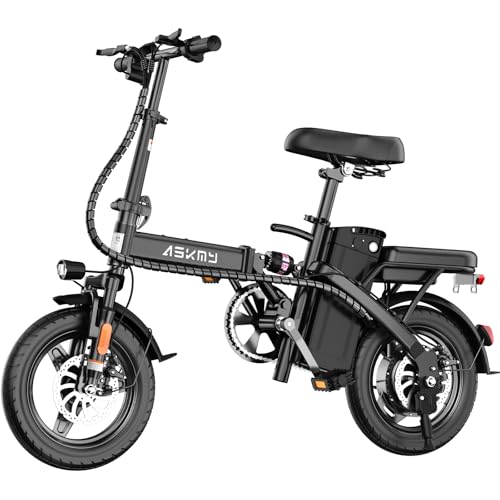
| Folding | Moderate to upright | Mixed transit, storage | Good (check reach) |
| Mountain | Forward-leaning, aggressive | Off-road trails | Poor (unless modified) |
| Road | Aggressive, low handlebars | Speed, long distances | Poor for most city riders |
For most urban riders, a city or commuter e-bike offers the best balance of comfort, control, and practicality. Folding bikes can be a smart choice if you combine riding with public transit, but ensure the handlebars aren’t too low or far forward.
Accessories That Improve Posture and Comfort
The right accessories can enhance your posture without requiring a new bike. Consider these additions:
- Padded Gloves: Reduce hand fatigue and improve grip, especially on longer rides.
- Suspension Seat Post: Absorbs road vibrations, protecting your spine from constant jolts.
- Ergonomic Grips: Contoured designs support the natural curve of your hand and reduce pressure points.
- Adjustable Stem: Allows fine-tuning of handlebar position after purchase.
- Mirror or Handlebar Phone Mount: Helps you monitor traffic without twisting your neck.
Avoid overloading your bike with heavy front baskets or bags, as this can shift your center of gravity forward and encourage slouching. If you carry gear, use a rear rack or panniers to keep weight balanced.
When to Seek Professional Help
If you have pre-existing back, neck, or joint issues, don’t rely solely on online advice or store staff. Visit a bike fitter or physical therapist familiar with cycling ergonomics. They can assess your range of motion, recommend specific adjustments, or even suggest custom components like a shorter stem or wider saddle.
Many bike shops offer professional fitting services for a fee—typically $50–$150. While it adds to your initial cost, it can prevent months of discomfort and potential injury. Think of it as an investment in your long-term riding enjoyment.
Final Checklist Before You Buy
Before handing over your credit card, run through this quick checklist:
- ✅ The bike allows an upright, relaxed posture with minimal forward lean
- ✅ Handlebars are at or above saddle height
- ✅ Saddle is level and adjustable
- ✅ You can reach the brakes and shifter comfortably without straining
- ✅ Test ride included bumps, stops, and starts
- ✅ The frame size matches your height (check manufacturer’s size chart)
- ✅ Accessories like mirrors or lights don’t force awkward positioning
If any of these points are unclear, ask the seller for clarification. A reputable dealer will prioritize your comfort and safety over a quick sale.
Conclusion
Choosing your first electric bicycle is exciting, but don’t let enthusiasm override ergonomics. The best e-bike for city streets is one that supports your body, not fights it. By focusing on posture from the start, you’ll enjoy smoother rides, fewer aches, and greater confidence in traffic. Remember: electric bicycle advice every first-time buyer should read before shopping starts with how the bike makes you feel when you’re actually riding it. Take your time, test thoroughly, and prioritize fit over flash. Your back—and your daily commute—will thank you.
FAQ
How do I know if an e-bike’s posture is right for city riding?
Look for an upright riding position with handlebars at or above seat height. During a test ride, your back should feel relaxed, not strained, and you should be able to see traffic clearly without leaning forward.
Can I adjust my e-bike’s posture after purchase?
Yes. Most e-bikes allow adjustments to saddle height, handlebar angle, and stem length. Some riders also upgrade to ergonomic grips or suspension seat posts for added comfort.
Are step-through frames better for posture?
Generally, yes. Step-through frames promote a more upright posture and are easier to mount and dismount, making them ideal for city riding, especially with frequent stops.
Related keywords: Electric bicycle advice every first-time buyer should read before shopping with a focus on posture for city streets.
