
Cycling Tips That Help Riders Stay Visible, Prepared, and Comfortable with a Focus on Efficiency for Weekend Rides Leave a comment
Cycling Tips That Help Riders Stay Visible, Prepared, and Comfortable with a Focus on Efficiency for Weekend Rides
Weekend cycling offers a perfect blend of recreation, fitness, and exploration, but enjoying your ride to the fullest depends on more than just pedaling. To make the most of your time on two wheels, it’s essential to prioritize visibility, preparedness, and comfort—all while maintaining efficiency. These cycling tips are designed to help riders of all levels stay safe, reduce fatigue, and maximize enjoyment during weekend outings. From gear choices to route planning and body positioning, small adjustments can lead to big improvements in your overall experience.
Why Visibility Matters More Than You Think
One of the most overlooked aspects of weekend cycling is visibility. Whether you’re riding at dawn, dusk, or in overcast conditions, being seen by motorists and other road users is critical. According to traffic safety data, a significant number of cycling accidents occur during low-light hours when riders blend into their surroundings. Improving your visibility doesn’t require expensive gear—just smart choices.
Start with high-visibility clothing. Bright colors like neon yellow, orange, or green stand out far better than dark tones. Reflective elements on jackets, helmets, or shoes can dramatically increase your visibility at night. Consider adding reflective ankle bands—these are especially effective because their movement catches the eye of drivers more than static reflectors.
Lighting is non-negotiable. A white front light and a red rear light are mandatory in many regions, and for good reason. Choose lights with multiple modes: a steady beam for well-lit areas and a flashing mode for higher visibility in traffic. USB-rechargeable lights are efficient and eco-friendly, eliminating the need for constant battery replacements.
Positioning also plays a role. Ride predictably and avoid weaving between lanes. Use hand signals clearly and early, giving drivers ample time to react. When possible, ride in the center of the lane on narrow roads to discourage unsafe passing.
Pre-Ride Preparation: The Foundation of an Efficient Ride
Efficiency on the road starts long before you clip in. A well-prepared rider saves time, avoids mechanical issues, and reduces stress. Begin with a pre-ride checklist that covers the essentials: tire pressure, brake function, chain lubrication, and gear shifting. A five-minute inspection can prevent a roadside breakdown that could cut your ride short.
Tire pressure is often underestimated. Underinflated tires increase rolling resistance, making pedaling harder and increasing the risk of pinch flats. Check your tire’s recommended PSI (usually printed on the sidewall) and use a reliable floor pump with a gauge. For weekend rides on mixed terrain, slightly lower pressure can improve comfort, but don’t go below the manufacturer’s minimum.
Carry a basic repair kit. At a minimum, include a spare tube, tire levers, a mini pump or CO2 inflator, and a multi-tool. If you’re riding in remote areas, consider adding a patch kit and a small first-aid kit. Knowing how to fix a flat is one thing—having the tools to do it quickly is another.
Hydration and nutrition are part of preparedness too. Even on shorter rides, dehydration can sap energy and impair judgment. Use a water bottle cage or hydration pack, and sip regularly rather than waiting until you’re thirsty. For rides over 90 minutes, bring energy gels, bars, or bananas to maintain blood sugar levels.
Comfort on the Bike: Small Adjustments, Big Results
Discomfort can turn a pleasant ride into a chore. Many cyclists blame the bike, but often the issue lies in fit or gear choices. Start with the saddle. A poorly positioned or unsuitable seat is the top cause of discomfort. Your saddle height should allow a slight bend in the knee at the bottom of the pedal stroke. If you’re rocking your hips or overextending, adjust accordingly.
Saddle tilt matters too. A level saddle is ideal for most riders, but a slight nose-down tilt can relieve pressure on sensitive areas. If discomfort persists, consider a saddle with a cutout or one designed for your riding style (e.g., endurance vs. racing).
Handlebar position affects upper body comfort. If your back is overly stretched or your wrists are strained, your reach may be too long. Adjust stem length or handlebar height to find a neutral position that supports your spine without locking your elbows.
Clothing makes a difference. Padded cycling shorts reduce friction and absorb sweat, preventing chafing. Avoid cotton—it retains moisture and can lead to irritation. Layering is key in changing weather: a moisture-wicking base layer, a breathable jersey, and a lightweight windbreaker can keep you comfortable across temperature shifts.
Efficiency Through Smart Riding Techniques
Efficiency isn’t just about speed—it’s about using energy wisely so you can ride longer and recover faster. One of the simplest ways to improve efficiency is by maintaining a steady cadence. Aim for 80–100 revolutions per minute (RPM). This reduces strain on your muscles and cardiovascular system compared to grinding in a high gear.
Use your gears effectively. Shift before you need to—don’t wait until you’re struggling on a hill. Anticipating terrain changes allows smoother transitions and conserves energy. On descents, shift to a harder gear to maintain control and reduce brake wear.
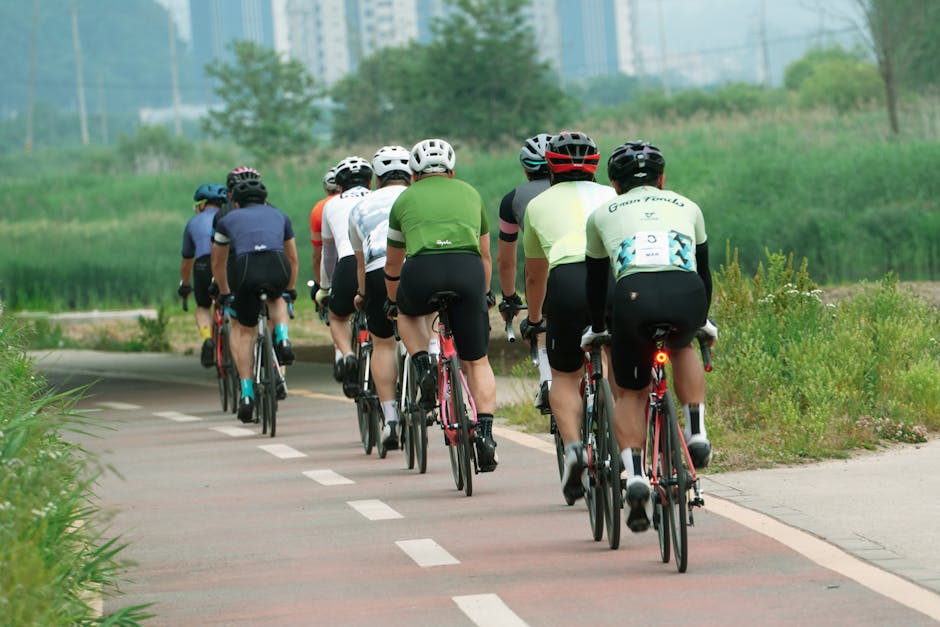
Aerodynamics play a bigger role than many realize, even at moderate speeds. Tuck your elbows in, lower your torso slightly, and keep your head up but streamlined. On flat roads, riding in a group can reduce wind resistance by up to 30%, making paceline riding a smart efficiency tactic for weekend group rides.
Cornering technique also affects efficiency. Brake before the turn, not during. Lean the bike, not your body, and look through the turn to where you want to go. Smooth, confident cornering saves energy and reduces the risk of skidding.
Route Planning for Maximum Enjoyment and Safety
Choosing the right route can make or break your weekend ride. Use mapping tools like Komoot, Ride with GPS, or Strava to find roads with lower traffic, bike lanes, or scenic paths. Avoid highways and high-speed roads unless they have dedicated cycling infrastructure.
Consider elevation gain. A hilly route may be scenic, but it demands more energy. If you’re aiming for efficiency, opt for flatter terrain or gradual climbs. Many apps allow you to filter routes by elevation, helping you match the ride to your fitness level and goals.
Check the weather forecast. Wind can drastically affect your effort—riding into a headwind feels like climbing a hill. If possible, plan your route so that strong winds are at your back on the return leg. Rain not only reduces visibility but also increases stopping distance and the risk of mechanical issues.
Share your route with someone. Let a friend or family member know your planned path and expected return time. This simple step adds a layer of safety, especially on remote rides.
Post-Ride Recovery and Maintenance
Efficiency extends beyond the ride itself. How you recover and maintain your bike impacts your readiness for the next outing. After each ride, wipe down your frame and drivetrain to remove dirt and moisture. A clean chain lasts longer and shifts more smoothly.
Lubricate the chain every few rides or after wet conditions. Use a bike-specific lubricant—wet lube for rainy climates, dry lube for dry, dusty environments. Apply sparingly and wipe off excess to avoid attracting grime.
Stretch after your ride. Focus on hamstrings, quads, hip flexors, and lower back. Holding each stretch for 20–30 seconds can reduce soreness and improve flexibility over time.
Refuel within 45 minutes of finishing. A mix of protein and carbohydrates helps repair muscles and replenish glycogen stores. Chocolate milk, a banana with peanut butter, or a recovery shake are convenient options.
Common Mistakes to Avoid
Even experienced riders make avoidable errors. One common mistake is overpacking. While it’s good to be prepared, carrying unnecessary weight slows you down and increases fatigue. Stick to essentials and use lightweight gear.
Ignoring pain is another pitfall. Sore muscles are normal, but sharp or persistent pain—especially in the knees, back, or neck—could signal a fit issue or overuse. Address it early to prevent injury.
Skipping warm-ups and cool-downs reduces efficiency and increases injury risk. Spend 5–10 minutes before your ride doing dynamic stretches or easy spinning. Afterward, pedal slowly to bring your heart rate down gradually.
Final Thoughts on Weekend Cycling Efficiency
Staying visible, prepared, and comfortable doesn’t require overhauling your entire setup. Small, consistent improvements in gear, technique, and planning lead to more enjoyable and efficient weekend rides. By focusing on these cycling tips, you’ll spend less time troubleshooting and more time enjoying the journey.
Remember, the goal isn’t perfection—it’s progress. Whether you’re commuting, training, or exploring, prioritizing safety and comfort ensures that every ride is a positive experience. With the right habits, your weekend rides can become a reliable source of fitness, relaxation, and connection with the outdoors.
FAQ
Q: What’s the most important piece of safety gear for weekend cycling?
A: A properly fitted helmet is essential, but visibility gear—like lights and reflective clothing—is equally critical, especially during low-light conditions.
Q: How often should I check my tire pressure?
A: Check tire pressure before every ride. Tires naturally lose air over time, and correct pressure improves efficiency and reduces the risk of flats.
Q: Can I use regular clothes for short weekend rides?
A: While possible, padded cycling shorts and moisture-wicking jerseys significantly improve comfort and reduce chafing, even on rides under two hours.
