

Cycling Tips That Help Riders Stay Visible, Prepared, and Comfortable on City Streets Leave a comment
Cycling Tips That Help Riders Stay Visible, Prepared, and Comfortable on City Streets
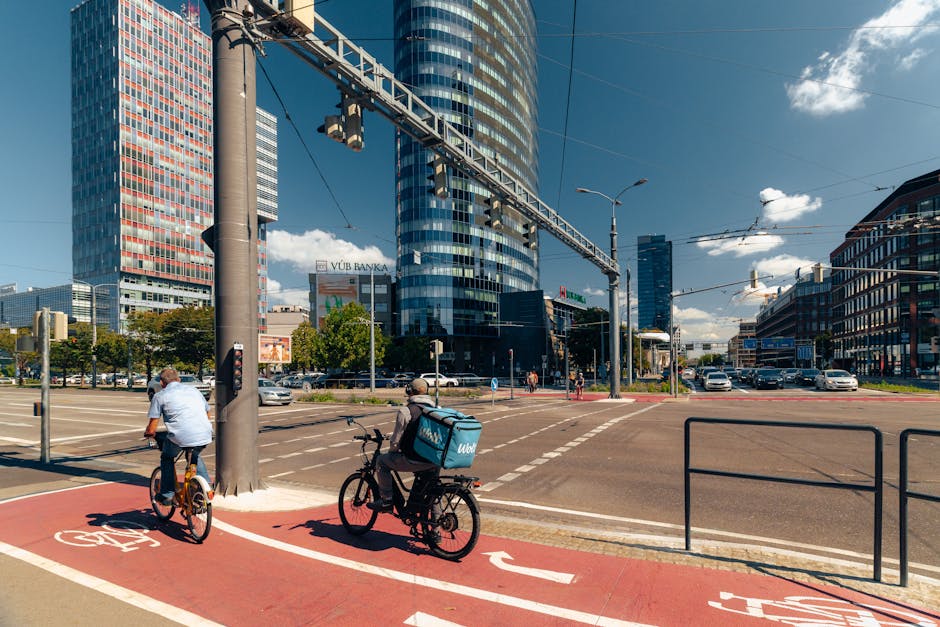
Urban cycling presents unique challenges—busy traffic, unpredictable weather, and limited bike infrastructure—but with the right approach, riders can navigate city streets safely and confidently. The most effective cycling tips that help riders stay visible, prepared, and comfortable focus on three core areas: visibility to motorists and pedestrians, readiness for changing conditions, and physical comfort over varying distances. Whether commuting daily or exploring the city on weekends, applying these practical strategies ensures a smoother, safer ride. From choosing the right gear to planning efficient routes, small adjustments make a big difference in both safety and enjoyment.
Boost Visibility: Be Seen Before You’re Heard
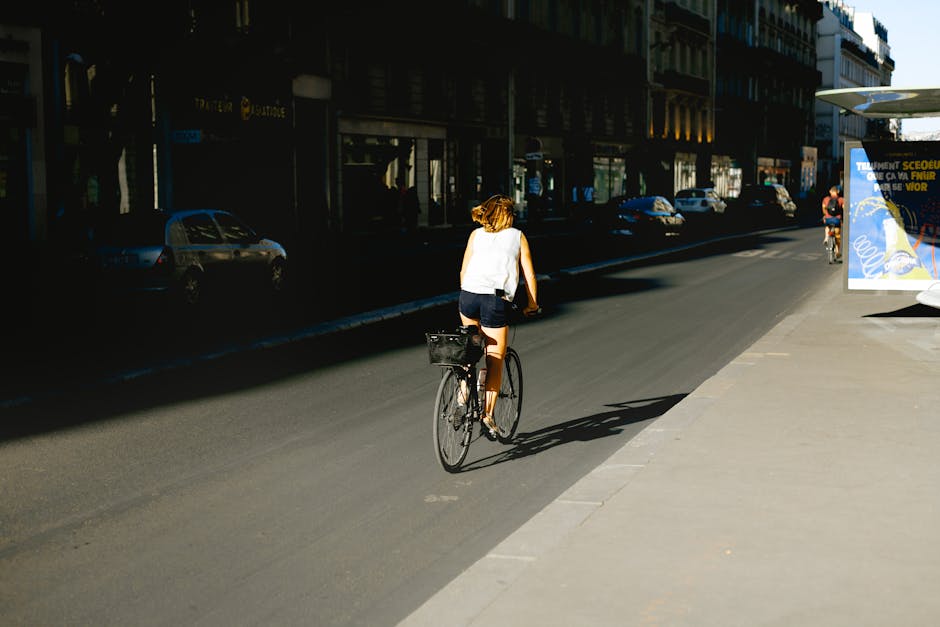
One of the biggest risks for city cyclists is being overlooked by drivers, especially at intersections, in blind spots, or during low-light conditions. Visibility isn’t just about wearing bright colors—it’s about creating a consistent, predictable presence on the road.
Use Front and Rear Lighting Strategically
Even during daylight, front and rear lights significantly increase your detectability. A steady white front light and a blinking red rear light are standard, but consider adding side visibility with spoke lights or reflective wheel tape. In fog or rain, use a brighter beam (500+ lumens) and switch to a steady mode to avoid confusing other road users.
Wear High-Visibility Clothing and Accessories
Fluorescent yellow, orange, or lime green jackets or vests stand out in urban environments better than darker tones. Pair these with reflective strips on sleeves, backpack straps, or shoes. For night riding, retroreflective materials that bounce light back to its source (like car headlights) are far more effective than simple reflective patches.
Position Yourself Clearly in Traffic
Avoid riding in drivers’ blind spots. When approaching intersections, move slightly into the lane to make your presence known—this is called “taking the lane” and is legal in most jurisdictions when necessary for safety. Signal turns early and maintain a straight line when possible to appear predictable.
Stay Prepared: Gear and Planning for Urban Conditions
City streets demand adaptability. Potholes, sudden rain, construction detours, and crowded sidewalks can disrupt even the best-planned ride. Being prepared means anticipating these variables and having solutions ready.
Carry Essential Tools and Spares
At a minimum, every rider should carry a mini pump or CO₂ inflator, a spare tube, tire levers, and a multi-tool. A patch kit is a lightweight backup, but a full spare tube is faster for on-the-go repairs. Practice changing a tube in your garage so you’re not fumbling on a busy sidewalk.
Use Panniers or a Backpack with Weather Protection
For longer commutes or grocery runs, panniers mounted on a rear rack keep weight low and balanced. If using a backpack, choose one with a waterproof cover or pack items in a dry bag. Avoid overloading—shifting weight can affect handling, especially on uneven pavement.
Check Your Bike Before Every Ride
A quick pre-ride check takes less than two minutes but prevents most mechanical issues. Use the ABC method: Air (tire pressure), Brakes (squeeze to test responsiveness), and Chain (lubricated and clean). Worn brake pads or loose bolts can turn a routine ride into a hazard.
Maximize Comfort: Ride Longer Without Fatigue
Discomfort leads to distraction, and distraction increases risk. Whether you’re riding five blocks or five miles, comfort directly impacts your focus and control.
Adjust Your Bike Fit
An improperly fitted bike causes strain in the back, neck, wrists, or knees. Key adjustments include saddle height (leg should be nearly straight at the bottom of the pedal stroke), handlebar reach (shoulders relaxed, slight bend in elbows), and saddle angle (level or slightly tilted down). Many bike shops offer free fit consultations.
Choose the Right Tires
Wider tires (28–32mm) with moderate tread offer better cushioning and grip on rough city pavement than narrow racing tires. Tubeless setups or tires with puncture-resistant belts (like Schwalbe’s Marathon series) reduce flats from glass and debris common in urban areas.
Wear Padded Shorts and Gloves
Even short rides benefit from padded cycling shorts, which reduce chafing and absorb vibration. Full-finger gloves improve grip and protect hands in case of a fall. For colder months, thermal versions keep circulation steady without restricting movement.
Navigate City Streets with Confidence
Knowing where and how to ride makes all the difference. City cycling isn’t just about endurance—it’s about smart route selection and situational awareness.
Choose Routes with Bike Lanes or Low Traffic
Use apps like Google Maps (set to ‘bicycle’ mode) or Komoot to find routes with protected bike lanes, bike paths, or quieter side streets. Avoid high-speed arterials when possible. A slightly longer route with fewer stops and less congestion often feels faster and safer.
Anticipate Common Hazards
Watch for opening car doors (“dooring”), pedestrians stepping off curbs, and delivery vehicles double-parked in bike lanes. Scan ahead constantly—your eyes should be 10–15 seconds ahead of your position. Use mirrors (handlebar or helmet-mounted) to monitor traffic without turning your head.
Follow Traffic Rules Consistently
Obey traffic signals, stop signs, and lane markings just like motor vehicles. Running red lights or weaving through traffic may save seconds but dramatically increases collision risk. Predictability builds trust with drivers and pedestrians.
Maintain Your Bike for Reliable Performance
A well-maintained bike is safer, more efficient, and more enjoyable to ride. Urban environments expose bikes to grime, moisture, and frequent stops, accelerating wear.
Clean and Lubricate the Chain Regularly
Wipe down the chain weekly with a degreaser and apply bike-specific lubricant. A clean chain shifts better and lasts longer. Avoid WD-40—it’s a solvent, not a lubricant, and attracts dirt.
Inspect Brakes and Tires Monthly
Check brake pad thickness—replace if less than 1mm remains. Look for cuts, bulges, or embedded debris in tires. Rotate tires if one shows more wear than the other, especially if you frequently brake hard on one side.
Keep Bolts and Connections Tight
Vibration from city riding can loosen stem bolts, seat posts, and rack mounts. Use a torque wrench for critical components to avoid over-tightening carbon parts. A quarterly check prevents surprises mid-ride.
FAQ
What’s the most important piece of safety gear for city cycling?
A properly fitted helmet is essential, but equally important are front and rear lights—even during the day. Visibility is the top factor in preventing collisions with vehicles.
How can I stay comfortable on short city rides?
Start with a correctly adjusted saddle and handlebars. Wear padded gloves and breathable clothing. Even 10-minute rides benefit from ergonomic positioning and moisture-wicking fabrics.
Should I use clipless pedals for commuting?
Clipless pedals improve pedaling efficiency and control, but flat pedals with grippy shoes are safer for stop-and-go traffic. Choose based on your route’s stop frequency and personal comfort.
By integrating these cycling tips that help riders stay visible, prepared, and comfortable, urban cyclists can reduce risks and enjoy smoother, more confident rides. Visibility, preparation, and comfort aren’t optional extras—they’re foundational to safe city cycling. Start with one or two changes, like adding lights or checking tire pressure, and build from there. Over time, these habits become second nature, making every trip more predictable and less stressful.
Related keywords: Cycling tips that help riders stay visible, prepared, and comfortable with a focus on range for city streets.
