
Cycling Tips That Help Riders Stay Visible, Prepared, and Comfortable for Weekend Rides Leave a comment
Cycling Tips That Help Riders Stay Visible, Prepared, and Comfortable for Weekend Rides
Whether you’re cruising through country lanes or navigating city streets, these cycling tips that help riders stay visible, prepared, and comfortable are essential for safe and enjoyable weekend rides. From choosing the right gear to planning your route, small adjustments can make a big difference in your experience. This guide covers practical strategies to boost visibility, pack smart, and maintain comfort over longer distances—so you can focus on the ride, not the roadblocks.
Why Visibility Matters on Weekend Rides
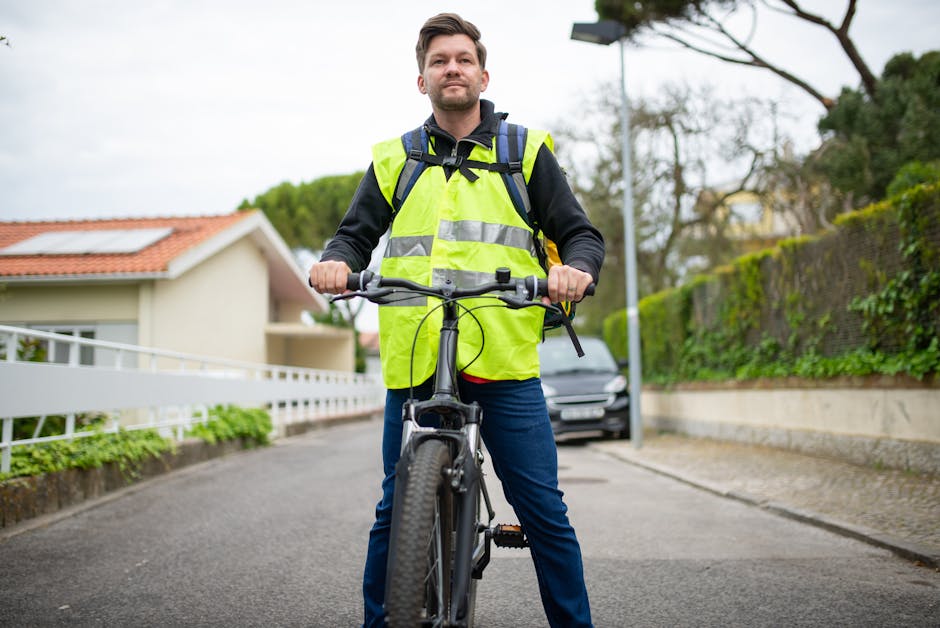
Weekend rides often take place during peak traffic hours or in low-light conditions, especially in early mornings or late afternoons. Being seen by drivers, pedestrians, and other cyclists is the first line of defense against accidents. According to road safety data, a significant number of cycling incidents occur due to poor visibility, even in daylight.
Start with high-visibility clothing in bright colors like neon yellow, orange, or green. Avoid dark or muted tones, especially on overcast days. Reflective strips on jackets, helmets, and bike frames add another layer of safety. For night or dawn rides, front white lights and rear red lights are not optional—they’re mandatory in most regions and can be lifesavers.
Consider adding reflective ankle bands or wheel reflectors. These move with your motion, catching drivers’ attention more effectively than static reflectors. A simple tip: if you can’t see your own bike in the dark from 50 feet away, it’s not visible enough.
Essential Gear for Comfort and Preparedness
Comfort directly affects how far and how often you ride. A poorly fitted bike or inadequate gear can turn a pleasant outing into a painful ordeal. Start with a properly adjusted saddle height—your leg should have a slight bend at the bottom of the pedal stroke. Handlebar height and reach should allow a relaxed upper body posture, reducing strain on your back and shoulders.
Invest in padded cycling shorts. Unlike regular athletic wear, they’re designed to reduce chafing and absorb moisture during long rides. Pair them with a breathable jersey that wicks sweat and has rear pockets for storage. For cooler weather, layer with a lightweight windbreaker that’s easy to stow.
Don’t forget gloves. They improve grip, protect your hands in a fall, and reduce numbness on bumpy terrain. Sunglasses with UV protection shield your eyes from wind, debris, and glare—especially important on open roads.
Must-Have Items in Your Ride Kit
- Mini pump or CO₂ inflator – For fixing flat tires quickly
- Spare tube and tire levers – Match the tube to your tire size (e.g., 700x25c)
- Multi-tool with hex keys – For on-the-go adjustments
- Phone mount and portable charger – For navigation and emergencies
- Water bottle or hydration pack – Aim for at least 500ml per hour of riding
Store these in a small saddle bag or frame-mounted pack. Keep your phone accessible but secure—avoid loose pockets that can lead to drops.
Planning Your Route for Maximum Range and Safety
Weekend rides are about enjoyment, not just distance. But pushing your range without preparation can lead to fatigue or getting stranded. Use mapping tools like Google Maps (cycling layer), Komoot, or Strava to find bike-friendly routes with minimal traffic and good road conditions.
Look for routes with bike lanes, low-speed limits, and frequent rest stops. Avoid highways and busy arterials unless they have protected cycling infrastructure. If you’re exploring a new area, download offline maps in case of poor signal.
Estimate your range based on fitness and terrain. A flat 30-mile ride may take 2–2.5 hours for a moderate rider, while hilly terrain could cut that distance in half. Always add 10–15% buffer time for stops, mechanical issues, or unexpected delays.
Share your route with someone before you leave. Let them know your expected return time. This simple step can be critical if something goes wrong.
Staying Comfortable Over Longer Distances
Discomfort often builds gradually. Numb hands, sore knees, or a stiff neck can ruin an otherwise great ride. Address these issues proactively.
Shift your hand positions frequently on the handlebars—use the hoods, drops, and tops to vary pressure. Every 15–20 minutes, stand on the pedals for 10–15 seconds to relieve pressure on your sit bones and improve circulation.
Hydration and nutrition are equally important. Drink water regularly, even if you don’t feel thirsty. For rides over 90 minutes, consider an electrolyte drink or energy gel. Pack snacks like bananas, nuts, or granola bars—easily digestible and compact.
Check your bike before each ride. Ensure tires are properly inflated (check the sidewall for PSI range), brakes are responsive, and the chain is clean and lubricated. A well-maintained bike reduces the risk of mechanical failure and improves efficiency.
Weather Considerations and Seasonal Adjustments
Weather can change quickly, especially in spring and fall. Check the forecast the night before and the morning of your ride. A sudden downpour or temperature drop can catch unprepared riders off guard.
In hot weather, ride early to avoid peak heat. Wear light-colored, loose-fitting clothing and apply sunscreen to exposed skin. In cold conditions, layer strategically: a moisture-wicking base layer, insulating mid-layer, and wind-resistant outer shell. Cover extremities—fingers, ears, and toes lose heat fastest.
Wet conditions require extra caution. Reduce speed on turns, increase following distance, and avoid painted road markings and metal surfaces, which become slippery when wet. Use fenders to keep water and mud off you and your bike.
Group Riding Etiquette and Safety
Weekend rides are often social. Riding in a group can be motivating and fun, but it requires coordination. Ride in a single file or staggered formation on narrow roads, and always signal turns and stops with hand signals or verbal cues.
Maintain a safe distance—about one bike length between riders. Avoid sudden braking or swerving. If you’re leading, call out hazards like potholes, gravel, or parked cars. Rotate the lead position on long rides to share the effort of cutting through wind resistance.
Respect traffic laws and other road users. Stop at red lights, yield when required, and avoid sidewalk riding where prohibited. Being predictable and courteous builds trust with drivers and other cyclists.
Post-Ride Recovery and Bike Maintenance
After your ride, take time to cool down with light stretching, especially for your hamstrings, quads, and lower back. Rehydrate and eat a balanced meal with protein and carbohydrates within an hour to aid recovery.
Clean your bike after muddy or wet rides. Wipe down the frame, rinse the drivetrain, and dry thoroughly to prevent rust. Re-lubricate the chain and check tire pressure before your next outing.
Log your ride in a journal or app. Note distance, time, weather, and how you felt. Over time, this helps you track progress and identify patterns—like which routes you enjoy most or when you need more training.
Final Thoughts: Ride Smart, Ride Safe
These cycling tips that help riders stay visible, prepared, and comfortable are designed to enhance your weekend rides without overcomplicating them. The goal isn’t perfection—it’s consistency and confidence. With the right preparation, every ride becomes an opportunity to explore, exercise, and enjoy the open road.
Start small. Pick one or two tips to implement on your next ride, like adding lights or packing a repair kit. Over time, these habits will become second nature, extending your range and deepening your enjoyment.
FAQ
How can I make my bike more visible at night?
Use a bright front white light (at least 200 lumens) and a flashing rear red light. Wear reflective clothing and add reflective tape to your helmet, pedals, and wheels. Motion-activated lights on ankles or shoes can also increase visibility.
What should I pack for a 30-mile weekend ride?
Essentials include a spare tube, tire levers, mini pump, multi-tool, water (at least two bottles), snacks, phone with charger, and a basic first-aid kit. Wear padded shorts and bring a lightweight jacket in case of weather changes.
How do I prevent soreness on long rides?
Ensure your bike fits properly, shift hand and body positions regularly, stay hydrated, and take short breaks. Stretching after the ride and using padded gear also reduce discomfort.
Related keywords: Cycling tips that help riders stay visible, prepared, and comfortable with a focus on range for weekend rides.
