
Cycling Tips That Help Riders Stay Visible, Prepared, and Comfortable for Maximum Efficiency Leave a comment
Cycling Tips That Help Riders Stay Visible, Prepared, and Comfortable for Maximum Efficiency
New cyclists often focus on the bike itself—gears, brakes, and frame—while overlooking the essentials that make every ride safer and more efficient. Cycling tips that help riders stay visible, prepared, and comfortable are not just about convenience; they directly impact your safety, endurance, and overall enjoyment. Whether you’re commuting to work, exploring local trails, or building fitness, these practical strategies ensure you ride smarter from day one. Prioritizing visibility, proper gear, and physical comfort reduces fatigue, prevents accidents, and helps you maintain steady progress on every journey.
Why Visibility Is Non-Negotiable for New Cyclists
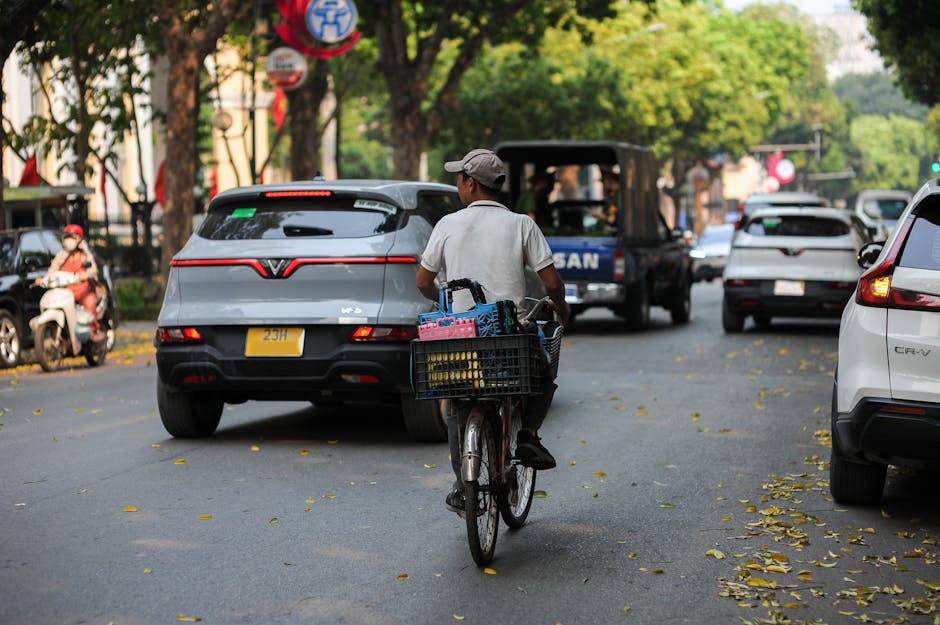
Being seen is the first line of defense against accidents. Many collisions involving cyclists happen because drivers simply don’t notice them in time. New riders are especially vulnerable due to unpredictable movements or lack of experience in traffic.
Use Lights and Reflective Gear Day and Night
Even on sunny days, a front white light and rear red light significantly increase your visibility. Choose lights with a steady and flashing mode—flashing is more attention-grabbing at intersections, while steady is better for consistent illumination on dark roads. Attach reflective tape to your bike frame, pedals, and helmet. Consider wearing a reflective vest or jacket, especially during dawn, dusk, or overcast conditions.
Wear Bright, High-Contrast Clothing
Neon yellow, orange, or lime green clothing stands out against most backgrounds. Avoid dark colors like black, navy, or gray, which blend into shadows and pavement. Pair bright tops with light-colored pants or shorts. For added safety, choose apparel with built-in reflective elements.
Position Yourself Strategically in Traffic
Ride in the center of the lane (also called “taking the lane”) when roads are narrow or parked cars create blind spots. This prevents drivers from attempting unsafe passes. Make eye contact with drivers at intersections and use hand signals clearly and early. Always assume that drivers may not see you—even if they appear to.
Preparation: The Foundation of Efficient Cycling
Efficiency isn’t just about speed—it’s about minimizing delays, avoiding breakdowns, and riding with confidence. A well-prepared cyclist spends less time fixing problems and more time enjoying the ride.
Perform a Pre-Ride Bike Check
Spend two minutes before each ride ensuring your bike is road-ready. Use the “ABC” checklist:
- Air: Check tire pressure with a gauge. Underinflated tires increase rolling resistance and risk pinch flats. Most tires list recommended PSI on the sidewall.
- Brakes: Squeeze brake levers. They should engage firmly without touching the handlebars. Inspect brake pads for wear and alignment.
- Chain: Ensure the chain is clean and lubricated. A dry or dirty chain slows shifting and increases wear on drivetrain components.
Carry a Basic Repair Kit
Even short rides can turn frustrating with a flat tire or loose bolt. Keep these essentials in a saddlebag or backpack:
- Tire levers and a spare tube (or puncture repair kit)
- Mini pump or CO₂ inflator
- Multi-tool with Allen keys and a chain breaker
- Quick-link for chain repairs
- Small flashlight or headlamp
Knowing how to fix a flat or adjust your seat mid-ride saves time and stress. Practice these skills at home before you need them on the road.
Plan Your Route in Advance
Use mapping apps like Google Maps (set to cycling mode) or Komoot to find bike-friendly paths, avoid steep hills, and identify rest stops. Note traffic patterns—early mornings and late afternoons often have heavier vehicle volume. For longer rides, identify locations of bike shops or public restrooms along the way.
Comfort: The Key to Longer, More Enjoyable Rides
Discomfort leads to early fatigue and discourages consistent cycling. Addressing fit, clothing, and posture makes a noticeable difference in how far and how often you ride.
Ensure Your Bike Fits Properly
A poorly fitted bike causes pain in the back, neck, hands, and knees. Key adjustments include:
- Saddle height: When seated, your leg should be nearly straight at the bottom of the pedal stroke, with a slight bend in the knee.
- Saddle position: Adjust forward or backward so your knee is directly over the pedal spindle when the crank is horizontal.
- Handlebar height: Higher bars reduce strain on the back and shoulders—ideal for beginners or casual riders.
Visit a local bike shop for a professional fitting if you experience persistent discomfort. Even small tweaks can prevent long-term issues.
Invest in Padded Cycling Shorts
Regular gym shorts may seem fine for short rides, but padded cycling shorts (with a chamois liner) reduce friction and absorb shock. They’re designed to be worn without underwear and wick moisture away from the skin. For longer rides, they’re a game-changer in preventing saddle sores and chafing.
Use Gloves and Eye Protection
Cycling gloves cushion your hands, improve grip, and protect against road rash in a fall. Full-finger gloves offer more protection in cooler weather. Sunglasses or clear lenses shield your eyes from wind, dust, insects, and UV rays—critical for maintaining focus and comfort over time.
Efficiency Tips for Smoother, Faster Rides
Efficiency means doing more with less effort. These techniques help new cyclists build endurance and confidence without overexertion.
Maintain a Steady Cadence
Aim for a pedaling rhythm of 70–90 revolutions per minute (RPM). This reduces strain on your legs and improves cardiovascular efficiency. Use lower gears on hills and shift early to avoid grinding. A cadence sensor can help you monitor and improve your rhythm over time.
Draft When Appropriate
Riding closely behind another cyclist (drafting) can reduce wind resistance by up to 30%, making group rides less tiring. Only draft in organized group rides or with trusted partners—never on busy roads or without communication. Maintain a safe distance (about one bike length) and match the leader’s speed.
Optimize Your Gear Shifting
Shift gears before you need to—before starting uphill or into a headwind. Anticipating resistance prevents sudden strain on your legs and drivetrain. Avoid cross-chaining (using the big chainring with the largest rear cog, or vice versa), which increases wear and reduces efficiency.
Stay Hydrated and Fueled
Even on short rides, dehydration affects performance. Carry water in a bottle cage or hydration pack. For rides over 60 minutes, bring snacks like energy bars, bananas, or electrolyte tablets. Eating small amounts every 30–45 minutes maintains energy levels better than waiting until you’re hungry.
Common Mistakes New Cyclists Should Avoid
Learning from others’ missteps accelerates your progress. Watch out for these frequent errors:
- Ignoring traffic rules: Running red lights or stop signs increases collision risk. Obey signals, ride in the same direction as traffic, and use bike lanes when available.
- Overestimating ability: Starting with 20-mile rides when you’re used to 5 can lead to burnout or injury. Gradually increase distance and intensity.
- Neglecting maintenance: A squeaky chain or wobbly wheel isn’t just annoying—it can lead to mechanical failure. Clean and inspect your bike weekly.
- Riding without a helmet: Head injuries are the leading cause of cycling fatalities. Always wear a properly fitted helmet, even on short trips.
Building a Sustainable Cycling Routine
Consistency matters more than intensity. Start with 2–3 short rides per week (20–30 minutes) and gradually increase duration and frequency. Track your progress with a simple journal or app to stay motivated. Join local cycling groups or online communities for support and route ideas. Celebrate small wins—like completing your first hill climb or fixing a flat without help.
Final Thoughts
Cycling tips that help riders stay visible, prepared, and comfortable form the foundation of safe and efficient riding. By focusing on these core areas, new cyclists build confidence, reduce risks, and enjoy longer, more rewarding rides. Visibility keeps you safe, preparation prevents delays, and comfort sustains your effort. Combine these elements with smart riding habits, and you’ll transform cycling from a chore into a reliable, enjoyable part of your lifestyle.
FAQ
What’s the most important safety gear for new cyclists?
A helmet is essential, but equally important are front and rear lights, reflective clothing, and a bell or horn to alert others. These items significantly increase your visibility and ability to communicate on the road.
How often should I maintain my bike?
Perform a quick pre-ride check before every trip. Do a deeper cleaning and lubrication every 2–4 weeks, depending on usage. Have a professional tune-up at least once a year.
Can I use a regular backpack for cycling?
Yes, but it can cause back sweat and discomfort on longer rides. A lightweight, ventilated backpack or a rear rack with panniers distributes weight better and improves airflow.
Related keywords: Cycling tips that help riders stay visible, prepared, and comfortable with a focus on efficiency for new cyclists.
