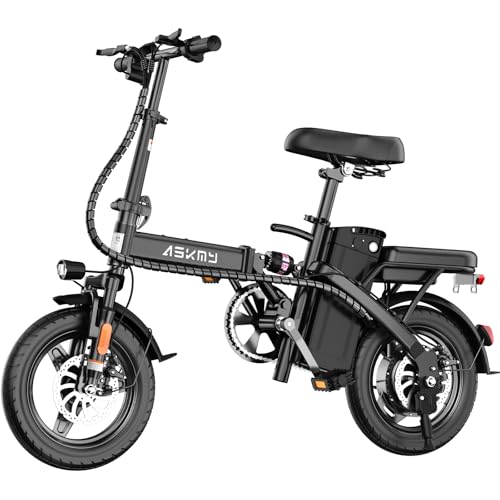


Complete Bicycle Buying Guide for Choosing the Right Electric Bicycle for Budget-Conscious Cyclists with a Focus on Fit for Daily Commuting Leave a comment
Complete Bicycle Buying Guide for Choosing the Right Electric Bicycle for Budget-Conscious Cyclists with a Focus on Fit for Daily Commuting
If you’re looking for an affordable electric bicycle that fits your daily commute, this complete bicycle buying guide will help you make a smart, practical choice. Electric bikes (e-bikes) offer a cost-effective, eco-friendly alternative to cars and public transit, especially for urban and suburban commuters. But with so many models, features, and price points, finding the right e-bike on a budget can feel overwhelming. This guide walks you through essential factors—from motor type and battery life to frame fit and commuting-specific features—so you can confidently choose an e-bike that meets your needs without overspending.

Why an Electric Bicycle Makes Sense for Daily Commuting
Daily commuting by e-bike combines convenience, health benefits, and environmental responsibility. Unlike traditional bicycles, e-bikes provide pedal assistance, making it easier to cover longer distances, tackle hills, and arrive at work without breaking a sweat. For budget-conscious riders, the long-term savings are significant: no fuel costs, minimal maintenance, and often no need for parking fees or transit passes.
Modern e-bikes are designed with commuters in mind. Many include integrated lights, fenders, rear racks, and chain guards—features that enhance safety and practicality. With average commuting distances in the U.S. under 10 miles one way, most mid-range e-bikes can handle the round trip on a single charge, especially when using lower assist levels.
Key Features to Prioritize in a Budget E-Bike
When shopping for an electric bicycle on a budget, it’s important to focus on value, not just the lowest price. A cheap e-bike that breaks down frequently or doesn’t fit properly will cost more in repairs and frustration. Here are the most important features to consider:
- Battery Range: Look for at least 30–40 miles of range under mixed riding conditions. This ensures you can complete your commute and run errands without recharging daily.
- Motor Power: A 250W to 500W rear hub or mid-drive motor is sufficient for city commuting. Mid-drive motors offer better balance and efficiency but are typically more expensive.
- Frame Material: Aluminum frames are lightweight, rust-resistant, and common in budget-friendly models. Steel is durable but heavier.
- Brakes: Mechanical disc brakes are standard on most commuter e-bikes and offer reliable stopping power. Hydraulic discs are better but often add cost.
- Tires: Wider tires (1.75” to 2.2”) provide better stability and comfort on rough roads. Puncture-resistant tires reduce maintenance headaches.
- Weight: Aim for under 50 pounds if you need to carry the bike upstairs or load it onto public transit.
Finding the Right Fit: Why Size and Geometry Matter
A well-fitting e-bike improves comfort, control, and efficiency—especially on daily rides. Unlike cars, bicycles don’t come in standard sizes, so choosing the right frame size is critical. Most manufacturers provide size charts based on rider height, but geometry also plays a role.
For commuting, a more upright riding position reduces strain on your back and neck. Step-through frames are popular among commuters for easy mounting and dismounting, especially when wearing work clothes or carrying bags. If you’re between sizes, opt for the smaller frame if you prioritize maneuverability, or the larger one for a more stretched-out, sporty feel.
Test riding is ideal, but if that’s not possible, use online fit calculators and check reviews for feedback on comfort. Adjustable stems and seat posts can help fine-tune fit, but they can’t compensate for a fundamentally wrong frame size.
How to Measure for the Right E-Bike Frame
- Stand against a wall and measure your inseam (from floor to crotch).
- Compare your height and inseam to the manufacturer’s size chart.
- Check standover height—you should have at least 1–2 inches of clearance when standing over the top tube.
- Consider reach: if the handlebars feel too far, you may need a shorter stem or a different frame.
Budget-Friendly E-Bike Options for Commuters
You don’t need to spend over $2,000 to get a reliable commuter e-bike. Several models under $1,500 offer excellent value. Here are three well-reviewed options that balance price, performance, and practicality:
| Model | Price | Range | Motor | Weight | Best For |
|---|---|---|---|---|---|
| Rad Power Bikes RadCity 5 Plus | $1,499 | 45+ miles | 750W rear hub | 63 lbs | Longer commutes, cargo hauling |
| Aventon Pace 350 | $1,199 | 40 miles | 350W rear hub | 46 lbs | Lightweight, urban riding |
| Juiced CrossCurrent X | $1,399 | 50+ miles | 750W rear hub | 58 lbs | Hilly terrain, fast commutes |
These models include essential commuter features like integrated lights, fenders, and rear racks. The RadCity and Juiced CrossCurrent offer higher power for hilly areas, while the Aventon Pace 350 is ideal for flat city riding and easy transport.
Understanding E-Bike Classes and Local Laws
In the U.S., e-bikes are classified into three categories based on speed and motor assistance:
- Class 1: Pedal-assist only, up to 20 mph. No throttle.
- Class 2: Throttle-assisted up to 20 mph.
- Class 3: Pedal-assist up to 28 mph. Often requires a helmet and may be restricted from bike paths.
Most commuter e-bikes are Class 1 or Class 2. Class 1 is widely allowed on bike lanes and trails, making it a safe choice for city riders. Check your local regulations—some cities restrict Class 3 e-bikes or require registration.
Speed isn’t everything. For daily commuting, consistency and reliability matter more than top speed. A Class 1 e-bike with strong mid-range torque will get you to work efficiently without legal complications.
Battery Life and Charging: What to Expect
Battery performance is one of the biggest concerns for new e-bike buyers. Most budget e-bikes use lithium-ion batteries with capacities between 360Wh and 672Wh. Here’s what affects range:
- Assist Level: Using eco or low assist can double your range compared to turbo mode.
- Terrain: Hills and headwinds drain the battery faster.
- Rider Weight: Heavier riders or loaded bikes reduce range.
- Tire Pressure: Under-inflated tires increase rolling resistance.
Charging typically takes 4–6 hours. Many riders charge at work or overnight. Removable batteries are convenient but add cost. If your model has a fixed battery, ensure you can bring the charger to your destination or have access to an outlet at home.
Avoid fully draining the battery regularly. Lithium-ion batteries last longest when kept between 20% and 80% charge. Most e-bikes have indicators or apps to monitor battery health.
Maintenance Tips to Extend Your E-Bike’s Life
E-bikes require more maintenance than regular bikes due to the motor and battery, but routine care is straightforward and affordable:
- Check tire pressure weekly—low pressure wears tires and drains the battery.
- Lubricate the chain every 100–200 miles to prevent rust and wear.
- Inspect brake pads monthly; replace when worn to less than 1mm.
- Keep the battery cool and dry; avoid leaving it in direct sunlight or freezing temperatures.
- Clean the bike regularly with mild soap and water—avoid high-pressure hoses near electrical components.
Most issues can be handled with basic tools. For motor or battery problems, contact the manufacturer or a certified e-bike technician. Many brands offer warranties covering 1–2 years on the battery and motor.
Accessories That Improve the Commuting Experience
A few well-chosen accessories can make your daily ride safer and more convenient:
- Panniers or Rear Rack Bags: Carry laptops, lunches, or groceries without a backpack.
- U-Lock or Heavy Chain: Protect your investment from theft—e-bikes are high-value targets.
- Helmet with Integrated Light: Increases visibility and safety, especially in low-light conditions.
- Phone Mount: For navigation without fumbling with your pocket.
- Mirror: Improves awareness of traffic behind you.
Invest in quality locks and lights—cheap alternatives often fail when you need them most. Many commuters also appreciate a small tire pump and puncture repair kit for emergencies.
Avoiding Common E-Bike Buying Mistakes
Even with research, it’s easy to make missteps. Here are three common pitfalls and how to avoid them:
- Ignoring Fit: A bike that doesn’t fit causes discomfort and reduces control. Always check size charts and, if possible, test ride.
- Overlooking Total Cost of Ownership: Factor in accessories, maintenance, and potential repairs. A $1,200 bike with poor support may cost more long-term than a $1,500 model with a strong warranty.
- Choosing Based on Power Alone: A 750W motor sounds impressive, but it drains the battery faster and may be overkill for flat city streets. Match motor power to your terrain.
Also, be wary of ultra-cheap e-bikes from unknown brands. They often use low-quality batteries and motors that fail prematurely. Stick to reputable manufacturers with customer support and warranty coverage.
Final Thoughts: Making the Right Choice for Your Commute
Choosing the right electric bicycle doesn’t have to be complicated or expensive. By focusing on fit, essential features, and real-world commuting needs, you can find a reliable e-bike that fits your budget and lifestyle. Prioritize range, comfort, and practicality over flashy specs. A well-chosen e-bike will save you money, reduce stress, and make your daily commute something to look forward to.
This complete bicycle buying guide has covered the key considerations—from motor type and battery life to frame fit and accessories—so you can make an informed decision. Whether you’re riding 3 miles or 15 miles each way, there’s an affordable e-bike that’s right for you.
FAQ
How much should I spend on an electric bicycle for commuting?
Most reliable commuter e-bikes range from $1,000 to $1,800. While cheaper models exist, they often compromise on battery life, build quality, or support. Aim for at least $1,200 to get a durable, well-equipped bike with a solid warranty.
Can I ride an e-bike in the rain?
Yes, most e-bikes are designed to handle light to moderate rain. However, avoid submerging the battery or motor, and dry the bike after wet rides to prevent corrosion. Use fenders to keep yourself clean.
Do I need a license or insurance to ride an e-bike?
In most U.S. states, Class 1 and Class 2 e-bikes do not require a license, registration, or insurance. Class 3 e-bikes may have additional requirements. Always check local laws before riding.
