Best Bicycles Shortlist for Riders Comparing Price, Weight, and Features with a Focus on Safety for New Cyclists Leave a comment
Best Bicycles Shortlist for Riders Comparing Price, Weight, and Features with a Focus on Safety for New Cyclists
Choosing your first bicycle can feel overwhelming, especially when balancing cost, weight, and safety features. This guide presents a carefully curated best bicycles shortlist for riders comparing price, weight, and features with a focus on safety for new cyclists. Whether you’re commuting, exercising, or riding for fun, the right bike should be affordable, manageable to handle, and equipped with features that protect you on the road. We’ve evaluated models across categories—hybrid, road, and city bikes—to help beginners make confident, informed decisions without overspending or compromising on essential safety.
Why Safety Matters Most for New Cyclists
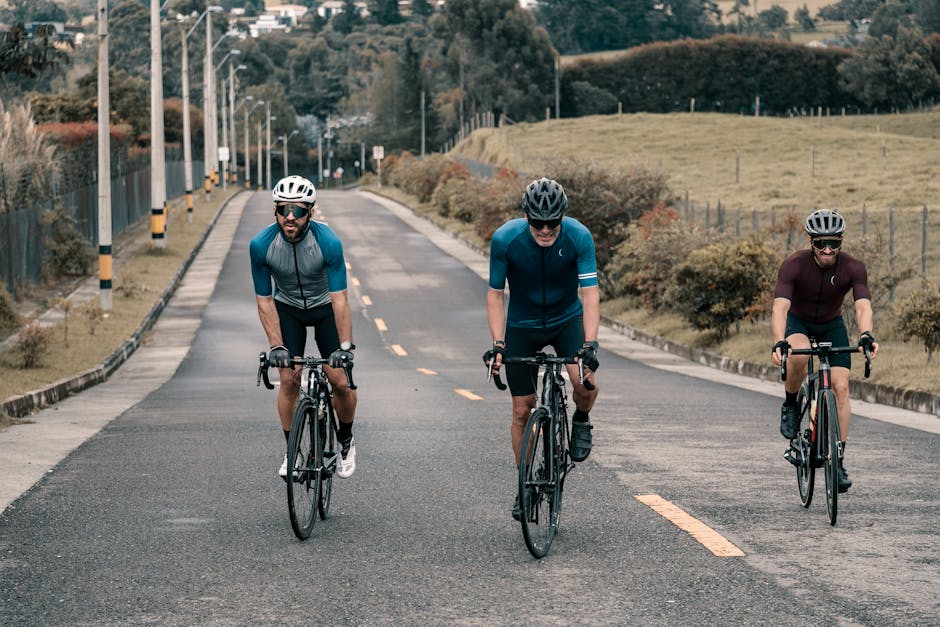
For riders just getting started, safety isn’t optional—it’s foundational. Unlike experienced cyclists who may prioritize speed or performance, new riders benefit most from stability, visibility, and predictable handling. A safe bike reduces the risk of accidents and builds confidence, which encourages consistent riding and long-term enjoyment.
Key safety features to prioritize include:
- Reliable braking systems: Look for dual-pivot caliper brakes or mechanical disc brakes, which offer consistent stopping power in various conditions.
- Reflective elements and mounts for lights: Front and rear light mounts, reflective tires, and frame decals improve visibility during low-light rides.
- Stable geometry: A relaxed frame design with a lower center of gravity helps maintain balance at slow speeds.
- Wide, puncture-resistant tires: Tires between 28mm and 35mm provide better grip and cushioning over uneven surfaces.
- Upright riding position: Reduces strain on the back and neck while improving forward visibility.
While advanced features like electronic shifting or carbon frames may impress, they’re less critical for beginners. Focus instead on bikes that prioritize control, comfort, and visibility—elements that directly contribute to safer riding experiences.
How We Evaluated Bikes: Price, Weight, and Safety
Our shortlist is based on three core criteria: affordability, manageable weight, and safety-focused design. We excluded high-end performance models that sacrifice practicality for speed, as well as ultra-budget options that cut corners on essential components.
Price Range: $400–$800
We focused on bikes priced between $400 and $800—a sweet spot where quality components meet reasonable cost. Bikes below $400 often use heavier frames and lower-grade parts, while those above $800 may include features unnecessary for new riders.
Weight: Under 28 Pounds
For beginners, a lighter bike is easier to maneuver, lift, and store. We prioritized models under 28 pounds (12.7 kg), which strikes a balance between durability and ease of use. Aluminum frames dominate this range, offering strength without excessive bulk.
Safety Features: Non-Negotiable Standards
Every bike on our list includes:
- Dual-pivot or mechanical disc brakes
- Mounts for front and rear lights
- Reflective sidewall tires or included reflectors
- Upright or semi-upright geometry
- Minimum 7-speed drivetrain for varied terrain
We also considered real-world usability—how easy it is to maintain the bike, find replacement parts, and adjust components without professional help.
Top 5 Bicycles for New Cyclists: A Detailed Comparison
Below are five standout models that meet our criteria for safety, affordability, and ride quality. Each bike is suited to different riding styles, from city commuting to weekend trail rides.
1. Trek FX 1 – Best Overall for Safety and Value
Price: $599
Weight: 26.5 lbs
Type: Hybrid
The Trek FX 1 is a favorite among new riders for its balanced design and reliable components. Its Alpha Gold Aluminum frame keeps weight low while maintaining durability. The bike features dual-pivot caliper brakes, a 3×7-speed drivetrain, and mounts for fenders and a rear rack—ideal for commuting.
Safety highlights include reflective decals on the frame and fork, plus compatibility with Trek’s Bontrager lights. The upright geometry reduces strain and improves visibility in traffic. While it lacks disc brakes, the caliper system performs well in dry and light wet conditions.
Best for: Urban commuting and recreational riding on paved paths.
2. Giant Escape 3 – Most Affordable Safe Option
Price: $449
Weight: 27.3 lbs
Type: Hybrid
Giant’s Escape 3 offers exceptional value without sacrificing safety. It comes with mechanical disc brakes—a rare feature at this price—providing stronger stopping power than rim brakes, especially in rain. The ALUXX-grade aluminum frame is lightweight and corrosion-resistant.
The bike includes front and rear light mounts, reflective tires, and a suspension fork to absorb road vibrations. The 3×7-speed Shimano drivetrain handles hills and flats with ease. Assembly is straightforward, and Giant’s widespread dealer network ensures easy maintenance.
Best for: Budget-conscious riders seeking disc brake safety and comfort.
3. Specialized Sirrus 2.0 – Best for Comfort and Control
Price: $650
Weight: 25.8 lbs
Type: Fitness Hybrid
The Sirrus 2.0 blends speed and stability with a focus on rider comfort. Its lightweight A1 Premium Aluminum frame and Body Geometry saddle reduce fatigue on longer rides. The bike features hydraulic disc brakes—superior to mechanical systems—for smooth, responsive stopping.
Safety is enhanced with integrated reflectors, a rear light mount, and wide 32c tires that grip well on wet pavement. The flat handlebars offer an upright position, improving control in traffic. The 2×8-speed drivetrain simplifies shifting while providing enough range for hills.
Best for: Riders prioritizing comfort and confident braking in varied conditions.
4. Cannondale Quick 6 – Best for Visibility and Urban Safety
Price: $549
Weight: 26.9 lbs
Type: City/Hybrid
The Quick 6 stands out for its emphasis on visibility and urban safety. It includes reflective sidewall tires, a bright LED headlight, and a rear reflector—features often sold separately on other bikes. The SmartForm C3 alloy frame is lightweight and durable.
Mechanical disc brakes ensure reliable stopping, while the 3×7-speed drivetrain handles city inclines. The bike’s upright geometry and ergonomic grips reduce hand fatigue. Fender and rack mounts make it practical for daily use.
Best for: City riders who want built-in visibility and all-weather readiness.
5. Raleigh Cadent 2 – Best for Step-Through Accessibility
Price: $629
Weight: 27.1 lbs
Type: Step-Through Hybrid
Designed for ease of mounting and dismounting, the Cadent 2 features a low-step frame ideal for riders with limited mobility or those wearing skirts or dresses. Despite its accessibility, it doesn’t compromise on safety: it includes mechanical disc brakes, reflective tires, and front/rear light mounts.
The aluminum frame is lightweight, and the 3×8-speed drivetrain offers smooth shifting. The upright position enhances visibility, and the included rear rack supports commuting needs. Raleigh’s reputation for durable city bikes adds long-term value.
Best for: Riders seeking easy access and everyday practicality.
Side-by-Side Comparison Table
| Bike Model | Price | Weight (lbs) | Brake Type | Safety Features | Best Use |
|---|---|---|---|---|---|
| Trek FX 1 | $599 | 26.5 | Caliper | Reflective decals, light mounts | Urban commuting |
| Giant Escape 3 | $449 | 27.3 | Mechanical Disc | Disc brakes, reflective tires | Budget-friendly safety |
| Specialized Sirrus 2.0 | $650 | 25.8 | Hydraulic Disc | Hydraulic brakes, wide tires | Comfort and control |
| Cannondale Quick 6 | $549 | 26.9 | Mechanical Disc | LED light, reflective tires | Urban visibility |
| Raleigh Cadent 2 | $629 | 27.1 | Mechanical Disc | Step-through frame, rack mounts | Easy access |
What to Avoid When Buying Your First Bike
Even with a strong shortlist, new cyclists should be aware of common pitfalls:
- Overspending on performance features: Carbon frames, 11-speed drivetrains, and aerodynamic designs are unnecessary for beginners and increase cost.
- Ignoring fit: A bike that’s too large or small compromises control and comfort. Always test ride or use a size chart based on your height.
- Skipping safety accessories: Even the safest bike needs a helmet, lights, and a bell. Budget at least $100 extra for essential gear.
- Buying online without assembly support: Many budget bikes ship partially assembled. If you’re not comfortable with basic mechanics, choose a model from a brand with local dealer support.
- Overlooking maintenance needs: Disc brakes and indexed shifters require occasional adjustment. Choose a bike with accessible components and clear manuals.
Avoid bikes marketed as “adult” or “unisex” without specific sizing guidance. Look for models that list standover height, reach, and stack measurements to ensure a proper fit.
How to Choose the Right Bike for Your Needs
Use this step-by-step approach to narrow down your options:
- Define your primary use: Will you ride on roads, trails, or a mix? Commute daily or ride weekends only?
- Set a realistic budget: Include $100–$150 for helmet, lights, lock, and basic tools.
- Test ride at least two models: Visit local shops to compare handling, comfort, and ease of use.
- Check component quality: Look for reputable brands like Shimano, Tektro, or SRAM for drivetrain and brakes.
- Verify safety features: Ensure the bike has light mounts, reflectors, and stable geometry.
- Consider long-term value: A slightly higher upfront cost may save money on repairs and upgrades.
Remember: the best bike is the one you’ll actually ride. Prioritize comfort and confidence over specs or brand names.
Final Thoughts: Safety First, Always
The best bicycles shortlist for riders comparing price, weight, and features with a focus on safety for new cyclists balances affordability, ease of use, and protective design. Models like the Trek FX 1, Giant Escape 3, and Specialized Sirrus 2.0 offer proven reliability and safety without overwhelming beginners with complexity.
Investing in a bike with strong brakes, good visibility, and a comfortable fit sets the foundation for a lifetime of safe, enjoyable cycling. Don’t rush the decision—take time to test ride, ask questions, and choose a bike that feels right for your lifestyle and skill level.
FAQ
What is the safest type of bike for a beginner?
Hybrid bikes are generally the safest for new cyclists due to their upright riding position, stable geometry, and versatility on roads and light trails. Models with disc brakes and reflective features add an extra layer of safety.
Should I buy a bike with disc brakes as a new rider?
Yes, if your budget allows. Mechanical disc brakes offer better stopping power in wet conditions compared to rim brakes, which can be crucial for safety in unpredictable weather.
How much should I spend on my first bike?
Aim for $400–$800. This range offers reliable components, lighter frames, and essential safety features without unnecessary extras. Always budget an additional $100–$150 for safety gear.
