Best Bicycles for Daily Riding, Weekend Fitness, and City Travel Leave a comment
Best Bicycles for Daily Riding, Weekend Fitness, and City Travel
If you’re new to cycling and looking for a reliable, efficient bike for commuting, weekend workouts, or navigating city streets, you’re not alone. The best bicycles for daily riding, weekend fitness, and city travel balance comfort, durability, and practicality—without sacrificing performance. Whether you’re pedaling to work, exploring bike paths on Saturdays, or weaving through urban traffic, the right bike makes all the difference. This guide breaks down top options across categories, key features to prioritize, and how to choose based on your routine, budget, and terrain.

What Makes a Bike Ideal for Daily Use and City Travel?
Not all bikes are built for the demands of everyday riding. For daily commutes and city travel, efficiency means more than just speed—it includes ease of handling, low maintenance, and comfort over varied surfaces. A good urban bike should handle stop-and-go traffic, potholes, curbs, and occasional wet conditions without constant repairs or discomfort.
Key traits include:
- Upright riding position: Reduces strain on your back and neck, especially during short stops and starts.
- Reliable brakes: Disc brakes (mechanical or hydraulic) offer better stopping power in rain and heavy traffic than rim brakes.
- Puncture-resistant tires: Wider tires (28–35mm) with reinforced casings help avoid flats from debris common in cities.
- Integrated lighting and mounts: Built-in or easy-to-attach lights, fenders, and racks improve safety and utility.
- Simple drivetrain: Fewer gears mean less maintenance; 7–9 speeds are often sufficient for flat to moderately hilly cities.
For new cyclists, avoiding overly complex setups or aggressive geometries is wise. You want a bike that feels stable at low speeds and doesn’t require constant tuning.
Top Bike Types for Daily Riding and Fitness
Different riding styles call for different designs. Here’s how the main categories stack up for daily use, fitness, and city travel.
Hybrid Bikes: The All-Rounder for New Cyclists
Hybrid bikes blend features from road and mountain bikes, making them ideal for mixed-use riding. They typically have flat handlebars for control, medium-width tires for smoothness, and a comfortable frame geometry.
Best for: Commuting, light fitness rides, errands, and casual weekend exploration.
Examples:
- TREK FX Series: Lightweight aluminum frames, ergonomic grips, and optional rack/fender mounts. The FX 1 is a budget-friendly entry point; the FX 3 adds hydraulic disc brakes and a more refined drivetrain.
- Specialized Sirrus: Known for responsive handling and efficient power transfer. The Sirrus 2.0 offers a great balance of speed and comfort for city streets.
- Giant Escape: Affordable and reliable, with models ranging from basic to performance-oriented. The Escape 3 is a solid starter bike under $500.
Hybrids are often the best bicycles for daily riding, weekend fitness, and city travel because they adapt well to different conditions without requiring specialized skills.
City/Urban Bikes: Built for the Streets
Designed specifically for urban environments, city bikes prioritize practicality. They often include chain guards, internal gear hubs, and built-in lights—features that reduce maintenance and increase convenience.
Best for: Frequent short trips, carrying cargo, riding in all weather.
Examples:
- Gazelle Medeo T9: Dutch-style step-through frame, 9-speed internal hub, and full fenders. Ideal for riders who value ease of mounting and weather protection.
- Brompton M6L: Folding design makes it perfect for combining with public transit. While pricier, its compact size and smooth ride are unmatched for multi-modal commutes.
- Priority Classic Plus: Belt drive instead of a chain means no grease, less noise, and minimal upkeep. Comes with integrated lights and a rear rack.
These bikes may cost more upfront but save time and money on maintenance—ideal for riders who want to hop on and go.
Fitness/Flat-Bar Road Bikes: Speed with Comfort
If your weekend rides include longer distances or you want to build endurance, a flat-bar road bike offers road bike efficiency with mountain bike-style controls.
Best for: Fitness-focused riders, longer commutes, and paved trail riding.
Examples:
- Cannondale Quick: Lightweight frame, responsive handling, and multiple mounting points. The Quick 6 is a great value under $800.
- Scott Sub Cross: Slightly more aggressive geometry than hybrids, with quality components for smoother shifting and braking.
These bikes are faster than hybrids on flat roads but may feel less stable at very low speeds—something to consider if you’re still building confidence.
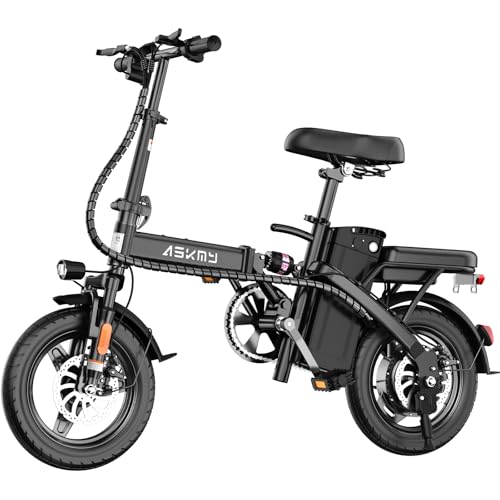
E-Bikes: Boost for Hills and Longer Commutes
Electric-assist bikes are increasingly popular for daily riding, especially in hilly areas or for longer distances. A good e-bike reduces fatigue without eliminating the workout.
Best for: Riders over 30 minutes from work, those with physical limitations, or anyone wanting to arrive sweat-free.
Examples:
- Rad Power Bikes RadCity: Powerful motor, long battery life, and practical features like a rear rack and integrated lights. Priced under $1,500, it’s one of the best value e-bikes for city use.
- Trek Verve+ 2: Smooth pedal assist, comfortable ride, and sleek design. Slightly higher price but excellent build quality.
E-bikes add cost and weight, but for many new cyclists, the added range and ease make them a smart investment.
Key Features to Prioritize as a New Cyclist
With so many options, it’s easy to get overwhelmed. Focus on these essentials first:
- Frame material: Aluminum is lightweight, rust-resistant, and affordable—ideal for most riders. Steel offers a smoother ride but adds weight. Carbon is rare in this category and usually unnecessary for daily use.
- Gear range: For flat cities, 7–8 speeds are plenty. If you face hills, look for a wide-range cassette (e.g., 11-34T) or an internal hub with lower gears.
- Brake type: Mechanical disc brakes outperform rim brakes in wet conditions. Hydraulic discs offer even better modulation but cost more.
- Tire width and tread: 28–32mm tires strike a balance between speed and comfort. Avoid slick tires if you ride in rain or on gravel paths.
- Accessory compatibility: Ensure the bike has mounts for fenders, racks, and water bottles. These small details make daily use far more practical.
Avoid bikes marketed as “race-ready” or “extreme performance” unless you plan to compete. They often sacrifice comfort and durability for speed.
How to Choose the Right Bike for Your Routine
Your daily habits should guide your choice. Ask yourself:
- How far is my typical ride? (Under 5 miles? Over 10?)
- Do I ride in rain or snow?
- Will I carry a backpack, groceries, or a change of clothes?
- Are there hills on my route?
- Do I need to store the bike in a small apartment or on public transit?
Use this quick decision guide:
| Use Case | Recommended Bike Type | Why |
|---|---|---|
| Short city commutes, flat terrain | Hybrid or city bike | Comfortable, low maintenance, easy to control |
| Longer rides, weekend fitness | Flat-bar road bike or fitness hybrid | More efficient on pavement, better for building speed |
| Hilly areas or heavy loads | E-bike or bike with wide gear range | Reduces strain, maintains pace on climbs |
| Mixed with buses/trains | Folding bike or compact city bike | Saves space, easy to carry |
Common Mistakes New Cyclists Make
Even with the best intentions, beginners often overlook critical details:
- Ignoring fit: A bike that’s too big or small causes discomfort and reduces control. Visit a local shop for a basic fitting—even online buyers can use size charts and virtual tools.
- Skipping safety gear: A helmet is non-negotiable. Add front and rear lights, especially if riding at dawn, dusk, or night.
- Overlooking maintenance: Tires lose air, brakes wear, and chains stretch. Learn to check tire pressure weekly and clean your chain monthly.
- Buying based on looks alone: A stylish frame won’t help if the gears slip or the brakes squeal. Prioritize function over form.
Start with a test ride. Many shops offer rentals or demo days—take advantage to compare how different bikes feel on real streets.
Final Tips for Getting Started
Once you’ve chosen your bike, set yourself up for success:
- Plan your route: Use bike lanes and quieter streets, even if they’re slightly longer. Apps like Komoot or Google Maps can suggest bike-friendly paths.
- Invest in basics: A good lock (U-lock or heavy chain), water bottle, and basic toolkit prevent headaches.
- Start slow: Build up distance and frequency over weeks. Even 10–15 minutes daily improves fitness and confidence.
- Join a community: Local cycling groups or online forums offer tips, route ideas, and motivation.
Remember, the best bicycle isn’t the most expensive or fastest—it’s the one you’ll actually ride.
FAQ
What’s the difference between a hybrid and a city bike?
Hybrid bikes are versatile and sportier, great for fitness and commuting. City bikes prioritize comfort and practicality, often including fenders, racks, and chain guards for daily urban use.
Do I need an e-bike for city commuting?
Not necessarily. If your commute is under 10 miles and mostly flat, a traditional bike works well. E-bikes are helpful for hills, longer distances, or if you want to minimize sweating.
How much should I spend on my first bike?
Aim for $400–$800 for a quality new bike that will last. Avoid ultra-cheap models (under $300), which often have poor components and uncomfortable geometry. Consider used bikes from reputable sellers if budget is tight.
Conclusion
Choosing the best bicycles for daily riding, weekend fitness, and city travel doesn’t have to be complicated. Focus on comfort, reliability, and features that match your routine. Hybrids, city bikes, and e-bikes each serve different needs, but all can deliver efficient, enjoyable rides when chosen wisely. Prioritize fit, safety, and practicality over flashy specs, and you’ll be pedaling confidently in no time.
Related keywords: Best bicycles for daily riding, weekend fitness, and city travel with a focus on efficiency for new cyclists.
