
Beginner Bicycle Buying Guide for City Streets: Avoid Costly Mistakes Leave a comment
Beginner Bicycle Buying Guide for City Streets: Avoid Costly Mistakes
Choosing your first bicycle for city riding can feel overwhelming, especially with so many options and technical terms. A solid beginner bicycle buying guide helps you avoid common pitfalls like overspending, poor fit, or buying a bike unsuited for urban terrain. This guide walks you through essential considerations—frame type, gear systems, tire width, and more—so you can confidently select a reliable, comfortable, and practical bike designed for city streets. Whether you’re commuting, running errands, or exploring your neighborhood, the right bike makes all the difference.
Why a City-Specific Bike Matters
Not all bicycles are built for the demands of city riding. Urban environments present unique challenges: stop-and-go traffic, potholes, curbs, frequent braking, and varied road surfaces. A bike designed for city use typically features a more upright riding position, durable components, and practical accessories like fenders or mounts for racks and lights. In contrast, road bikes prioritize speed and aerodynamics, while mountain bikes are overbuilt for pavement and can feel sluggish in traffic.
For beginners, a city or hybrid bike is often the best starting point. These models blend comfort, efficiency, and versatility. They’re built to handle short to medium distances on paved roads, with enough stability for navigating traffic and sidewalks. Look for features like puncture-resistant tires, reliable brakes, and a frame that allows easy mounting and dismounting—especially important when you’re stopping frequently at lights or crosswalks.
Key Features to Evaluate in a Beginner City Bike
When shopping for your first city bike, focus on these core components. Each plays a role in comfort, safety, and long-term usability.
1. Frame Material and Size
The frame is the foundation of your bike. For city riding, aluminum is the most common and practical choice. It’s lightweight, rust-resistant, and affordable. Steel frames are durable and offer a smoother ride due to natural flex, but they’re heavier and can rust if not maintained. Carbon fiber is rare in entry-level city bikes due to cost and fragility on rough streets.
Frame size is critical. A bike that’s too large or small leads to discomfort, poor control, and increased risk of injury. Most manufacturers provide size charts based on rider height. For example:
- Under 5’3″: Small (15″–16″)
- 5’3″–5’7″: Medium (17″–18″)
- 5’7″–6’0″: Large (19″–20″)
- Over 6’0″: Extra Large (21″–22″)
Always test ride if possible. Your crotch should have a 1–2 inch clearance when standing over the top tube, and you should be able to reach the handlebars comfortably without straining.
2. Tire Width and Type
Tire width directly affects comfort and grip. Narrow tires (23–25mm) are fast but transmit more road vibration and are prone to punctures. For city use, aim for 28–35mm tires. These offer a smoother ride, better traction on wet or uneven pavement, and improved puncture resistance.
Look for tires labeled as “puncture-resistant” or “urban.” Brands like Schwalbe, Continental, and Vittoria offer models specifically designed for city commuting. Avoid slick tires if you ride in rain or on debris-covered streets—light tread patterns improve grip without sacrificing speed.
3. Gearing System
City riding involves frequent stops, starts, and moderate hills. A bike with multiple gears helps you maintain a steady pedaling rhythm. For most urban riders, a 7- to 8-speed internal hub or a 2×8 external drivetrain is sufficient.
Internal hub gears (like those from Shimano Nexus or Alfine) are low-maintenance and protected from weather and dirt. They’re ideal for commuters who want simplicity. External derailleur systems offer more gear range and are lighter, but require more upkeep.
Avoid single-speed bikes unless you live in a completely flat area and ride short distances. While they’re low-maintenance, they force you to pedal harder on inclines and limit your speed on descents.
4. Brakes: Rim vs. Disc
Brakes are non-negotiable for safety. There are two main types:
- Rim brakes (e.g., caliper or V-brakes): Lightweight and affordable, but less effective in wet conditions and wear down rims over time.
- Disc brakes (mechanical or hydraulic): Offer superior stopping power in all weather, require less hand force, and don’t damage rims. Hydraulic discs are smoother but cost more to maintain.
For city riding, especially in rainy climates, disc brakes are worth the extra cost. Even mechanical disc brakes outperform rim brakes in wet or muddy conditions.
5. Handlebar Style
Handlebars affect your posture and control. Common types include:
- Flat bars: Provide an upright position, ideal for visibility in traffic and short reaches. Found on most hybrid and city bikes.
- Riser bars: Slightly curved upward, offering more comfort for longer rides.
- Drop bars: Aerodynamic but lean you forward—better for speed than comfort in stop-and-go traffic.
Beginners should start with flat or riser bars. They’re easier to control and reduce strain on your back and shoulders.
Accessories That Enhance City Riding
A bike alone isn’t enough for safe and practical city use. These accessories are worth investing in from day one:
Fenders
Fenders keep water, mud, and road grime off you and your bike. Essential if you ride in rain or on wet streets. Look for full-coverage fenders that attach securely to the frame.
Chain Guard
A chain guard protects your pants from oil and dirt. Especially useful if you wear work clothes or don’t want to change before heading into the office.
Rear Rack and Panniers
A rear rack lets you carry groceries, a backpack, or a change of clothes without straining your shoulders. Panniers (saddlebags) attach to the rack and keep weight low and balanced. Avoid overloading—most racks support 25–40 lbs.
Lights and Reflectors
Front and rear lights are legally required in many cities and crucial for visibility. Choose LED lights with steady and flashing modes. A white front light (at least 200 lumens) and a red rear light are standard. Reflectors on wheels, pedals, and frame add passive visibility.
Lock
A sturdy U-lock or heavy-duty chain lock is essential. Cable locks are easy to cut. Always lock your bike frame and rear wheel to a fixed object. Consider a secondary cable for the front wheel.
Common Mistakes to Avoid
Even with good intentions, beginners often make avoidable errors. Here’s what to watch for:
1. Buying Based on Price Alone
Cheap bikes from big-box stores may seem like a bargain, but they often use low-quality components, heavy frames, and poor assembly. These bikes are harder to ride, less safe, and more likely to break down. A well-built entry-level city bike from a reputable brand typically starts around $400–$600.
Example: A $200 department store bike might have a rigid steel frame, coaster brakes (pedal backward to stop), and no gear shifting—making it impractical for anything beyond a flat park path.
2. Ignoring Fit and Comfort
A bike that doesn’t fit causes pain and discourages riding. Don’t assume “medium” is right for you. Visit a local bike shop for a professional fitting if possible. Adjustable stems and seat posts can help fine-tune comfort.
3. Overlooking Maintenance Needs
All bikes require upkeep. Neglecting chain lubrication, brake adjustments, or tire pressure leads to poor performance and safety risks. Learn basic maintenance or budget for regular tune-ups. Many shops offer free first-time adjustments with purchase.
4. Choosing Style Over Function
Cruiser bikes with wide saddles and retro designs look great but are often heavy and inefficient for daily use. Step-through frames are convenient for quick mounting but may sacrifice frame stiffness. Prioritize function—especially if you’re riding more than a few blocks.
Recommended Bike Types for City Beginners
Not sure where to start? These categories are ideal for new riders on city streets:
Hybrid Bikes
Hybrid bikes combine features of road and mountain bikes. They have flat handlebars, medium-width tires, and lightweight frames. Great for paved paths, light gravel, and urban commuting. Examples include the Trek FX, Specialized Sirrus, and Giant Escape.
City/Urban Bikes
Built specifically for city life, these bikes often include fenders, racks, chain guards, and internal gears. They prioritize comfort and practicality over speed. Look at models like the Gazelle CityZen, Linus Roadster, or Priority Classic.
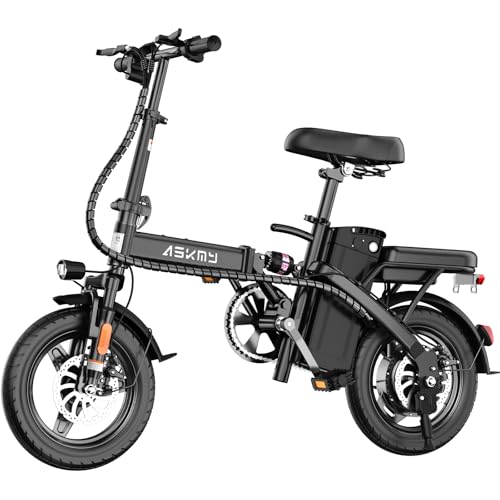
Folding Bikes
If you have limited storage or combine biking with public transit, a folding bike is a smart choice. Models like the Brompton or Dahon are compact, lightweight, and easy to carry. Just ensure the wheels are at least 20 inches for stability.
Where to Buy: Local Shop vs. Online
Buying from a local bike shop offers significant advantages. Staff can help you find the right size, assemble the bike correctly, and offer ongoing support. Many shops provide free adjustments and discounts on accessories. Plus, you support local business.
Online retailers like REI, Competitive Cyclist, or direct brands (e.g., Canyon, Trek) offer competitive pricing and detailed specs. However, you’ll need to assemble the bike yourself or pay for professional assembly. Be cautious with no-name brands selling ultra-cheap bikes online—quality and safety are often compromised.
If buying online, check return policies and warranty coverage. Ensure the seller provides clear sizing charts and customer support.
Budgeting for Your First City Bike
A realistic budget for a beginner city bike includes the bike itself and essential accessories. Here’s a breakdown:
| Item | Estimated Cost |
|---|---|
| Bike (entry-level) | $400–$700 |
| Helmet | $50–$100 |
| U-lock | $40–$80 |
| Lights (front and rear) | $30–$60 |
| Fenders | $30–$50 |
| Rear rack | $40–$70 |
| Total | $590–$1,060 |
You don’t need to buy everything at once. Start with the bike, helmet, lock, and lights. Add fenders and a rack as needed.
Final Checklist Before You Buy
Use this quick checklist to ensure you’re making a smart purchase:
- ✅ Bike fits your height and riding style
- ✅ Tires are 28–35mm wide with puncture resistance
- ✅ Brakes are disc or high-quality rim type
- ✅ Gearing suits your terrain (at least 7 speeds)
- ✅ Frame has mounts for fenders and rack
- ✅ Includes or compatible with essential accessories
- ✅ Comes with warranty and support
- ✅ Purchased from a reputable seller
FAQ
What’s the best bike for a beginner commuting in the city?
A hybrid or city bike with flat handlebars, 28–35mm tires, and at least 7 gears is ideal. Look for models with fender and rack mounts, like the Trek FX or Gazelle CityZen.
Do I really need disc brakes for city riding?
Yes, especially if you ride in rain or hilly areas. Disc brakes provide better stopping power and perform reliably in wet conditions compared to rim brakes.
Can I use a mountain bike for city streets?
You can, but it’s not ideal. Mountain bikes are heavier, have knobby tires that slow you down on pavement, and often lack mounts for city accessories. A hybrid or city bike is more efficient and comfortable for urban use.
Conclusion
A well-chosen city bike transforms your daily routine—making commutes faster, errands easier, and exploration more enjoyable. This beginner bicycle buying guide equips you with the knowledge to avoid costly mistakes and select a bike that fits your needs, budget, and lifestyle. Focus on fit, practical features, and reliability over flashy specs. With the right bike, city streets become your pathway to freedom, fitness, and convenience.
Related keywords: Beginner bicycle buying guide that helps you avoid costly mistakes with a focus on range for city streets.
