
Electric Bicycles Guide to Performance, Charging, and Daily Usability with a Focus on Storage for New Cyclists Leave a comment
Electric Bicycles Guide to Performance, Charging, and Daily Usability with a Focus on Storage for New Cyclists
If you’re new to electric bicycles, understanding how they perform, how to charge them, and how to store them properly can make the difference between a smooth daily ride and constant frustration. This electric bicycles guide breaks down everything beginners need to know—from real-world range and battery care to practical storage solutions that fit urban and suburban lifestyles. Whether you’re commuting, running errands, or riding for fitness, knowing what to expect helps you choose the right e-bike and use it safely and efficiently every day.

What to Expect from E-Bike Performance as a New Rider
Electric bicycles offer a blend of pedal power and motor assistance, but their performance varies widely based on motor type, battery capacity, terrain, and rider weight. Most entry-level e-bikes provide 20 to 50 miles of range on a single charge, depending on assist level and riding conditions. Mid-drive motors, commonly found on higher-end models, deliver power through the bike’s drivetrain, offering better balance and efficiency on hills. Hub motors, often in the rear or front wheel, are simpler and more affordable but can feel less natural on steep inclines.
Speed is another key factor. In the U.S., Class 1 and Class 2 e-bikes are limited to 20 mph with pedal assist or throttle, while Class 3 models can reach 28 mph with pedal assist only. Always check local regulations—some cities restrict where Class 3 bikes can be ridden. Acceleration feels noticeably smoother than on a standard bike, especially when starting from a stop or climbing a hill. However, heavier frames and added components mean e-bikes typically weigh 40 to 70 pounds, which affects handling and maneuverability, particularly at low speeds.
For new riders, it’s wise to start with a model that matches your typical route. If you’re tackling hilly terrain, prioritize a bike with at least a 250W motor and a battery rated at 400Wh or higher. On flat city streets, a lighter bike with a 250W hub motor and 300Wh battery may suffice. Test rides are invaluable—feel how the bike responds when you shift gears, brake, and turn. Pay attention to how the motor engages: some systems react instantly, while others have a slight delay that can take getting used to.
Real-World Range: Why Your Mileage May Vary
Battery range claims from manufacturers are often optimistic, based on ideal conditions: flat roads, minimal wind, light rider weight, and low assist levels. In practice, most riders see 20–30% less range. For example, a bike advertised for 60 miles might realistically deliver 40–45 miles if you use higher assist levels or ride in hilly areas.
Factors that reduce range include:
- Using high or turbo assist modes frequently
- Riding against strong winds or on steep hills
- Carrying heavy cargo or riding with a passenger
- Cold weather, which reduces battery efficiency
To maximize range, shift to lower assist levels when possible, maintain proper tire pressure, and avoid sudden accelerations. Many e-bikes now include regenerative braking, but its impact on range is minimal—typically adding only 2–5% back to the battery.
Charging Basics: How to Keep Your E-Bike Ready
Charging an e-bike battery is straightforward, but doing it correctly extends battery life and ensures safety. Most e-bikes use lithium-ion batteries, which are lightweight and energy-dense but require careful handling. Always use the charger provided by the manufacturer—third-party chargers may not match voltage or current specifications, risking damage or fire.
Charging time varies by battery size and charger output. A typical 400Wh battery with a 2A charger takes about 4–6 hours to go from empty to full. Faster chargers (3A or 4A) can reduce this to 2–3 hours but may generate more heat, which can degrade the battery over time. Avoid fast charging regularly unless necessary.
Best Practices for Battery Care
To get the longest life from your battery—typically 500 to 1,000 full charge cycles—follow these guidelines:
- Don’t drain to zero: Lithium-ion batteries last longer when kept between 20% and 80% charge. Avoid letting the battery fully deplete unless necessary.
- Avoid extreme temperatures: Don’t charge in freezing conditions or leave the battery in a hot car. Ideal charging temperature is 50°F to 77°F (10°C to 25°C).
- Store partially charged: If you won’t ride for weeks, store the battery at around 50–60% charge in a cool, dry place.
- Unplug when full: Most modern chargers stop automatically, but it’s still best to unplug once charging is complete to prevent overcharging stress.
Many riders charge their e-bike nightly, especially if using it for daily commutes. If your battery is removable, you can charge it indoors while the bike stays outside—a major convenience in apartments or shared spaces.
Daily Usability: Making the E-Bike Part of Your Routine
One of the biggest advantages of e-bikes is their ability to fit seamlessly into daily life. Unlike cars, they don’t require fuel, insurance, or parking fees in many cities. Unlike traditional bikes, they reduce physical strain, making longer trips and hill climbs manageable for riders of all fitness levels.
For commuting, e-bikes can cut travel time significantly in congested areas. A 5-mile trip that might take 30 minutes by car in traffic could take 20–25 minutes on an e-bike, with the added benefit of light exercise. Many workplaces now offer bike storage, showers, and changing rooms, making e-bike commuting practical year-round.
Running errands is another strong use case. With rear racks, panniers, or front baskets, most e-bikes can carry groceries, backpacks, or small packages. Some models even support child seats or trailers, turning the e-bike into a family vehicle. Just remember that added weight affects braking distance and handling—always adjust your riding style when loaded.
Safety and Maintenance Tips for Daily Riders
Safety should be a top priority, especially for new riders. Always wear a helmet, use lights (front and rear), and follow traffic laws. E-bikes are faster than regular bikes, so visibility and predictability are crucial.
Basic maintenance keeps your e-bike running smoothly:
- Check tire pressure weekly—underinflated tires increase rolling resistance and reduce range.
- Lubricate the chain every 100–200 miles to prevent wear and noise.
- Inspect brakes monthly; e-bikes require strong braking power due to their weight and speed.
- Keep the battery and motor connections clean and dry.
Most e-bikes need a professional tune-up once a year, especially if ridden daily. This typically includes brake adjustment, gear tuning, and motor diagnostics.
Storage Solutions for New Cyclists: Where and How to Keep Your E-Bike
Storage is one of the most overlooked aspects of e-bike ownership, yet it’s critical for security, battery health, and longevity. Unlike regular bikes, e-bikes are expensive and contain sensitive electronics, so proper storage is essential.
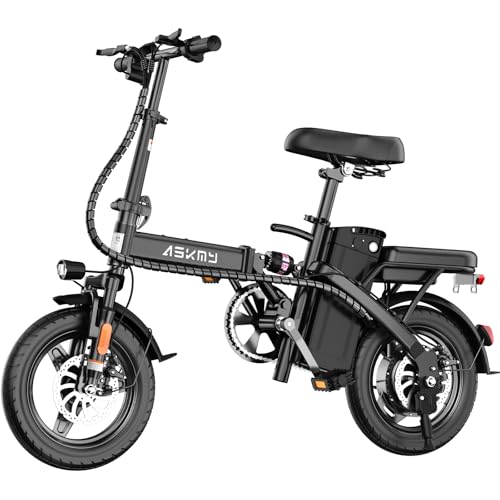
Indoor storage is ideal. Keeping your e-bike inside protects it from weather, theft, and temperature extremes. In apartments or condos, consider vertical bike racks, wall mounts, or ceiling hoists to save floor space. Some compact e-bikes are designed to fold, making them easier to store in closets or under desks.
If indoor storage isn’t possible, outdoor solutions require extra precautions. Use a high-quality U-lock or chain lock to secure the frame and wheels to a fixed object. Never leave an e-bike unattended in public for long periods, especially in high-theft areas. A weatherproof cover can protect against rain and UV damage, but it’s not a substitute for secure locking.
Storing the Battery: What You Need to Know
The battery should be removed and stored indoors whenever possible, especially in winter. Cold temperatures can permanently reduce battery capacity, and leaving it exposed to freezing conditions overnight may prevent it from charging properly.
When storing the bike for extended periods (e.g., winter months), follow these steps:
- Charge the battery to 50–60%.
- Store it in a dry, temperature-controlled environment (ideally 50°F to 70°F).
- Check the charge level every 4–6 weeks and top it up if it drops below 40%.
- Clean the bike and apply a light coat of lubricant to the chain and moving parts.
Never store a fully charged or fully depleted battery for long periods—both states accelerate degradation.
Choosing the Right E-Bike for Your Lifestyle
With so many models available, selecting the right e-bike depends on your priorities. Consider these factors:
- Commuting: Look for a step-through frame, fenders, lights, and a rear rack. A removable battery is a plus.
- Recreation: Mountain or hybrid e-bikes with suspension and wider tires handle trails and rough roads better.
- Compact living: Folding e-bikes or lightweight models are easier to store and transport.
- Budget: Entry-level e-bikes start around $1,000, while high-end models can exceed $5,000. Mid-range bikes ($1,500–$3,000) often offer the best balance of features and reliability.
Test ride at least two or three models before buying. Pay attention to comfort, ease of use, and how the controls feel. A good dealer will let you try the bike on a real route, not just in the parking lot.
Common Misconceptions About E-Bikes
Many new riders have outdated or incorrect ideas about e-bikes. Here are a few myths clarified:
- “E-bikes do all the work”: Most e-bikes require pedaling. The motor assists, but you still provide effort—just less than on a regular bike.
- “They’re too heavy to ride without power”: While heavier, most e-bikes are still rideable if the battery dies, though it will feel like riding a loaded traditional bike.
- “They’re not allowed on bike paths”: In most U.S. states, Class 1 and 2 e-bikes are permitted on bike lanes and multi-use paths, but rules vary—check local laws.
- “Batteries explode easily”: While rare, battery fires can happen with damaged or poorly manufactured packs. Buy from reputable brands and avoid physical damage to the battery.
Final Takeaways for New E-Bike Owners
An electric bicycle can transform how you move through your city, combining convenience, sustainability, and fun. As a new cyclist, focus on understanding your bike’s performance limits, charging habits, and storage needs. Start with shorter rides to build confidence, maintain your bike regularly, and always prioritize safety.
Remember, the best e-bike is one that fits your lifestyle and gets used regularly. Whether you’re storing it in a small apartment or locking it outside a coffee shop, proper care ensures it will serve you well for years.
FAQ
How far can I really ride on a single charge?
Most e-bikes offer 20 to 50 miles of range, but real-world distance depends on terrain, rider weight, assist level, and weather. Expect 20–30% less than manufacturer claims under typical conditions.
Can I leave my e-bike outside in the rain?
Yes, most e-bikes are designed to handle light rain, but prolonged exposure can damage electronics. Use a cover if storing outside, and always remove the battery for indoor charging and storage.
Do I need a special license or insurance to ride an e-bike?
In most U.S. states, no license or insurance is required for Class 1 and 2 e-bikes. Class 3 bikes may have age restrictions. Always check local regulations before riding.
