
Electric Bicycle Advice for Riders: Choosing Between Commuter and Cargo Bikes with Visibility in Mind Leave a comment
Electric Bicycle Advice for Riders: Choosing Between Commuter and Cargo Bikes with Visibility in Mind
If you’re new to electric bicycles, one of the most important decisions is choosing the right model for your needs—especially when it comes to safety and visibility. Whether you’re riding to work or hauling groceries, understanding the differences between commuter and cargo e-bikes can help you ride more confidently and stay seen on the road. This guide offers electric bicycle advice for riders comparing commuter and cargo bicycles, with a special focus on visibility features that matter most for new cyclists. We’ll break down design differences, lighting options, and practical tips to help you make an informed choice.
Commuter vs. Cargo E-Bikes: What’s the Difference?
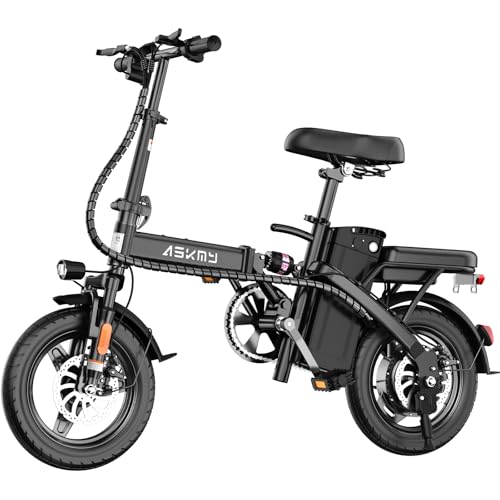
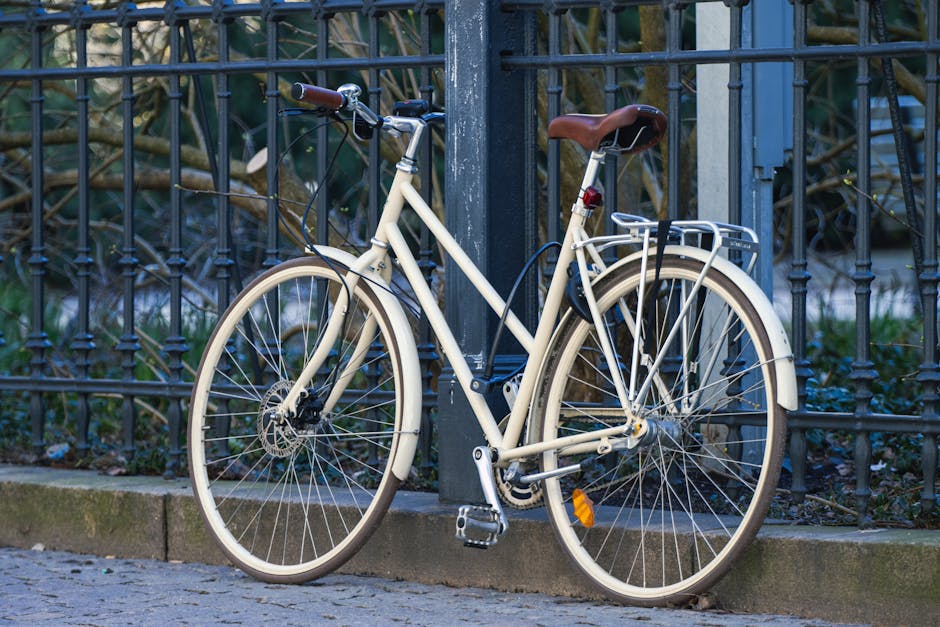
Commuter and cargo electric bicycles serve different purposes, and their designs reflect that. Commuter e-bikes are built for efficiency, speed, and agility—ideal for navigating city streets, bike lanes, and short-to-medium distance trips. They typically feature lighter frames, upright riding positions, and components optimized for daily travel. Cargo e-bikes, on the other hand, are engineered to carry heavy loads. They often have extended wheelbases, reinforced frames, and larger cargo areas—either in front (front-load) or behind (rear-load) the rider.
For new riders, the choice often comes down to use case. If you’re riding 5–10 miles to work with a backpack, a commuter e-bike is likely sufficient. But if you’re transporting children, groceries, or equipment regularly, a cargo model may be worth the investment. Both types can be equipped with visibility-enhancing features, but their inherent designs affect how visible you are to drivers and pedestrians.
Visibility Challenges for New Cyclists
New riders often underestimate how hard it can be for drivers to see cyclists—especially in low-light conditions or heavy traffic. E-bikes, which can move faster than traditional bicycles, add another layer of complexity. A commuter e-bike might blend into traffic more easily due to its smaller profile, while a cargo e-bike’s bulk can make it more noticeable—but also more vulnerable at intersections due to its size and slower acceleration.
Visibility isn’t just about being seen—it’s about predictable movement, clear signaling, and using the right gear. Whether you choose a commuter or cargo e-bike, prioritizing visibility from day one can prevent accidents and build your confidence on the road.
Key Visibility Features to Look For
When comparing commuter and cargo e-bikes, pay close attention to built-in and add-on visibility features. These aren’t just accessories—they’re essential safety tools, especially for riders who are still learning traffic patterns and bike handling.
Lighting: Front, Rear, and Side Visibility
All e-bikes should come with front and rear lights, but not all lights are created equal. Look for models with integrated LED lighting powered by the bike’s battery. These tend to be brighter and more reliable than battery-powered clip-ons.
For commuter e-bikes, a bright white front light (at least 300 lumens) and a red rear light with a steady or pulsing mode are standard. Some models include brake-activated rear lights, which can alert drivers when you slow down. Side visibility is often overlooked—consider adding spoke lights or reflective wheel strips to make your silhouette more visible from the side, especially at intersections.
Cargo e-bikes benefit from even more lighting due to their larger footprint. Many cargo models come with multi-point lighting systems, including front, rear, and side markers. Some even have turn signals—a rare but valuable feature for signaling lane changes or turns in traffic. If your cargo bike doesn’t include these, aftermarket kits are available and relatively easy to install.
Reflective Materials and High-Visibility Paint
Reflective tape, decals, and paint can dramatically increase your visibility at night. Commuter e-bikes often have subtle reflective elements on the frame, pedals, and tires. While stylish, these may not be enough in low-light conditions. Adding reflective ankle straps or wearing a high-visibility vest can make a big difference.
Cargo e-bikes, with their larger surfaces, offer more opportunities for reflective detailing. Look for models with reflective side panels or cargo box markings. Some manufacturers use bright colors like neon yellow or orange for the frame, which improves daytime visibility. If your bike is dark-colored, consider applying reflective tape to the rear rack, fenders, or even the cargo box.
Mirrors and Blind Spot Awareness
Mirrors are especially useful on cargo e-bikes, where the rider’s field of view can be obstructed by cargo or the bike’s extended frame. Handlebar-mounted or helmet-mounted mirrors help you monitor traffic behind you without turning your head—critical when changing lanes or making turns.
Commuter e-bikes benefit from mirrors too, but they’re less critical if you’re riding in bike lanes or quieter streets. Still, a small convex mirror on the left handlebar can help you check for passing vehicles. New riders should practice using mirrors in a safe environment before relying on them in traffic.
Choosing the Right E-Bike for Your Visibility Needs
Now that you understand the visibility features available, how do you choose between a commuter and cargo e-bike? The answer depends on your riding habits, environment, and personal comfort level.
When to Choose a Commuter E-Bike
A commuter e-bike is ideal if:
- You ride primarily on paved roads or protected bike lanes
- Your trips are under 15 miles round-trip
- You carry minimal gear (backpack, lunch, laptop)
- You value speed, agility, and ease of parking
Commuter models like the Rad Power Bikes RadCity or Trek Allant+ 7 offer excellent visibility packages, including integrated lights, reflective tires, and ergonomic designs that keep your head up for better sightlines. Their lighter weight also makes them easier to maneuver in tight spaces, reducing the risk of sudden movements that could surprise drivers.
When to Choose a Cargo E-Bike
A cargo e-bike makes sense if:
- You regularly transport children, pets, or heavy loads
- Your route includes hills or longer distances
- You want to replace car trips for errands or school runs
- You prioritize stability over speed
Models like the Yuba Spicy Curry or Urban Arrow Family are built with visibility in mind. They often include wide-angle mirrors, bright LED lighting arrays, and high-visibility paint options. Their lower center of gravity improves stability, which is crucial when carrying weight and riding in traffic.
Practical Tips to Boost Visibility on Any E-Bike
Regardless of which type of e-bike you choose, these tips will help you stay visible and safe:
1. Use Lights During the Day
Many accidents happen in broad daylight. Using your front and rear lights during the day increases your visibility to drivers, especially in urban areas with heavy glare or shaded streets. Most modern e-bikes allow you to run lights in daytime mode without draining the battery quickly.
2. Wear Bright, Reflective Clothing
Even the best-lit bike won’t help if you’re wearing dark clothing. Opt for bright colors like yellow, orange, or lime green. Add reflective elements—jackets, vests, or ankle bands—that catch headlights from any angle. Avoid black or navy blue, which blend into the road at night.
3. Signal Early and Clearly
Use hand signals well in advance of turns or lane changes. On cargo e-bikes, where turning radius is wider, signaling early gives drivers more time to react. If your bike has electronic turn signals, use them consistently.
4. Ride Predictably
Stay in designated bike lanes when available. Avoid sudden swerves or stopping without warning. Predictable movement helps drivers anticipate your actions, reducing the chance of collisions.
5. Check Your Bike Before Every Ride
Make a quick pre-ride checklist: Are the lights working? Is the battery charged? Are mirrors clean and adjusted? Are reflectors free of dirt? A few seconds of preparation can prevent visibility issues on the road.
Common Mistakes New E-Bike Riders Make
Even with the right bike and gear, new riders can fall into visibility traps. Avoid these common errors:
Relying Only on Bike Lights
Bike lights help, but they’re not enough on their own. Drivers may not see a small red light from a distance, especially in rain or fog. Combine lights with reflective gear and bright clothing for maximum effect.
Ignoring Weather Conditions
Rain, fog, and snow reduce visibility for everyone. In these conditions, slow down, increase following distance, and use additional lighting. Consider adding a rear light with a fog mode or a brighter front beam.
Overloading a Commuter Bike
Packing too much on a commuter e-bike can affect handling and block your lights or reflectors. If you find yourself strapping bags to the handlebars or seat post, it may be time to consider a cargo model.
Not Adjusting Mirrors
A poorly adjusted mirror is worse than no mirror. Take time to position it so you can see the road behind you without moving your head. Test it while stationary, then fine-tune during a slow ride.
Final Thoughts: Safety Starts with Visibility
Choosing between a commuter and cargo e-bike is about more than cargo capacity or speed—it’s about how safely you can ride in your environment. For new cyclists, visibility is one of the most critical factors in preventing accidents. Whether you opt for the agility of a commuter model or the utility of a cargo bike, prioritize features that make you seen: bright lights, reflective materials, mirrors, and high-visibility clothing.
Remember, electric bicycle advice for riders isn’t just about performance—it’s about building confidence through safety. Start with a bike that matches your needs, equip it for visibility, and ride with awareness. Over time, you’ll develop the skills and habits that make every ride safer and more enjoyable.
FAQ
Q: Do I really need lights on my e-bike if I only ride during the day?
A: Yes. Daytime running lights increase your visibility to drivers, especially in urban areas with glare, shadows, or heavy traffic. Many riders use them year-round for added safety.
Q: Can I add visibility features to an existing e-bike?
A: Absolutely. Most lighting, reflective tape, and mirror upgrades are compatible with both commuter and cargo e-bikes. Check your bike’s manual for power requirements if adding battery-powered accessories.
Q: Are cargo e-bikes harder to see out of?
A: They can be, due to their size and cargo blocking sightlines. That’s why mirrors, turn signals, and rearview cameras (on some models) are especially important for cargo bike riders.
Related keywords: Electric bicycle advice for riders comparing commuter and cargo bicycles with a focus on visibility for new cyclists.
