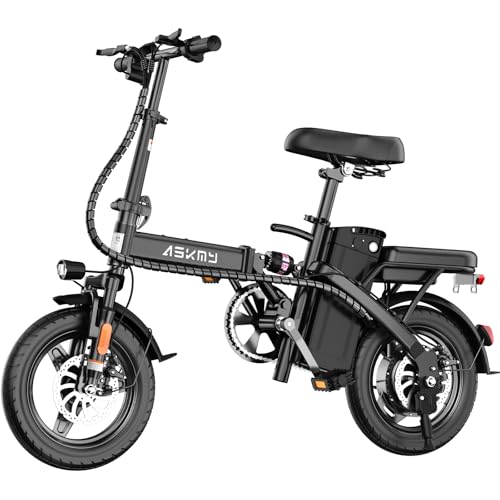


Electric Bicycles Explained for Riders Comparing Features, Range, and Value Leave a comment
Electric Bicycles Explained for Riders Comparing Features, Range, and Value
If you’re new to cycling or considering an upgrade, understanding electric bicycles is essential. Electric bicycles, or e-bikes, combine traditional pedal power with battery-assisted motors to make riding easier, faster, and more accessible. For new cyclists, they offer a practical way to build confidence, extend range, and enjoy commuting or recreation without the physical strain of a standard bike. This guide breaks down how e-bikes work, compares key features like motor power and battery range, and helps you evaluate value based on your needs—so you can choose the right model with confidence.

How Electric Bicycles Work
Electric bicycles use a rechargeable battery and an electric motor to assist your pedaling. Unlike mopeds or motorcycles, e-bikes require you to pedal—the motor simply amplifies your effort. Most models offer multiple levels of assistance, from low support for gentle hills to high power for longer rides or heavier loads.
The motor is typically located in one of three places:
- Hub motor (front or rear): Common on entry-level e-bikes, these are affordable and simple but can affect handling if placed in the front wheel.
- Mid-drive motor: Positioned near the pedals, this setup offers better weight balance and efficiency, especially on hills. It’s favored on higher-end models.
Batteries are usually lithium-ion and mounted on the frame or rear rack. They charge via a standard wall outlet and last between 20 to 100 miles per charge, depending on terrain, rider weight, assist level, and battery capacity (measured in watt-hours, or Wh).
Pedal Assist vs. Throttle
Most e-bikes use pedal assist, which activates the motor only when you’re pedaling. This feels natural and extends battery life. Some models also include a throttle, allowing you to ride without pedaling—similar to a scooter. Throttle use drains the battery faster and may not be legal in all regions, so check local regulations before buying.
Key Features to Compare When Choosing an E-Bike
Not all electric bicycles are built the same. For new riders, focusing on a few core features will help narrow your options and avoid overspending on unnecessary tech.
Motor Power and Type
Motor power is measured in watts (W). In the U.S., e-bikes are legally limited to 750W, though many commuter models use 250W–500W motors. Higher wattage doesn’t always mean better performance—efficiency and motor placement matter more.
For city riding on flat terrain, a 250W–350W hub motor is sufficient. If you live in a hilly area or plan to carry cargo, consider a 500W mid-drive motor for better torque and control.
Battery Capacity and Range
Battery capacity determines how far you can go. Look for batteries rated in watt-hours (Wh):
- 300–400Wh: Good for short commutes (15–30 miles)
- 500–600Wh: Ideal for most riders (30–60 miles)
- 700Wh+: Best for long distances or heavy loads
Real-world range varies. A 500Wh battery might deliver 40 miles on flat ground with moderate assist, but only 20 miles uphill with maximum power. Always check manufacturer range estimates under “eco” mode for a realistic baseline.
Frame Style and Fit
E-bikes come in various frame designs:
- Step-through: Easy to mount and dismount—great for beginners, riders with limited mobility, or those wearing casual clothing.
- Step-over (diamond frame): Traditional design, often sturdier and better for sportier riding.
- Cargo or folding: Specialized styles for transporting goods or storing in small spaces.
Fit is critical. An ill-fitting e-bike can cause discomfort or reduce control. Test ride if possible, or use online size guides. Pay attention to standover height, reach to the handlebars, and seat adjustability.
Brakes and Tires
E-bikes are heavier than regular bikes, so braking performance is crucial. Look for:
- Disc brakes (mechanical or hydraulic): Offer consistent stopping power in wet or hilly conditions.
- Rim brakes: Less effective on heavier bikes and can wear down faster.
Tires should match your riding environment. Wider tires (2.0” or more) provide stability and comfort on rough roads or trails. Puncture-resistant tires reduce maintenance headaches.
Range Comparison: What to Expect in Real-World Riding
Range is one of the most misunderstood aspects of electric bicycles. Manufacturers often quote ideal conditions, but real use depends on several factors.
| Battery Capacity | Average Range (Flat Terrain) | Average Range (Hilly Terrain) |
|---|---|---|
| 400Wh | 25–35 miles | 15–25 miles |
| 500Wh | 35–50 miles | 25–35 miles |
| 600Wh | 45–65 miles | 30–45 miles |
Other factors that reduce range include:
- High assist levels
- Headwinds
- Rider weight over 200 lbs
- Frequent stops and starts
- Cold weather (batteries lose efficiency below 40°F)
To maximize range, use lower assist settings when possible, maintain proper tire pressure, and avoid carrying unnecessary weight.
Value for New Cyclists: What You Get for Your Money
E-bikes range from under $1,000 to over $5,000. For new riders, the sweet spot is typically $1,500–$2,500, where you get reliable components without premium branding markups.
Entry-Level E-Bikes ($800–$1,500)
These models are great for casual riders or short commutes. Expect:
- Hub motors (250W–350W)
- 300–400Wh batteries
- Basic displays and controls
- Limited warranty (1–2 years)
Examples include the Rad Power Bikes RadCity or the Aventon Pace 350. These bikes offer solid performance for the price but may lack advanced features like torque sensors or integrated lights.
Mid-Range E-Bikes ($1,500–$3,000)
This category offers the best balance of performance, comfort, and durability. Features often include:
- Mid-drive or high-quality hub motors
- 500–600Wh batteries
- Hydraulic disc brakes
- Integrated lighting and displays
- Better suspension and ergonomics
Models like the Trek Verve+ 2 or Specialized Turbo Vado SL are excellent choices for daily commuting or weekend rides.
High-End E-Bikes ($3,000+)
These are built for performance, long-distance touring, or off-road use. You’ll find:
- Lightweight frames (aluminum or carbon)
- Advanced motor systems (e.g., Bosch, Shimano Steps)
- Smart connectivity (GPS, app integration)
- Premium components and extended warranties
While impressive, high-end models may be overkill for new riders unless you plan to ride extensively or in challenging conditions.
Fit and Comfort: Why It Matters for New Riders
An e-bike that doesn’t fit well can discourage regular use. Unlike cars, bikes require physical interaction, so comfort is non-negotiable.
Frame Size and Geometry
Most brands provide size charts based on rider height. For example:
- Small (S): 5’0″–5’5″
- Medium (M): 5’5″–5’10”
- Large (L): 5’10″–6’2″
Step-through frames are more forgiving for shorter riders or those with flexibility issues. If you’re between sizes, opt for the smaller frame for better control.
Adjustable Components
Look for:
- Adjustable seat post (preferably with a dropper lever)
- Handlebars with rise or sweep for a relaxed posture
- Suspension seatpost or front fork for shock absorption
Even small adjustments can reduce back, neck, and wrist strain—especially on longer rides.
Safety and Legal Considerations
E-bikes are classified into three categories in the U.S. based on speed and motor operation:
- Class 1: Pedal assist only, max 20 mph
- Class 2: Throttle-assisted, max 20 mph
- Class 3: Pedal assist only, max 28 mph
Class 3 bikes may require helmets or have age restrictions in some states. Always check local laws before purchasing.
Safety gear is essential:
- Helmet (CPSC-certified)
- Front and rear lights (required at night in most areas)
- Reflectors and bright clothing
- Bike lock (e-bikes are high-theft targets)
New riders should also practice in low-traffic areas to get used to the bike’s weight and acceleration.
Maintenance Tips for Longevity
E-bikes require slightly more upkeep than regular bikes due to electrical components, but routine care is straightforward.
Basic Maintenance Checklist
- Charge battery regularly—avoid letting it drop below 20% or sit at 100% for long periods.
- Keep battery and motor connections clean and dry.
- Lubricate the chain every 100–200 miles.
- Check tire pressure weekly (underinflated tires reduce range and increase wear).
- Inspect brakes and gears monthly.
Most e-bike manufacturers recommend professional servicing every 6–12 months, especially for motor and battery diagnostics.
Final Thoughts: Is an E-Bike Right for You?
Electric bicycles offer a practical, eco-friendly alternative to cars and a confidence boost for new cyclists. They reduce physical barriers, extend your range, and make hills and headwinds manageable. When comparing features, prioritize motor type, battery capacity, frame fit, and braking performance. For most beginners, a mid-range e-bike with a 500Wh battery and hydraulic disc brakes offers the best value.
Test ride whenever possible, and don’t overlook comfort and safety. With the right fit and features, an e-bike can transform your daily commute or weekend adventure.
FAQ
How far can I ride on a single charge?
Most e-bikes travel 20–60 miles per charge, depending on battery size, terrain, rider weight, and assist level. A 500Wh battery typically delivers 30–50 miles under normal conditions.
Do I need a license to ride an electric bicycle?
In most U.S. states, no license is required for Class 1 and 2 e-bikes. Class 3 bikes may have age or helmet requirements. Always verify local regulations.
Can I ride an e-bike in the rain?
Yes, most e-bikes are designed for wet conditions. However, avoid submerging the battery or motor, and dry the bike after riding in heavy rain to prevent corrosion.
Related keywords: Electric bicycles explained for riders comparing features, range, and value with a focus on fit for new cyclists.
