

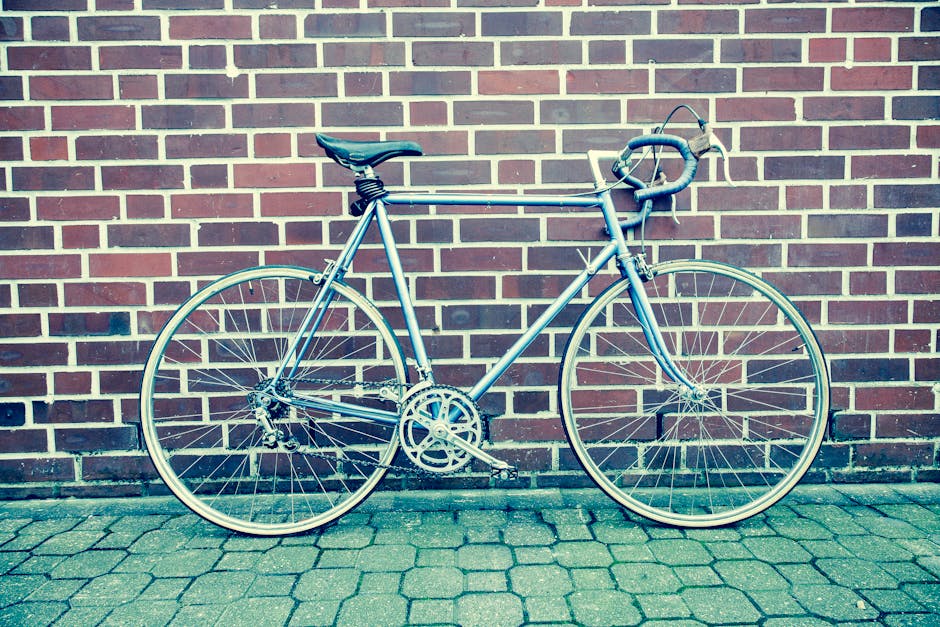
Road Cycling Guide to Training, Nutrition, and Smoother Weekly Progress with a Focus on Setup for Weekend Rides Leave a comment
Road Cycling Guide to Training, Nutrition, and Smoother Weekly Progress with a Focus on Setup for Weekend Rides
If you’re looking to improve your road cycling performance, consistency, and enjoyment—especially on weekend rides—this road cycling guide to training, nutrition, and smoother weekly progress offers a practical roadmap. Whether you’re a weekend warrior or training for longer events, balancing structured workouts, smart fueling, and proper bike setup is essential. This guide breaks down how to build endurance, recover effectively, and prepare your gear so you can ride stronger, longer, and with fewer setbacks—all while fitting training into a busy weekly schedule.
Why a Structured Weekly Plan Matters for Weekend Riders
Most road cyclists don’t have the luxury of training full-time. Work, family, and other commitments mean your riding time is precious. That’s why a well-planned weekly routine—centered around weekend rides—is critical. Instead of sporadic, unfocused efforts, a consistent weekly structure helps you build fitness progressively without burnout.
A typical effective week includes 3–5 rides, with at least one longer endurance session (usually on the weekend), one or two shorter intensity workouts during the week, and rest or active recovery days. For example, a Tuesday interval session might include 4×8-minute efforts at tempo pace with 3-minute recoveries, while Thursday could be a 45-minute endurance ride at a conversational pace. This balance builds aerobic capacity, sharpens speed, and supports recovery.
Key to success is scheduling. Treat your rides like appointments. Block time on your calendar, set reminders, and prepare your kit the night before. Even 30 minutes of focused training midweek can significantly boost your weekend performance.
Building Your Weekly Training Framework
Step 1: Define Your Weekend Ride Goals
Are you aiming to complete a century ride, improve climbing speed, or simply enjoy longer group rides? Your goal shapes your weekly plan. For endurance, prioritize volume. For speed, add intervals. For climbing, include hill repeats.
Example: If your goal is a 100-mile weekend ride in 12 weeks, your weekly long ride should increase gradually—starting at 40 miles and adding 5–10% per week. Midweek, support this with shorter rides that maintain leg turnover and aerobic base.
Step 2: Schedule Key Workouts
Here’s a sample weekly template for a rider targeting weekend endurance:
- Monday: Rest or light cross-training (e.g., 30-min walk or yoga)
- Tuesday: Interval session (e.g., 5×5-min at threshold, 3-min recovery)
- Wednesday: Rest or easy spin (30–45 min at Zone 2)
- Thursday: Tempo ride (60 min with 20 min at steady, challenging pace)
- Friday: Rest or very easy ride (30 min)
- Saturday: Long endurance ride (60–90% of target weekend distance)
- Sunday: Recovery ride or rest
This structure allows for adaptation. Swap days based on your schedule, but keep the balance of stress and recovery.
Step 3: Track Progress and Adjust
Use a simple log or app to record distance, time, average speed, and how you felt. Look for trends—like improving power on climbs or feeling fresher on long rides. If you’re consistently fatigued, reduce volume or add a rest day. Progress isn’t always linear; some weeks you’ll plateau, and that’s normal.
Nutrition: Fueling for Performance and Recovery
What you eat before, during, and after rides directly impacts your energy, endurance, and recovery. Many riders underestimate the importance of nutrition, especially on longer weekend efforts.
Pre-Ride Fueling
Eat a balanced meal 2–3 hours before a ride. Focus on carbohydrates for energy, moderate protein, and low fat and fiber to avoid digestive issues. Example: oatmeal with banana and a scoop of peanut butter, or toast with honey and Greek yogurt.
If you’re riding early and can’t eat a full meal, have a small snack 30–60 minutes prior—like a banana or energy bar. Avoid high-sugar options that cause energy crashes.
During the Ride
For rides under 90 minutes, water may be sufficient. Beyond that, aim for 30–60 grams of carbohydrates per hour. This can come from energy gels, chews, bars, or real food like dried fruit or sandwiches.
Example: On a 3-hour ride, consume one 25g-carb gel every 45 minutes, plus water. Practice your nutrition strategy during training—don’t experiment on race day.
Post-Ride Recovery
Within 30–60 minutes after riding, refuel with a mix of carbs and protein (3:1 or 4:1 ratio). Chocolate milk, a smoothie with fruit and protein powder, or a turkey sandwich are all effective. This window helps replenish glycogen and repair muscles.
Hydration matters too. Weigh yourself before and after long rides. For every pound lost, drink 16–20 oz of fluid. Add electrolytes if sweating heavily.
Bike Setup for Comfort and Efficiency
A poorly set-up bike leads to discomfort, inefficiency, and injury—especially on long weekend rides. Even small adjustments can make a big difference.
Saddle Height and Position
Your saddle should be high enough that your leg is almost straight at the bottom of the pedal stroke (with a slight bend). Too high causes rocking; too low strains knees. Fore-aft position affects power and comfort—adjust so your knee is over the pedal spindle when the crank is horizontal.
Use a plumb line or heel method to check alignment. Small tweaks (5–10mm) can resolve knee pain or lower back strain.
Handlebar Reach and Drop
Reach should allow a slight bend in the elbows when hands are on the hoods. Too long causes back pain; too short reduces control. Drop (height difference between saddle and handlebars) affects aerodynamics and comfort. Beginners may prefer a higher handlebar; experienced riders often go lower for speed.
Consider a professional bike fit if you ride regularly. It’s an investment that pays off in comfort and performance.
Tire Pressure and Rolling Resistance
Proper tire pressure reduces rolling resistance and prevents flats. Use a pressure chart based on tire width and rider weight. For example, a 700x25c tire on a 160-lb rider might run 90–100 psi on smooth roads, but drop to 80–85 psi on rough surfaces for better grip and comfort.
Wider tires (28–32mm) at lower pressures can actually be faster on real-world roads due to reduced vibration and better traction.
Weekly Progress: Small Gains, Big Results
Consistency beats intensity. Smoother weekly progress comes from steady effort, not sporadic hard rides. Follow these principles:
- Increase volume gradually: No more than 10% more miles per week.
- Prioritize recovery: Sleep, nutrition, and rest days are part of training.
- Listen to your body: Soreness is normal; pain is not. Adjust if needed.
- Track trends, not single rides: One bad day doesn’t define progress.
Example: Over 8 weeks, a rider increases weekend ride distance from 50 to 80 miles by adding 3–5 miles per week. Midweek workouts stay consistent, and recovery improves with better sleep and post-ride meals. The result? Stronger, more confident weekend performance.
Common Mistakes to Avoid
Even experienced riders make errors that hinder progress:
- Skipping warm-ups: 10–15 minutes of easy spinning prepares muscles and reduces injury risk.
- Ignoring bike maintenance: Check brakes, gears, and tire wear weekly. A slipping chain or worn brake pads can ruin a ride.
- Overtraining: More isn’t always better. Fatigue, irritability, and declining performance are signs to scale back.
- Poor pacing on long rides: Starting too fast leads to burnout. Aim for a steady, sustainable effort.
Gear Checklist for Weekend Rides
Being prepared prevents delays and enhances safety. Pack this essentials list:
- Helmet (replace every 5 years or after a crash)
- Spare tube and tire levers
- Pump or CO2 inflator
- Multi-tool with hex keys
- Front and rear lights (even in daylight)
- Water bottles or hydration pack
- ID, phone, and emergency cash
- Rain jacket or arm warmers (weather-dependent)
Do a quick pre-ride check: brakes, tire pressure, chain lubrication, and secure wheels.
Final Tips for Sustainable Progress
Road cycling is as much about enjoyment as performance. Keep these in mind:
- Join a local club or group rides for motivation and safety.
- Vary your routes to keep things interesting—explore hills, flats, or scenic roads.
- Celebrate small wins: finishing a tough climb, riding farther than last week, or feeling stronger.
- Be flexible—life happens. Missed a workout? Adjust the plan, don’t quit it.
With a solid road cycling guide to training, nutrition, and smoother weekly progress, you’ll build fitness that lasts—and weekend rides that feel rewarding, not exhausting.
FAQ
How many times a week should I ride to improve for weekend rides?
Most riders benefit from 3–5 rides per week, including one long weekend ride, one or two midweek workouts, and rest or recovery days. Consistency matters more than frequency.
What should I eat before a long weekend ride?
Eat a carb-rich meal 2–3 hours before riding, such as oatmeal with fruit or toast with peanut butter. Avoid high-fat or high-fiber foods that can cause discomfort.
How do I know if my bike fit is correct?
You should feel comfortable and efficient, with no pain in knees, back, or neck. Your elbows should have a slight bend, and your reach to the handlebars should feel natural. Consider a professional bike fit for optimal setup.
