What to Know Before Buying Bicycle Tools for Recovery Rides and Daily Cycling with a Focus on Value for New Cyclists Leave a comment
What to Know Before Buying Bicycle Tools for Recovery Rides and Daily Cycling with a Focus on Value for New Cyclists
If you’re new to cycling, investing in the right bicycle tools can make the difference between a smooth ride and a frustrating roadside breakdown. Whether you’re planning recovery rides on quiet roads or commuting daily through city traffic, having reliable, value-focused tools ensures you’re prepared for common mechanical issues without overspending. This guide breaks down exactly what to know before buying bicycle tools—prioritizing practicality, affordability, and ease of use—so you can ride with confidence from day one.
Why Every New Cyclist Needs Basic Tools
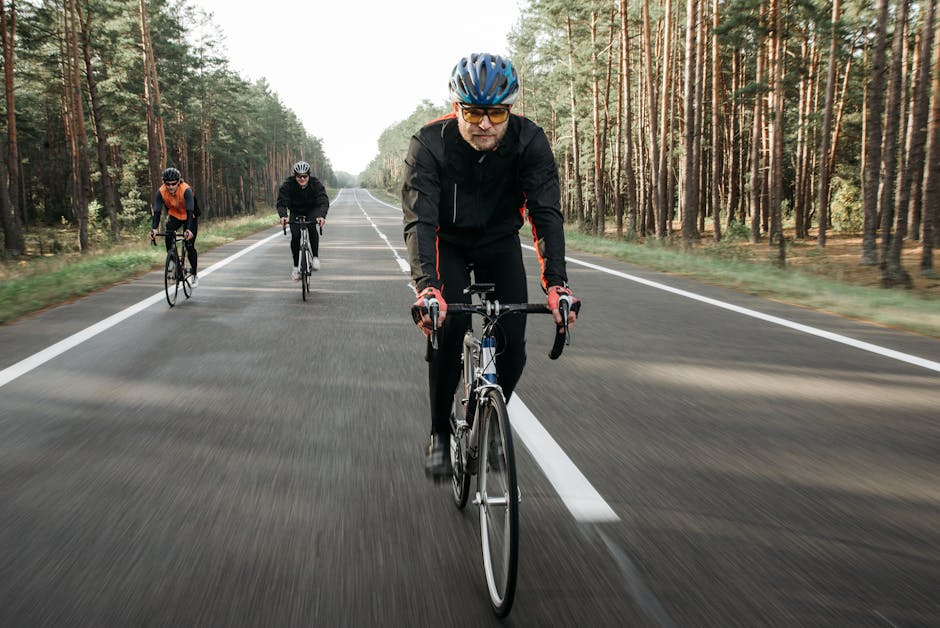
Cycling is low-maintenance compared to motor vehicles, but bikes still require attention. A flat tire, loose bolt, or slipping chain can happen at any time. Without the right tools, even minor issues can turn into long delays or expensive shop visits. For new cyclists, owning a small set of essential tools means independence, cost savings, and peace of mind—especially on longer rides or daily commutes where help isn’t always nearby.
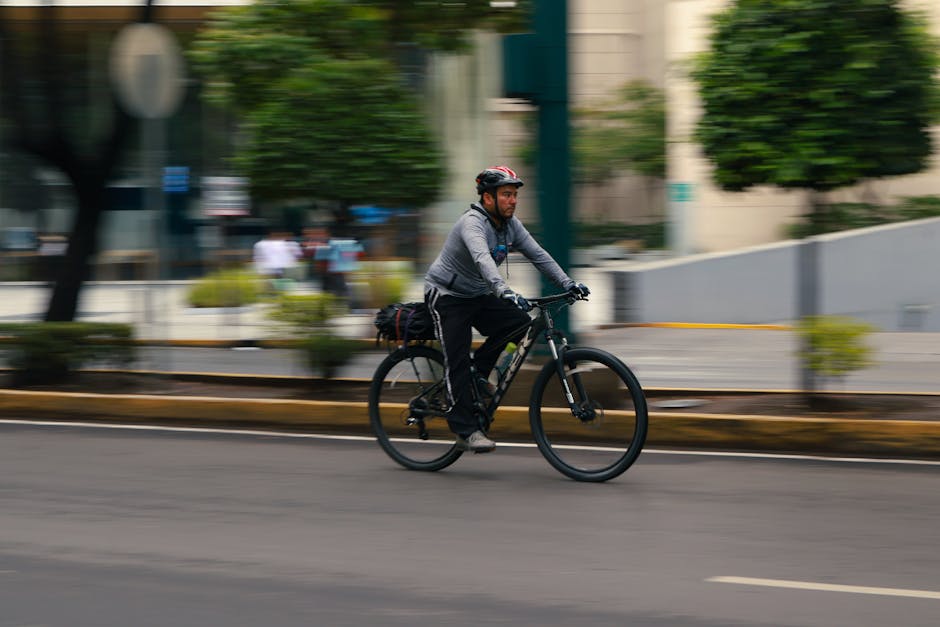
Recovery rides—shorter, relaxed rides meant to aid muscle recovery—often take you on unfamiliar routes. Daily cycling exposes your bike to varying weather, road conditions, and wear. In both cases, carrying the right tools ensures you can handle common problems like punctures, gear adjustments, or brake tweaks without cutting your ride short.
Essential Tools for Recovery Rides and Daily Use
Not all tools are created equal, and as a new cyclist, you don’t need a full workshop. Focus on compact, multi-functional items that address the most frequent issues. Here’s a practical list of must-have tools that balance functionality and value:
- Tire levers (2–3 pieces): Essential for removing tires when fixing a flat. Look for nylon or composite levers—they’re lightweight and won’t damage rims.
- Mini pump or CO₂ inflator: A mini pump is reliable and reusable; CO₂ cartridges are faster but single-use. Many new riders prefer a mini pump for its long-term value.
- Spare inner tube: Match the tube size to your tire (e.g., 700x25c). Carry one spare—two if you’re going on longer rides.
- Multi-tool with hex keys and screwdrivers: A good multi-tool includes 2mm to 6mm hex wrenches, a Phillips and flathead screwdriver, and sometimes a Torx bit. This handles most bolt adjustments on modern bikes.
- Chain tool (optional but useful): If your chain breaks, a small chain tool lets you rejoin it temporarily. Some multi-tools include this feature.
- Patch kit (backup to spare tube): Lightweight and cheap, patch kits are great for emergency repairs if you’re carrying multiple tubes or want a backup.
For daily commuters, consider adding a small rag, a quick-link for your chain, and a spoke wrench if your wheels are prone to minor truing needs. Recovery riders might prioritize weight and compactness, while daily cyclists benefit from durability and ease of access.
Tool Kits vs. Buying Separately: Which Is Better for Value?
Pre-packaged tool kits are convenient and often cheaper than buying individual items. Brands like Topeak, Crankbrothers, and Lezyne offer compact kits designed for on-the-go repairs. These usually include a multi-tool, tire levers, a mini pump, and sometimes a CO₂ inflator—all in a tidy pouch.
However, not all kits are equal. Some include low-quality tools that break under pressure or lack key features. For example, a multi-tool missing a 5mm hex key (common on seat posts and brakes) is nearly useless. Others bundle unnecessary items like chain checkers or spoke tools that new riders rarely need.
Buying separately allows you to choose higher-quality components. A standalone mini pump from a reputable brand often outperforms the one included in a budget kit. Similarly, a durable multi-tool with precise machining will last years, while a cheap one may strip bolts.
Recommendation: Start with a well-reviewed compact kit for convenience, then upgrade individual tools as needed. Look for kits under $50 that include at least a 5mm hex key, tire levers, and a reliable pump. If you already own some tools, supplement with high-quality add-ons.
Key Features to Prioritize When Choosing Tools
Value doesn’t mean buying the cheapest option—it means getting the most reliable performance for your budget. Here’s what to look for in each category:
Multi-Tools
- Material: Steel tools resist wear; aluminum handles reduce weight.
- Bit coverage: Must include 2mm, 2.5mm, 3mm, 4mm, 5mm, and 6mm hex keys. Bonus if it has a Torx T25 for disc brakes.
- Ergonomics: Look for textured grips and fold-out designs that provide leverage.
- Weight and size: Aim for under 150 grams and pocket-friendly dimensions.
Popular options: Crankbrothers M19 ($25–$30), Topeak Mini 9 ($20), or Park Tool IB-3 ($35). The M19 includes a chain tool and spoke wrench—useful extras for new riders.
Mini Pumps
- Pressure capacity: Road bikes need 80–120 PSI; look for pumps rated to at least 100 PSI.
- Valve compatibility: Must fit both Presta and Schrader valves (most modern pumps do).
- Mounting: Frame-mounted pumps save backpack space but can rattle. Handlebar mounts are quieter but less secure.
- Efficiency: Dual-head or dual-stroke pumps inflate faster with less effort.
Top picks: Topeak Road Morph G ($40), Lezyne Pressure Drive ($35), or Vibrelli Mini Pump ($25). The Road Morph G has a fold-out footpad for stability—ideal for high-pressure inflation.
Tire Levers and Patch Kits
Avoid metal levers—they can scratch rims. Nylon levers like Park Tool TL-1.2 ($8 for 3) are durable and gentle. For patch kits, Rema Tip Top or Park Tool GP-2 are reliable. Avoid “ultra-compact” kits with tiny glue bottles—they dry out quickly.
Common Mistakes New Cyclists Make When Buying Tools
Even with good intentions, beginners often fall into traps that reduce value and usability. Avoid these pitfalls:
- Buying oversized kits: A 30-piece toolkit sounds impressive, but you’ll only use 5–6 items. Focus on essentials.
- Ignoring valve types: Most road and hybrid bikes use Presta valves; mountain bikes often use Schrader. Ensure your pump or adapter matches.
- Overlooking weight and portability: Heavy tools discourage carrying them. If it’s too bulky, you won’t bring it on rides.
- Choosing style over function: Flashy colors or branded pouches don’t improve performance. Prioritize tool quality and ergonomics.
- Skipping practice: Owning tools isn’t enough—practice changing a tube at home. A 10-minute repair can take 45 minutes if you’re unfamiliar with the process.
One frequent oversight: not checking compatibility with your bike. For example, some multi-tools don’t fit recessed bolts on carbon frames. Always test tools at home before relying on them on the road.
How to Build a Budget-Friendly Tool Kit Step by Step
You don’t need to spend $100 upfront. Build your kit gradually, starting with the most critical items. Here’s a phased approach:
Phase 1: Immediate Essentials ($25–$40)
- 2–3 tire levers
- 1 spare inner tube (correct size)
- Mini pump (Presta/Schrader compatible)
- Basic multi-tool (2–6mm hex keys, screwdrivers)
This covers 90% of roadside repairs. Store them in a small saddlebag or frame bag.
Phase 2: Upgrades and Extras ($15–$30)
- Patch kit (as backup)
- Quick-link for chain
- Small rag or microfiber cloth
- Spoke wrench (if needed)
These additions improve long-term usability and prepare you for less common issues.
Phase 3: Long-Term Investments ($30+)
- Higher-end multi-tool with better leverage
- CO₂ inflator (for speed, if you ride in groups)
- Digital pressure gauge (for precise tire inflation)
- Portable bike stand (for home maintenance)
Only move to Phase 3 after you’ve used your basic tools and identified gaps in your needs.
Storage and Carrying Tips for Daily and Recovery Rides
Even the best tools are useless if they’re lost, damaged, or inaccessible. Choose a carrying method that fits your riding style:
- Saddlebag: Fits under the seat; ideal for mini pumps, tubes, and levers. Look for water-resistant models with reflective strips.
- Frame bag: Attaches to the top tube; holds multi-tools, snacks, and phone. Great for daily commuters.
- Backpack or hip pack: Convenient but adds weight. Use only if you carry other gear.
- Jersey pocket: Only for ultra-light items like a patch kit or CO₂ cartridge.
For recovery rides, a small saddlebag is usually sufficient. Daily commuters may prefer a frame bag for easy access. Always secure tools to prevent rattling or loss.
When to Visit a Bike Shop Instead
While basic tools handle most issues, some repairs require professional help. Don’t risk damaging your bike by attempting complex fixes. Seek a shop for:
- Wheel truing (bent rims)
- Bottom bracket or headset overhauls
- Internal cable routing adjustments
- Hydraulic brake bleeding
- Frame cracks or structural damage
Even experienced cyclists rely on shops for these tasks. Knowing your limits prevents costly mistakes and keeps your bike in top condition.
Final Checklist Before You Buy
Before purchasing, ask yourself:
- Do the tools match my bike’s components (valve type, bolt sizes)?
- Are they lightweight and easy to carry on every ride?
- Have I practiced using them at home?
- Is the brand reputable with good warranties?
- Am I buying for actual needs, not just “in case” scenarios?
Answering “yes” to these ensures you’re investing wisely.
Conclusion
Choosing the right bicycle tools for recovery rides and daily cycling doesn’t have to be overwhelming. For new cyclists, value means balancing affordability, reliability, and practicality. Start with a core set of essentials—tire levers, a mini pump, spare tube, and a solid multi-tool—then expand as your experience grows. Avoid oversized kits and prioritize tools you’ll actually use. With the right preparation, you’ll spend less time fixing and more time riding.
FAQ
What’s the most important tool for a new cyclist to carry?
The most critical tool is a mini pump or CO₂ inflator, paired with a spare inner tube and tire levers. These three items allow you to fix a flat—the most common roadside issue—without waiting for help.
Can I use a mountain bike multi-tool on a road bike?
Most multi-tools are universal, but check the hex key sizes. Road bikes often use 5mm bolts for brakes and seat posts, which some compact mountain bike tools may omit. Always verify compatibility.
How much should I spend on a beginner bike tool kit?
Aim for $30–$50 for a quality starter kit. This covers a reliable multi-tool, tire levers, a mini pump, and a spare tube. Avoid kits under $20—they often include flimsy tools that break when needed most.
Related keywords: What to know before buying a bicycle tools for recovery rides and daily cycling with a focus on value for new cyclists.
