

Electric Bicycles for New Cyclists Who Want Smooth and Practical Transport Leave a comment
Electric Bicycles for New Cyclists Who Want Smooth and Practical Transport
If you’re new to cycling and looking for a reliable, low-effort way to get around—especially on weekends—electric bicycles offer a smart solution. Designed for comfort, efficiency, and ease of use, e-bikes make short commutes, scenic rides, and errands feel effortless. Unlike traditional bikes, they provide pedal assistance that reduces strain on hills and headwinds, letting you arrive at your destination feeling fresh. For weekend explorers and practical commuters alike, electric bicycles deliver smooth, enjoyable rides without the need for intense fitness or technical skill.
Why Choose an E-Bike Over a Regular Bike?
For beginners, the biggest advantage of an electric bicycle is the built-in motor assistance. This means you can cover more ground with less effort, making longer rides or hilly terrain manageable—even if you’re not in peak shape. Most e-bikes offer multiple levels of pedal assist, so you control how much help you get. Want a light workout? Use low assist. Need to climb a steep hill without breaking a sweat? Crank it up.
Compared to regular bicycles, e-bikes also reduce fatigue, which is especially helpful if you’re riding to a weekend market, meeting friends, or running errands. You’re more likely to keep riding regularly when the experience is enjoyable rather than exhausting. Plus, many models come with features like integrated lights, racks, and fenders—making them practical for real-world use.
Efficiency That Fits Your Lifestyle
Efficiency isn’t just about speed—it’s about how well your ride fits into your routine. Electric bicycles excel here. With an average range of 30 to 70 miles per charge (depending on terrain, assist level, and battery capacity), most riders can complete several weekend trips without recharging. Commuting 10 miles round-trip? That’s easily handled on a single charge.
Charging is simple: plug the battery into a standard wall outlet. Most batteries recharge fully in 3–6 hours. Some models allow you to remove the battery for indoor charging, which is safer and more convenient if you live in an apartment.
Key Features to Look for in Your First E-Bike
Not all e-bikes are created equal, especially for newcomers. Focus on these essential features to ensure a smooth, practical experience:
- Pedal Assist Levels: Look for at least three levels (eco, normal, high) to match your effort to the terrain.
- Battery Range: Aim for a minimum of 30 miles for weekend use. Check real-world reviews—manufacturer claims can be optimistic.
- Motor Type: Hub motors (in the front or rear wheel) are common and affordable. Mid-drive motors offer better balance and hill-climbing power but cost more.
- Frame Style: Step-through frames are easier to mount and dismount, ideal for casual riders or those wearing casual clothing.
- Tires: Wider tires (1.75” to 2.2”) provide more stability and comfort on varied surfaces.
- Weight: E-bikes typically weigh 40–60 pounds. Lighter models are easier to carry upstairs or load onto a rack.
For weekend rides, comfort matters. Look for ergonomic grips, a well-padded saddle, and suspension (either front fork or seat post) to absorb bumps on gravel paths or uneven pavement.
Top E-Bike Types for New Cyclists
Different riding styles call for different e-bike designs. Here are three popular types that suit weekend adventurers and practical riders:
1. City/Commuter E-Bikes
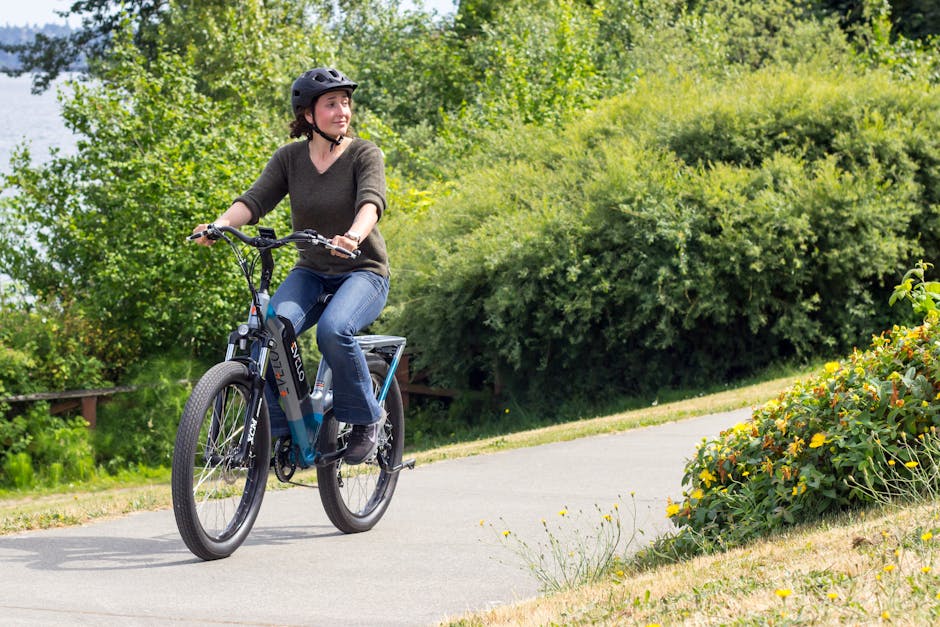
Built for paved roads and bike paths, these models prioritize comfort and utility. They often include fenders, chain guards, rear racks, and built-in lights. Examples include the Rad Power Bikes RadCity and the Trek Verve+. These are excellent for running errands, visiting cafes, or riding through urban parks.
2. Hybrid E-Bikes
Hybrid e-bikes blend road bike speed with mountain bike stability. They handle both pavement and light trails, making them ideal for mixed-terrain weekend rides. Models like the Specialized Turbo Vado or the Cannondale Adventure Neo offer upright seating and versatile tires.
3. Folding E-Bikes
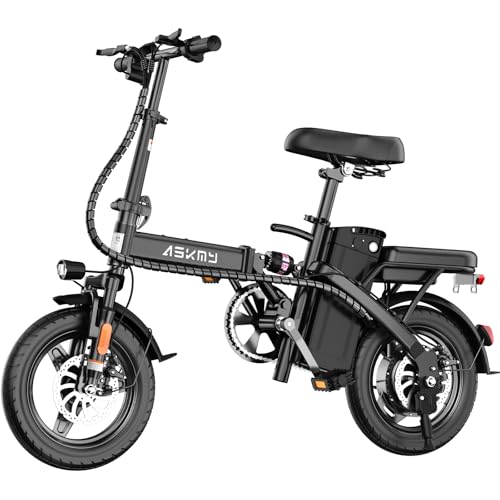
If storage space is limited or you plan to combine biking with public transit, a folding e-bike is a smart choice. The Brompton Electric and Tern Vektron are compact, portable, and still offer solid performance. Great for city dwellers or weekend travelers.
What to Expect on Your First Ride
Starting out on an electric bicycle feels intuitive, but a few tips can help you ride confidently:
- Start in Eco Mode: Use the lowest assist level to get used to the bike’s weight and handling.
- Test the Brakes: E-bikes are heavier, so braking takes a bit more distance. Practice in a safe area.
- Balance Pedal Assist: Don’t rely solely on the motor. Pedaling helps extend battery life and improves control.
- Plan Your Route: Choose flat, low-traffic paths for your first few rides. Apps like Komoot or Google Maps can help find bike-friendly roads.
Wear a helmet, follow traffic rules, and use hand signals. Even with motor assistance, e-bikes are still bicycles—and safety comes first.
Maintenance Made Simple
E-bikes require slightly more upkeep than regular bikes due to the electrical components, but maintenance is still straightforward. Follow these basics:
- Battery Care: Avoid fully draining the battery. Store it at around 50–70% charge if not using the bike for weeks. Keep it in a dry, temperature-controlled environment.
- Tire Pressure: Check monthly. Properly inflated tires improve range and reduce flats.
- Chain Lubrication: Clean and lube the chain every 100–200 miles to prevent wear.
- Brake Inspection: Hydraulic disc brakes need occasional bleeding; mechanical brakes may need pad adjustments.
- Software Updates: Some e-bikes have firmware that can be updated via a manufacturer app—check periodically.
Most local bike shops service e-bikes, but confirm this before buying. Some brands have limited dealer networks, which can affect long-term support.
Cost Considerations and Value
Electric bicycles range from $800 to over $5,000. For new cyclists, a good starting point is the $1,200–$2,500 range, where you’ll find reliable models with solid components and decent battery life.
Consider total cost of ownership. Cheaper e-bikes may use lower-quality motors or batteries that degrade faster. Investing in a reputable brand often means better warranties (typically 1–2 years on the motor and battery), customer service, and resale value.
Also factor in savings: e-bikes reduce fuel costs, parking fees, and public transit expenses. Over time, they can pay for themselves—especially if used for regular short trips.
Safety Tips for Weekend Riders
Weekend rides often mean busier roads and more distractions. Stay safe with these practices:
- Be Visible: Wear bright clothing and use front and rear lights, even during the day.
- Use Bike Lanes: Whenever possible, ride in designated lanes or on multi-use paths.
- Avoid Headphones: Keep one ear free to hear traffic, especially at intersections.
- Lock It Properly: Use a U-lock through the frame and rear wheel. E-bikes are attractive targets for thieves.
- Check Local Laws: Some areas classify e-bikes by speed and power. Class 1 and 2 e-bikes (up to 20 mph) are allowed on most bike paths; Class 3 (up to 28 mph) may have restrictions.
Real-World Example: A Weekend Ride with an E-Bike
Imagine a Saturday morning ride from your suburban home to a lakeside park 12 miles away. With a regular bike, you might arrive tired and sweaty. With an electric bicycle, you set off in eco mode, enjoy the scenery, and arrive relaxed. At the park, you lock your bike, grab a coffee, and explore on foot. On the way back, you increase assist slightly to handle a gentle incline—no problem. Total ride time: about 50 minutes. Battery used: 35%. You’re home in time for lunch, feeling energized, not exhausted.
This is the kind of practical, enjoyable experience e-bikes are designed for.
Final Thoughts: Is an E-Bike Right for You?
If you’re new to cycling and want a smooth, efficient way to get around—especially on weekends—an electric bicycle is a smart investment. They remove common barriers like hills, fatigue, and long distances, making cycling accessible and fun. With the right model, you’ll find yourself riding more often, exploring new places, and enjoying the benefits of active transportation without the strain.
Start by test riding a few models at a local shop. Pay attention to comfort, ease of use, and how the motor responds. Your perfect e-bike should feel like a natural extension of your movement—not a machine you have to fight with.
FAQ
How far can I ride on a single charge?
Most e-bikes offer 30 to 70 miles per charge, depending on battery size, terrain, rider weight, and assist level. For weekend rides under 20 miles, one charge is usually sufficient.
Do I need a license or insurance to ride an e-bike?
In most U.S. states and many countries, Class 1 and 2 e-bikes (up to 20 mph) do not require a license or insurance. Class 3 models may have different rules. Always check local regulations.
Can I ride an e-bike in the rain?
Yes, most e-bikes are designed to handle light to moderate rain. Avoid submerging the battery or motor, and dry the bike after wet rides to prevent corrosion.
Related keywords: Electric bicycles for new cyclists who want smooth and practical transport with a focus on efficiency for weekend rides.
