
Road Cycling Advice for Beginners: Training and Group Riding Tips for Safe Weekend Rides Leave a comment
Road Cycling Advice for Beginners: Training and Group Riding Tips for Safe Weekend Rides
Starting your journey into road cycling can be both exciting and intimidating. Whether you’re aiming to build fitness, enjoy scenic weekend rides, or join a local cycling group, the right road cycling advice for beginners can make all the difference. The key to success lies not just in logging miles, but in developing control, confidence, and smart habits—especially when riding in groups. This guide covers essential training tips, group riding etiquette, and practical strategies to help you ride safely and enjoyably from your first pedal stroke to your first century ride.
Why Control Matters in Road Cycling
For new riders, control is the foundation of safety and enjoyment. Unlike casual biking, road cycling often involves higher speeds, tighter formations, and unpredictable road conditions. Maintaining control means being able to brake smoothly, corner confidently, and react quickly to traffic or other cyclists. Without it, even a small mistake can lead to a fall or collision—particularly in a group setting where one rider’s error can affect many.
Control starts with your bike setup. Ensure your saddle height allows a slight bend in your knee at the bottom of the pedal stroke. Handlebars should be at a comfortable reach—too far and you lose steering precision; too close and you compromise breathing and posture. Practice emergency stops in a quiet parking lot: apply both brakes evenly, with slightly more pressure on the front brake, and shift your weight back to prevent going over the bars.
Getting Started: Your First Training Steps
Before joining group rides or tackling long weekend routes, build a solid base with consistent training. Start with short, manageable rides—30 to 45 minutes at a conversational pace. Focus on smooth pedaling, not speed. Use a heart rate monitor or perceived exertion scale to stay in Zone 2 (60–70% of max heart rate), which builds aerobic endurance without burnout.
Here’s a simple 4-week progression plan for beginners:
- Week 1: Three 30-minute rides on flat terrain. Practice shifting gears and braking.
- Week 2: Add one longer ride (45–60 minutes) and include gentle hills.
- Week 3: Increase frequency to four rides; introduce interval efforts (e.g., 2 minutes hard, 3 minutes easy, repeat 4x).
- Week 4: Aim for a 90-minute weekend ride. Focus on staying relaxed and maintaining steady cadence (80–90 RPM).
Avoid the common mistake of pushing too hard too soon. Overtraining leads to fatigue, injury, and burnout. Listen to your body—rest days are part of progress.
Essential Gear for Safe and Comfortable Rides
You don’t need the most expensive bike to get started, but proper gear significantly improves safety and comfort. Here’s what every beginner should prioritize:
| Item | Why It Matters |
|---|---|
| Helmet | Non-negotiable. Look for CPSC or CE certification. Replace after any impact. |
| Clipless pedals & shoes | Improve power transfer and control. Start with entry-level pedals like Shimano SPD or Look Keo. |
| Padded cycling shorts | Reduce saddle soreness on longer rides. Avoid wearing underwear underneath. |
| Front and rear lights | Required by law in many areas, even during the day. Increases visibility. |
| Repair kit | Includes spare tube, tire levers, mini pump, and multitool. Practice changing a tube at home. |
Clothing matters too. Bright, reflective jerseys increase visibility, while moisture-wicking fabrics keep you dry. Avoid loose pants or baggy shorts—they can get caught in the drivetrain.
Mastering Group Riding: Etiquette and Tactics
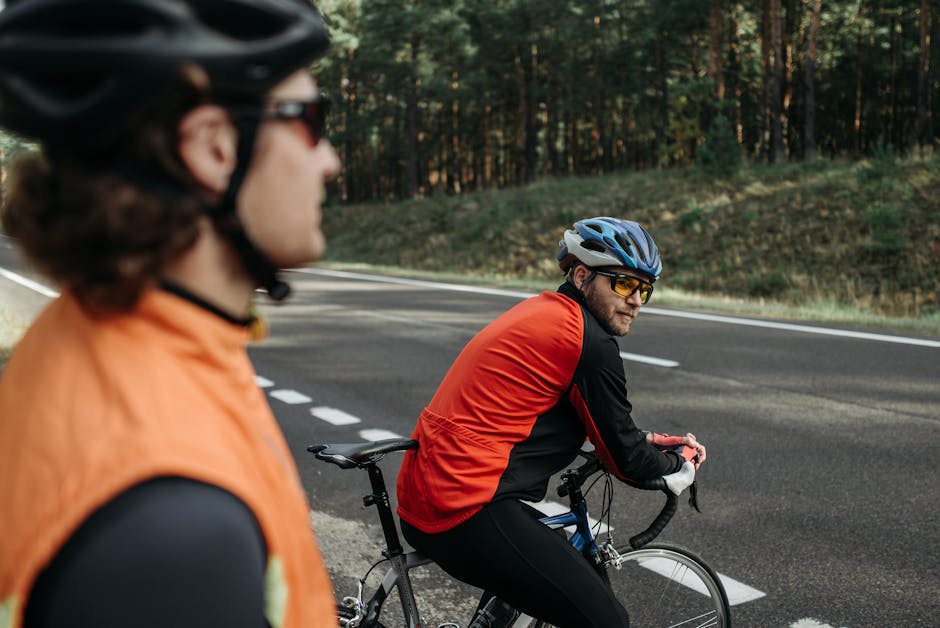
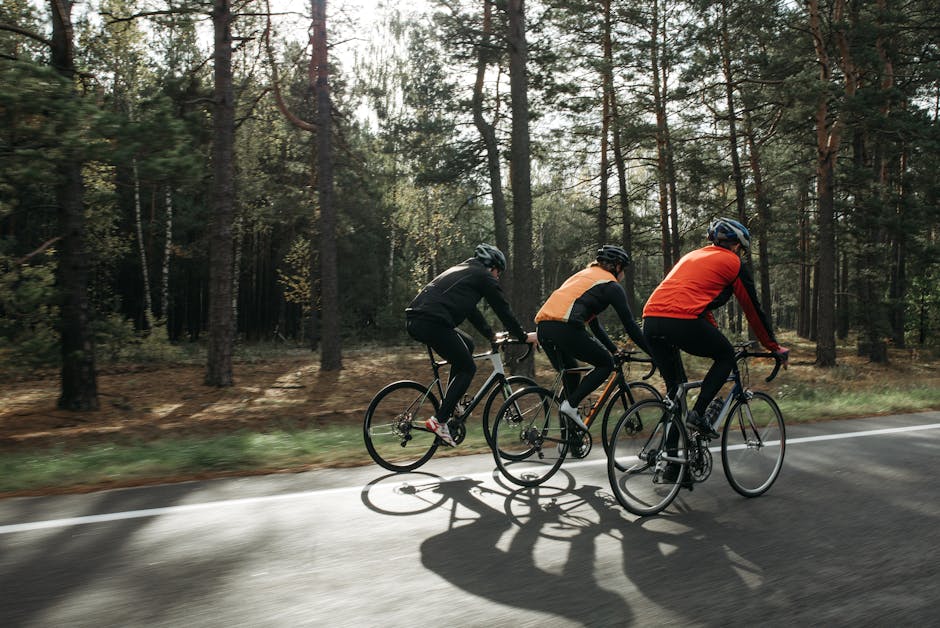
Group rides are a cornerstone of road cycling culture, offering motivation, camaraderie, and faster progress. But they require awareness and discipline. Riding in a peloton or paceline demands constant attention to spacing, communication, and rhythm.
Start by joining beginner-friendly groups or “no-drop” rides, where the group waits for slower riders. These are ideal for learning the ropes without pressure.
Key Group Riding Rules
- Maintain a steady line: Don’t swerve or brake suddenly. Ride predictably so others can follow safely.
- Keep a safe distance: Leave about one bike length between you and the rider ahead. In wet conditions, increase this to two.
- Communicate clearly: Use hand signals for turns and stops. Call out hazards like “car back,” “hole left,” or “slowing.”
- Rotate in pacelines: In a single-file line, take a short pull at the front (30–60 seconds), then move to the back. Don’t half-wheeling—match the pace of the rider beside you.
- Stay relaxed: Tension in your upper body reduces control. Keep elbows slightly bent, shoulders down, and eyes up.
One of the biggest mistakes beginners make is looking down at the wheel in front. Instead, keep your gaze 10–15 meters ahead to anticipate changes in pace or road surface. This gives you time to react smoothly.
Handling Common Challenges on Weekend Rides
Weekend rides often cover varied terrain and longer distances, which can expose weaknesses in fitness, bike handling, or preparation. Here’s how to handle common scenarios:
Climbing Hills
Shift to an easier gear before you need it. Stay seated as long as possible to conserve energy. If you must stand, keep your upper body stable—don’t rock the bike side to side. Focus on steady breathing and a consistent cadence.
Descending Safely
Keep your weight back, hands on the brake hoods or drops, and fingers covering the brakes. Look far ahead, not at your front wheel. Use both brakes evenly—rear first to avoid skidding, then front for stronger stopping power. Never brake in sharp corners.
Dealing with Traffic
Ride predictably and follow traffic laws. Use bike lanes when available, but stay alert for opening car doors or turning vehicles. Make eye contact with drivers at intersections. If a road feels unsafe, dismount and walk your bike.
Weather Conditions
Rain reduces traction and visibility. Slow down, increase following distance, and avoid painted road markings and manhole covers. In wind, ride in a staggered formation to reduce drag. Dress in layers and bring a lightweight rain jacket.
Nutrition and Hydration for Longer Rides
Even on a 2-hour ride, fueling matters. Dehydration and low blood sugar can lead to fatigue, cramps, or dizziness—especially in a group where you can’t easily stop.
Aim to drink 500ml of water per hour, more in heat. For rides over 90 minutes, add electrolytes and consume 30–60 grams of carbohydrates per hour. Easy options include energy gels, bananas, or homemade mix of honey and salt in water.
Pack snacks in jersey pockets or a top tube bag. Practice eating and drinking while riding—don’t wait until you’re thirsty or hungry.
Building Confidence Through Practice
Confidence comes from repetition and experience. Set small goals: complete your first group ride, climb a local hill without stopping, or ride 50 miles without discomfort. Celebrate progress, not just performance.
Practice specific skills regularly:
- Cornering: Lean the bike, not your body. Look through the turn.
- Track stands: Balance at a stop sign to improve control at low speeds.
- Riding one-handed: Useful for signaling or drinking.
Consider a skills clinic or coaching session. Many cycling clubs offer beginner workshops that cover bike handling, safety, and group dynamics.
When to Upgrade Your Bike or Gear
Most beginners start on entry-level aluminum road bikes, which are durable and affordable. You don’t need carbon fiber or electronic shifting to enjoy cycling. Upgrade only when your current setup limits your progress.
Common reasons to upgrade:
- Your bike is the wrong size or has poor geometry for your body.
- Components (gears, brakes) are worn or unreliable.
- You’re consistently riding 100+ miles per week and want better efficiency.
Focus first on fit and maintenance. A well-tuned bike with properly inflated tires and clean drivetrain performs better than a high-end model that’s neglected.
Staying Motivated and Injury-Free
Consistency beats intensity. Aim for 3–4 rides per week rather than one long, exhausting session. Mix up your routes—explore new trails, join themed rides, or set personal challenges.
Prevent overuse injuries by varying your training. Include cross-training like swimming or strength work to build balanced fitness. Stretch after rides, especially your hamstrings, quads, and hips.
Pay attention to pain. Saddle sores, knee pain, or numb hands often signal fit issues or overtraining. Adjust your position or take a rest day before problems worsen.
Final Tips for Weekend Ride Success
Weekend rides are the highlight of many cyclists’ weeks. To make the most of them:
- Check your bike the night before: tires, brakes, chain, and bolts.
- Plan your route using apps like Strava or Komoot. Note elevation, road conditions, and rest stops.
- Arrive early to warm up and introduce yourself to the group leader.
- Start at the back of the group until you feel confident.
- Bring a phone, ID, and emergency contact info.
Remember, every experienced cyclist was once a beginner. Progress comes with time, patience, and practice. Focus on control, respect the group, and enjoy the ride.
FAQ
How fast should I expect to go as a beginner on group rides?
Most beginner group rides average 14–18 mph on flat terrain. Speed varies by group and route—don’t compare yourself to others. Focus on maintaining a steady pace and staying with the group.
What should I do if I fall behind during a group ride?
Stay calm and signal to the group. Most organized rides will slow or stop for dropped riders. If it’s a no-drop ride, the group will wait. If not, follow the route and regroup at the next stop. Always carry a phone and know the route.
Is it safe to ride in traffic as a new cyclist?
Yes, with caution. Choose roads with bike lanes or low traffic. Ride predictably, obey traffic laws, and wear bright clothing. Avoid busy highways and high-speed roads until you gain experience and confidence.
With the right approach, road cycling offers endless rewards—fitness, freedom, and community. Use this road cycling advice for beginners to build a strong foundation, ride with control, and make every weekend ride a safe and enjoyable adventure.
Related keywords: Road cycling advice for beginners starting training and group riding with a focus on control for weekend rides.
