

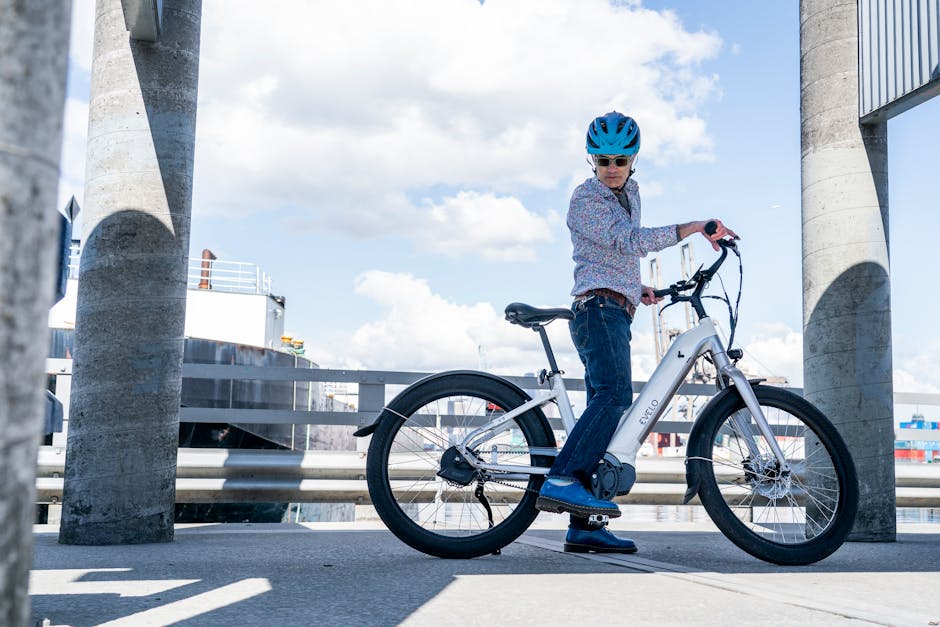
Electric Bicycles Buying Ideas for Families, Commuters, and Fitness Riders with a Focus on Speed for Weekend Rides Leave a comment
Electric Bicycles Buying Ideas for Families, Commuters, and Fitness Riders with a Focus on Speed for Weekend Rides
Choosing the right electric bicycle depends heavily on how you plan to use it. Whether you’re a family shuttling kids to school, a commuter navigating city streets, or a fitness enthusiast craving faster weekend rides, speed, range, and comfort matter. This guide offers clear electric bicycles buying ideas tailored to each rider type, with a special focus on models that deliver reliable speed for weekend adventures. You’ll learn what to prioritize, which features deliver real value, and how to match a bike to your lifestyle—without overspending or compromising on performance.

Why Speed Matters for Weekend Rides
Weekend rides are often longer, more varied, and taken on open roads or scenic trails where speed enhances the experience. Unlike daily commutes, these outings benefit from higher assist levels, responsive motors, and aerodynamic designs. For fitness riders, speed helps maintain training intensity. For families, it means keeping up with faster-paced group rides. Commuters who extend their trips on weekends also appreciate the extra boost to cover more ground in less time.
Most e-bikes in the 20–28 mph (32–45 km/h) range are classified as speed pedelecs or Class 3 e-bikes. These models require pedaling to activate the motor but provide strong assistance up to higher speeds. They’re ideal for riders who want to go farther, climb hills easily, or simply enjoy a brisk ride without arriving sweaty.
Key Features to Prioritize When Buying an E-Bike
Not all e-bikes are built the same. Before comparing models, understand which components directly impact speed, comfort, and usability.
- Motor type and power: Mid-drive motors (like those from Bosch or Shimano) offer better weight distribution and hill-climbing efficiency. Hub motors are simpler and often found on budget models. Look for motors rated between 250W and 750W—higher wattage generally means more torque and speed support.
- Battery capacity: Measured in watt-hours (Wh), a higher number means longer range. A 500Wh battery is a solid baseline; 625Wh or more is better for longer weekend rides. Lithium-ion batteries are standard and should last 500–1,000 charge cycles.
- Frame geometry: Step-through frames suit families and older riders. Sportier, performance-oriented frames benefit fitness riders. Commuters often prefer upright positions for visibility.
- Tire width and tread: Wider tires (2.0″ or more) add stability and comfort on rough roads. Slick or semi-slick treads reduce rolling resistance, improving speed.
- Braking system: Hydraulic disc brakes provide reliable stopping power, especially at higher speeds or in wet conditions. Avoid mechanical discs or rim brakes for speed-focused riding.
- Assist levels and display: Multiple pedal-assist modes let you control energy use. A clear display showing speed, battery level, and range helps plan longer rides.
Electric Bicycles Buying Ideas for Families
Families need e-bikes that prioritize safety, cargo capacity, and ease of use. Speed is still valuable—especially when coordinating with other riders or covering longer distances—but it shouldn’t come at the cost of stability or practicality.
Top Considerations for Family E-Bikes
- Cargo options: Look for rear racks, front baskets, or integrated child seats. Some models, like the Rad Power Bikes RadWagon, support up to 350 lbs total weight.
- Step-through design: Makes mounting and dismounting easier for children, parents, or riders with limited mobility.
- Integrated lighting: Front and rear lights improve visibility during early morning school runs or evening returns.
- Throttle availability: A throttle lets you start from a stop without pedaling—useful when carrying heavy loads or helping kids board.
Recommended Family Models
| Model | Top Speed | Battery | Cargo Capacity | Best For |
|---|---|---|---|---|
| Rad Power Bikes RadWagon 4 | 20 mph | 672Wh | 350 lbs | Long family trips, grocery runs |
| Trek Allant+ 7S | 28 mph | 625Wh | 220 lbs | Urban families wanting speed |
| Specialized Turbo Vado SL 5.0 | 28 mph | 600Wh (expandable) | 220 lbs | Lightweight, fast weekend rides |
While the RadWagon maxes out at 20 mph, its cargo strength makes it ideal for heavy loads. The Trek Allant+ and Specialized Turbo Vado SL offer Class 3 speeds (up to 28 mph), giving families the option to ride faster when conditions allow. Both include integrated lights, fenders, and racks—practical for daily use.
Electric Bicycles Buying Ideas for Commuters
Commuters value reliability, weather protection, and efficiency. Speed helps reduce travel time, especially in cities with traffic congestion. However, range, durability, and low maintenance are equally important.
What Commuters Should Look For
- Range of 40–60 miles: Enough for most urban commutes with buffer for detours or weekend extensions.
- Fenders and chain guards: Keep you clean in rain or on dirty roads.
- Puncture-resistant tires: Reduces downtime from flats.
- Upright riding position: Improves visibility in traffic.
- Quick-charge capability: Some batteries can reach 80% in under 3 hours—useful for midday top-ups.
Top Commuter E-Bikes with Speed
The Trek Allant+ 8S combines a Bosch Performance Line Speed motor with a 625Wh battery, delivering smooth acceleration up to 28 mph. It includes a rear rack, lights, and a suspension fork for comfort on rough pavement. Priced around $4,200, it’s a premium option for serious commuters.
The Juiced CrossCurrent X offers similar speed (28 mph) at a lower price (~$2,500). It uses a rear hub motor and a large 960Wh battery, giving it one of the longest ranges in its class. However, it lacks some refinements like hydraulic disc brakes (it uses mechanical discs), which may affect braking performance in wet conditions.
For budget-conscious riders, the Ancheer AN-EB003 ($1,200) provides 20 mph top speed and basic commuter features. It’s lightweight and includes a rear rack, but the battery (480Wh) may not last a full week of long commutes.
Electric Bicycles Buying Ideas for Fitness Riders
Fitness-focused riders use e-bikes to extend workouts, train on hills, or recover between intense sessions. Speed is a core benefit—allowing longer distances or higher average speeds without overexertion.
Performance Features for Fitness Use
- Lightweight frame: Carbon or aluminum frames under 50 lbs improve handling and efficiency.
- Sport-oriented geometry: Encourages an aerodynamic posture for faster riding.
- Precise gear shifting: Shimano or SRAM drivetrains with 9–12 speeds help maintain cadence.
- Regenerative braking (rare): Some high-end models recover energy during braking, though the gain is minimal.
- App integration: Syncs with Strava or Garmin to track speed, distance, and effort.
Best E-Bikes for Fitness and Speed
The Specialized Turbo Creo SL is built for performance. With a lightweight motor (38 lbs total), it feels like a traditional road bike but offers up to 28 mph assist. The Expert model includes a 608Wh battery and Shimano GRX gravel components, making it ideal for fast weekend rides on mixed terrain.
The Cannondale Topstone Neo Carbon Lefty uses a Bosch CX motor and a unique single-sided fork for reduced weight. It’s designed for gravel and road use, with drop bars and 2×11-speed shifting. At 44 lbs, it’s one of the lighter Class 3 e-bikes available.
For a more affordable option, the Ribble Hybrid AL e ($3,299) blends road bike aesthetics with e-assist. It reaches 28 mph and includes a 504Wh battery. Its rigid frame and narrow tires prioritize speed over comfort, so it’s best suited for smooth roads.
How to Test Ride and Compare Models
Reading specs is helpful, but nothing replaces a test ride. Here’s how to evaluate e-bikes in person:
- Check motor response: Pedal gently and note how quickly the motor engages. A lag of more than 1–2 seconds can feel jarring.
- Test hill climbing: Find a moderate incline. A good motor should maintain speed without excessive pedaling.
- Assess braking: Apply brakes at 15–20 mph. Hydraulic discs should stop the bike smoothly without squealing or pulling to one side.
- Evaluate comfort: Ride for at least 10 minutes. Pay attention to hand numbness, back strain, or seat discomfort.
- Review controls: Ensure the display is readable in sunlight and buttons are easy to use while riding.
Many retailers offer 14–30 day return policies. Use this window to test the bike in real-world conditions—commuting, weekend rides, or family outings.
Common Mistakes to Avoid When Buying an E-Bike
- Overlooking local laws: Class 3 e-bikes (28 mph) may be restricted on bike paths or require helmets. Check city and state regulations.
- Ignoring maintenance needs: E-bikes require regular checks on brakes, tires, and battery connections. Mid-drive motors need chain and cassette replacements more often.
- Choosing based on price alone: A $1,000 e-bike may save money upfront but lack durability, warranty, or service support.
- Underestimating battery degradation: Batteries lose capacity over time. Look for models with replaceable batteries and at least a 2-year warranty.
- Skipping insurance: High-end e-bikes can cost $3,000–$6,000. Consider adding coverage to your homeowner’s or renter’s policy.
Final Tips for Weekend Speed Riders
If weekend speed is your priority, focus on Class 3 models with mid-drive motors and batteries of 600Wh or more. These bikes balance power, range, and handling. Avoid heavy cargo e-bikes unless you need the capacity—they’re slower and less agile.
Also, consider upgrading components over time. Wider tires, a better saddle, or aerodynamic handlebars can improve speed and comfort without replacing the entire bike.
Finally, maintain consistent pedal cadence. E-bikes assist based on pedal input, so spinning at 70–90 RPM maximizes efficiency and speed.
FAQ
Q: Can I modify my e-bike to go faster than 28 mph?
A: Technically yes, but it’s not recommended. Modifying speed limiters may void warranties, damage the motor, and violate local laws. Most regions classify e-bikes over 28 mph as mopeds or motorcycles, requiring registration and licensing.
Q: How far can I ride on a single charge at high speed?
A: Range drops significantly at higher speeds. A 625Wh battery may deliver 60 miles at 15 mph but only 30–35 miles at 28 mph. Always check real-world range reviews, not just manufacturer estimates.
Q: Are fast e-bikes safe for beginners?
A: With proper training, yes. Start in lower assist modes and practice braking and turning at speed. Always wear a helmet, use lights, and avoid busy roads until confident.
