
Useful Cycling Tips to Avoid Fatigue and Improve Daily Riding Performance with a Focus on Control for Weekend Rides Leave a comment
Useful Cycling Tips to Avoid Fatigue and Improve Daily Riding Performance with a Focus on Control for Weekend Rides
Whether you’re commuting to work or enjoying a weekend spin, maintaining energy and control on your bike is essential for both safety and enjoyment. The most effective useful cycling tips to avoid fatigue and improve daily riding performance with a focus on control for weekend rides combine smart preparation, proper technique, and consistent habits. By optimizing your nutrition, bike setup, pacing, and recovery, you can ride longer, feel fresher, and handle varied terrain with confidence. This guide breaks down practical, science-backed strategies to help you ride stronger and smarter—without burnout.
Optimize Your Bike Fit for Comfort and Control
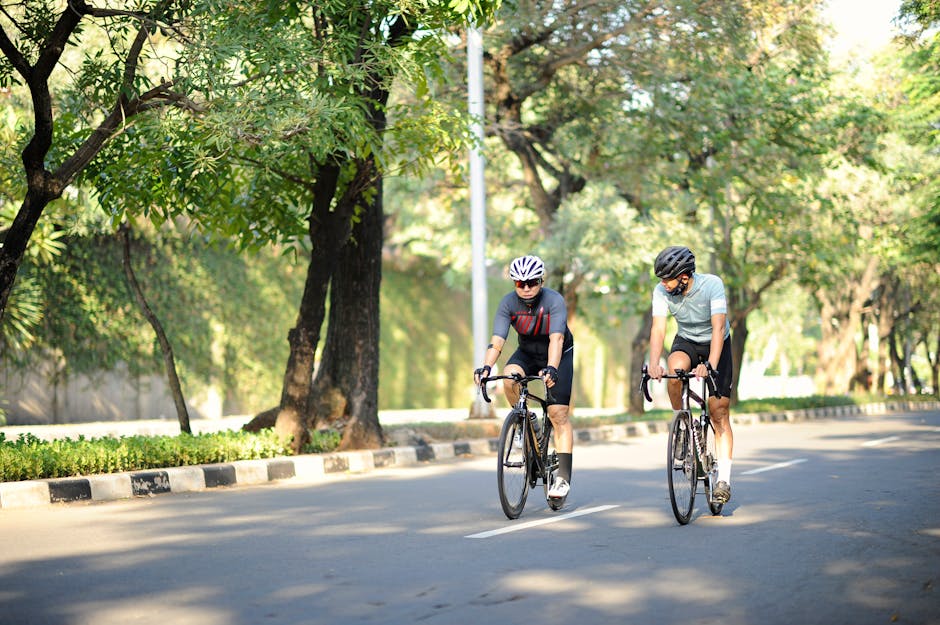
A poorly fitted bike is one of the fastest ways to accumulate fatigue and lose control, especially on longer weekend rides. Even small adjustments can dramatically improve your efficiency and reduce strain on your back, neck, and knees.
Key Adjustments for a Better Fit
- Saddle height: When your heel is on the pedal at the bottom of the stroke, your leg should be straight. This ensures optimal power transfer and prevents overextension.
- Handlebar reach: You should be able to rest your hands on the bars with a slight bend in your elbows and relaxed shoulders. Too far forward increases strain; too close reduces control.
- Saddle position: Adjust fore/aft so that when the crank is horizontal, your forward knee aligns vertically with the pedal spindle.
For example, a rider who shifts their saddle 1 cm forward may notice reduced lower back pain and improved climbing posture. Consider a professional bike fit if you experience persistent discomfort or numbness.
Fuel Smart to Sustain Energy and Delay Fatigue
What you eat before and during your ride directly impacts your stamina and mental focus. Skipping meals or relying on sugary snacks leads to energy crashes, especially on rides over 60 minutes.
Pre-Ride Nutrition
Eat a balanced meal 2–3 hours before riding, combining complex carbs, lean protein, and healthy fats. A bowl of oatmeal with banana and almond butter, or whole-grain toast with eggs, provides steady energy without digestive stress.
On-the-Bike Fueling
For rides lasting more than 90 minutes, aim to consume 30–60 grams of carbohydrates per hour. This can come from energy gels, bananas, or homemade mix of dates and nuts. Pair with small sips of water every 15 minutes to aid absorption.
| Duration | Carbohydrate Intake | Hydration |
|---|---|---|
| Under 60 minutes | Not usually needed | Water as needed |
| 60–90 minutes | Small snack (e.g., banana) | 500ml water |
| Over 90 minutes | 30–60g carbs/hour | 500–750ml water/hour |
Master Pacing to Conserve Energy and Maintain Control
Many riders start too fast, leading to early exhaustion and reduced control on technical sections. Pacing—riding at a sustainable effort level—is crucial for endurance and safety.
Use the Talk Test
If you can speak in full sentences while riding, you’re likely in the right aerobic zone. If breathing becomes labored and speech is limited to short phrases, you’re pushing too hard. On weekend rides with hills or trails, aim to stay in this conversational zone for at least 70% of your ride.
Monitor Heart Rate or Power (If Available)
For structured training, staying below 75% of your maximum heart rate during endurance rides helps build aerobic base without overreaching. If using a power meter, aim for 60–75% of your functional threshold power (FTP) on long rides.
Example: On a 30-mile weekend ride with rolling hills, a steady pace of 14–16 mph with brief bursts on climbs preserves energy better than alternating between sprinting and coasting.
Improve Bike Handling for Better Control
Control isn’t just about speed—it’s about confidence in corners, descents, and traffic. Strong bike handling reduces mental fatigue and prevents accidents.
Essential Handling Skills
- Brake before corners, not during: Slow down before entering a turn, then accelerate gently through it. Braking mid-corner reduces traction and increases skid risk.
- Weight distribution: Shift your weight back on steep descents and forward on climbs. Keep your center of gravity low and over the pedals.
- Look ahead: Your eyes should scan 10–15 seconds ahead. This gives your body time to react to obstacles, turns, or changes in surface.
- Use both brakes: The front brake provides 70% of stopping power. Apply it gradually to avoid going over the bars.
Practice these skills on quiet roads or empty parking lots. Try riding one-handed (briefly) to improve balance, or practice emergency stops to build muscle memory.
Build Endurance Gradually to Avoid Overtraining
Sudden increases in mileage or intensity are a common cause of fatigue and injury. Follow the 10% rule: increase your weekly riding distance by no more than 10% from the previous week.
Sample Weekly Progression
- Week 1: 3 rides, 15 miles total
- Week 2: 3 rides, 16.5 miles total
- Week 3: 3 rides, 18 miles total
- Week 4: Recovery week—reduce to 12 miles
This gradual buildup strengthens muscles, improves cardiovascular fitness, and reduces burnout. Include at least one rest day per week to allow recovery.
Wear the Right Gear for Comfort and Safety
Clothing and equipment play a bigger role in fatigue than many realize. Ill-fitting gear causes chafing, overheating, or restricted movement—all of which drain energy.
Must-Have Items
- Padded cycling shorts: Reduce saddle soreness on long rides. Avoid wearing underwear beneath them.
- Helmet: Always wear a properly fitted helmet. Replace it after any impact or every 5 years.
- Gloves: Absorb vibration and protect hands in a fall.
- Layered clothing: Dress in moisture-wicking layers you can remove as you warm up.
For weekend rides in variable weather, pack a lightweight windbreaker and arm warmers. A small saddle bag with a spare tube, multi-tool, and pump ensures you’re prepared for mechanical issues without needing to cut a ride short.
Stretch and Recover to Ride Stronger Next Time
Recovery is where fitness improves. Skipping post-ride care leads to tight muscles, stiffness, and longer rest periods.
Post-Ride Routine
- Cool down with 5–10 minutes of easy spinning.
- Stretch major muscle groups: hamstrings, quads, calves, and hip flexors. Hold each stretch for 30 seconds.
- Rehydrate with water or an electrolyte drink.
- Eat a meal with a 3:1 ratio of carbs to protein within 45 minutes (e.g., chocolate milk and a banana).
Foam rolling once a week can further reduce muscle soreness and improve flexibility. Even 10 minutes makes a noticeable difference over time.
Plan Your Weekend Rides for Maximum Enjoyment
Preparation reduces stress and helps you focus on the ride. A well-planned route keeps you safe and engaged.
Route Planning Tips
- Use apps like Komoot or Strava to find low-traffic roads or trails.
- Check elevation profiles—avoid stacking too many climbs in one ride unless training for an event.
- Identify rest stops or cafes along the way for refueling breaks.
- Share your route with someone in case of emergencies.
Example: A 25-mile loop through a nearby state park with a mix of flat sections and gentle hills offers variety without excessive strain. Include a scenic overlook or trailside café to make the ride more rewarding.
Listen to Your Body to Prevent Overuse Injuries
Pushing through pain leads to longer-term issues like tendonitis or stress fractures. Differentiate between normal muscle fatigue and warning signs.
When to Rest
- Sharp or localized pain (e.g., knee, lower back)
- Numbness in hands or feet
- Persistent soreness lasting more than 48 hours
- Swelling or reduced range of motion
If symptoms persist, consult a sports medicine professional. Early intervention prevents minor issues from becoming chronic.
Conclusion
Applying these useful cycling tips to avoid fatigue and improve daily riding performance with a focus on control for weekend rides can transform your experience on two wheels. From proper bike fit and smart fueling to pacing and recovery, small changes add up to big gains in endurance, comfort, and confidence. Prioritize control through better handling and preparation, and you’ll find yourself riding farther, feeling fresher, and enjoying every mile—whether it’s a weekday commute or a Saturday adventure.
FAQ
How can I ride longer without getting tired?
Build endurance gradually, fuel properly before and during the ride, and maintain a steady, conversational pace. Avoid starting too fast and include rest days in your routine.
What should I eat before a long weekend ride?
Eat a balanced meal 2–3 hours prior with complex carbs, protein, and healthy fats—like oatmeal with fruit and nuts. Avoid heavy or greasy foods that can cause discomfort.
How do I improve control on downhill sections?
Shift your weight back, keep your center of gravity low, brake before the turn (not during), and look ahead. Practice on safe, gradual descents to build confidence.
