
Seasonal Bicycle Maintenance Guide for Year-Round Cycling Performance with a Focus on Control for Weekend Rides Leave a comment
Seasonal Bicycle Maintenance Guide for Year-Round Cycling Performance with a Focus on Control for Weekend Rides
Keeping your bike in top condition isn’t just about avoiding breakdowns—it’s about maintaining control, safety, and performance, especially on weekend rides when you’re counting on a smooth, responsive ride. A seasonal bicycle maintenance guide helps you stay ahead of wear and tear caused by changing weather, terrain, and usage patterns. Whether you’re commuting through spring rain, grinding through summer heat, or navigating autumn leaves and winter grit, regular upkeep ensures your bike responds precisely when you need it most. This guide walks you through essential checks and adjustments for each season, so your bike stays reliable and your weekend rides stay enjoyable.
Why Seasonal Maintenance Matters for Weekend Cyclists
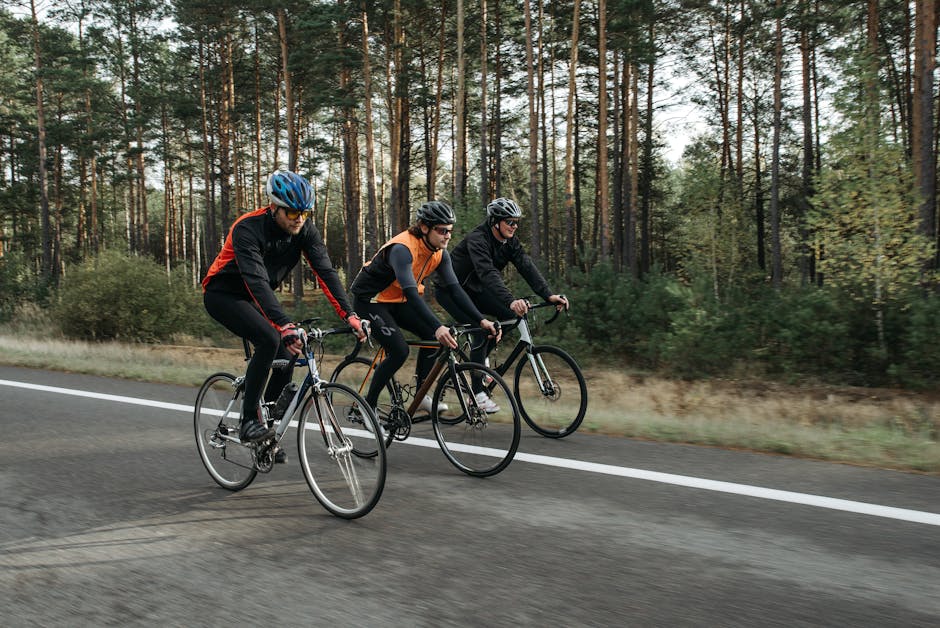
Weekend riders often face the biggest performance gaps. During the week, bikes may sit idle, collecting dust or moisture. Then, on Saturday morning, they’re expected to perform at full capacity—climbing hills, braking sharply, and handling corners with confidence. Without consistent care, small issues like a loose headset, worn brake pads, or dry chain can escalate into dangerous failures mid-ride.
Seasonal changes bring unique challenges. Winter salt and slush corrode components. Summer heat expands metal and dries out lubricants. Spring rain washes away grease, and autumn leaves clog drivetrains. Addressing these factors proactively—not just when something breaks—keeps your bike predictable and safe.
Spring: Preparing for Active Riding Season
After a quiet winter, spring is the ideal time for a full inspection. Your goal is to restore function, replace worn parts, and fine-tune handling before the riding season peaks.
Inspect and Clean the Drivetrain
Start by removing built-up grime from the chain, cassette, and chainrings. Use a degreaser and a stiff brush, then rinse thoroughly. A dirty drivetrain increases friction, reduces shifting precision, and accelerates wear.
- Check chain wear with a chain checker tool. Replace if stretched beyond 0.5%.
- Inspect cassette and chainrings for hooked or shark-tooth-shaped teeth—signs of wear.
- Lubricate the chain with a wet- or dry-ride lube depending on your typical spring conditions.
Check Brakes and Tires
Wet spring roads demand reliable stopping power. Examine brake pads for glazing, cracking, or uneven wear. Replace if thickness is below 1mm. Test brake lever feel—spongy levers may indicate air in hydraulic lines or worn cables.
Inspect tires for dry rot, cuts, or embedded debris. Inflate to the recommended PSI, which is usually printed on the tire sidewall. Consider switching to lighter, faster-rolling tires if you’re riding mostly dry roads.
Adjust Gears and Shifting
After months of disuse, derailleurs may need reindexing. Shift through all gears while pedaling. If the chain skips or hesitates, adjust the barrel adjuster or check cable tension. Ensure the derailleur hanger is straight—a bent hanger causes persistent shifting issues.
Tighten Bolts and Check Frame Integrity
Use a torque wrench to check critical bolts: stem, handlebars, seatpost, and crank arms. Over-tightening can damage carbon parts; under-tightening leads to creaks and slippage.
Look for cracks or dents in the frame, especially around joints and dropouts. A quick visual scan can catch problems before they become serious.
Summer: Managing Heat and Dust
Summer riding brings long distances, high temperatures, and dusty trails. Heat expands metal parts and evaporates lubricants, while dust acts as an abrasive in moving components.
Re-lubricate Frequently
Check and reapply chain lube every 100–150 miles, or after wet rides. Use a dry lube for dusty conditions to avoid attracting grit. Wipe excess lube to prevent buildup.
Monitor Tire Pressure
Hot pavement increases tire pressure. Check PSI before every long ride. Overinflated tires reduce grip and increase puncture risk. Underinflated tires wear faster and feel sluggish.
Inspect Bearings and Headset
Heat and moisture can degrade bearing grease. Spin wheels and crank arms to check for roughness or play. Adjust or repack if needed. A wobbly front end reduces control, especially on descents.
Protect Electronics and Accessories
If your bike has electronic shifting or a GPS unit, ensure connectors are clean and sealed. Heat can drain batteries faster—charge devices regularly.
Autumn: Preparing for Wet and Variable Conditions
Autumn introduces rain, fallen leaves, and falling temperatures. These conditions increase corrosion risk and reduce traction.
Upgrade to All-Weather Components
Switch to wet-weather brake pads if you’re riding in frequent rain. These provide better modulation in damp conditions. Consider fenders to keep spray off your drivetrain and body.
Clean and Dry After Every Ride
Rinse off mud and leaf residue promptly. Dry the chain and drivetrain to prevent rust. Apply a light coat of wet lube after cleaning.
Check Lighting and Visibility
Days get shorter. Test front and rear lights. Replace batteries or recharge. Add reflective tape or wear bright clothing to stay visible.
Inspect Frame for Moisture Traps
Check inside frame tubes, bottom bracket, and seatpost for trapped water. Tip the bike upside down or use compressed air to clear drains. Standing water leads to internal rust.
Winter: Surviving Cold, Salt, and Slush
Winter is the toughest season for bike longevity. Road salt, ice, and freezing temperatures attack metal and degrade lubricants.
Use a Dedicated Winter Bike (If Possible)
If you ride year-round, consider a second bike with fenders, wider tires, and corrosion-resistant parts. This preserves your primary ride.
Apply Protective Coatings
Use a frame protectant spray or wax to shield paint and metal. Apply a thick, wet lube to the chain—it resists washing off in slush.
Wash Weekly
Rinse your bike weekly with lukewarm water to remove salt. Avoid high-pressure washers near bearings. Dry thoroughly, especially the drivetrain and brakes.
Check for Freezing Components
Cables and derailleurs can freeze in sub-zero temps. If shifting feels stiff, warm the bike indoors before riding. Avoid riding in extreme cold if possible.
Essential Tools for Seasonal Maintenance
You don’t need a full workshop, but a few key tools make seasonal upkeep manageable:
- Chain checker
- Degreaser and brushes
- Lubricants (wet and dry)
- Torque wrench
- Tire levers and pump with gauge
- Cable cutters (for mechanical systems)
- Allen key set
Invest in quality tools—they last longer and prevent damage from slipping or stripping bolts.
When to Seek Professional Help
Some tasks are best left to mechanics. If you notice persistent brake noise, gear skipping despite adjustments, or frame damage, visit a shop. Similarly, hydraulic brake bleeding, wheel truing, and bottom bracket overhauls require specialized tools and expertise.
Even experienced riders benefit from an annual professional tune-up. It’s a small cost compared to replacing a damaged frame or recovering from an accident.
Final Tips for Consistent Control and Performance
Consistency is key. Set calendar reminders for seasonal checks. Keep a maintenance log to track when parts were last serviced or replaced. This helps predict wear and avoid surprises.
Listen to your bike. Unusual noises, vibrations, or handling changes are early warnings. Address them before your next weekend ride.
Remember: maintenance isn’t just about longevity—it’s about control. A well-tuned bike responds instantly to your input, whether you’re leaning into a corner or braking for a stop sign. That responsiveness is what makes weekend rides feel effortless and safe.
FAQ
How often should I clean my bike chain?
Clean and re-lube your chain every 100–150 miles, or after every ride in wet or muddy conditions. A dirty chain wears faster and reduces shifting performance.
Can I use WD-40 as a bike chain lubricant?
No. WD-40 is a solvent and water displacer, not a lubricant. It can clean the chain but will dry it out quickly. Use a dedicated bike chain lube instead.
Is it worth maintaining a bike I only ride on weekends?
Yes. Weekend-only bikes often suffer from long periods of inactivity, which can lead to seized parts, dried grease, and corrosion. Seasonal maintenance ensures they’re ready when you are.
