
Road Cycling Guide to Tires, Wheels, and Pressure for Better Control on City Streets Leave a comment
Road Cycling Guide to Tires, Wheels, and Pressure for Better Control on City Streets
Choosing the right tires, wheels, and tire pressure is essential for safe and efficient road cycling in urban environments. A well-optimized setup improves grip, reduces the risk of punctures, and enhances handling on unpredictable city surfaces—like potholes, manhole covers, and wet pavement. This road cycling guide to tires, wheels, and pressure focuses on maximizing control and security for daily commuters and recreational riders navigating busy streets. Whether you’re dodging traffic or braking suddenly at a red light, your equipment choices directly affect your safety and confidence.
Why Tire Choice Matters for City Riding
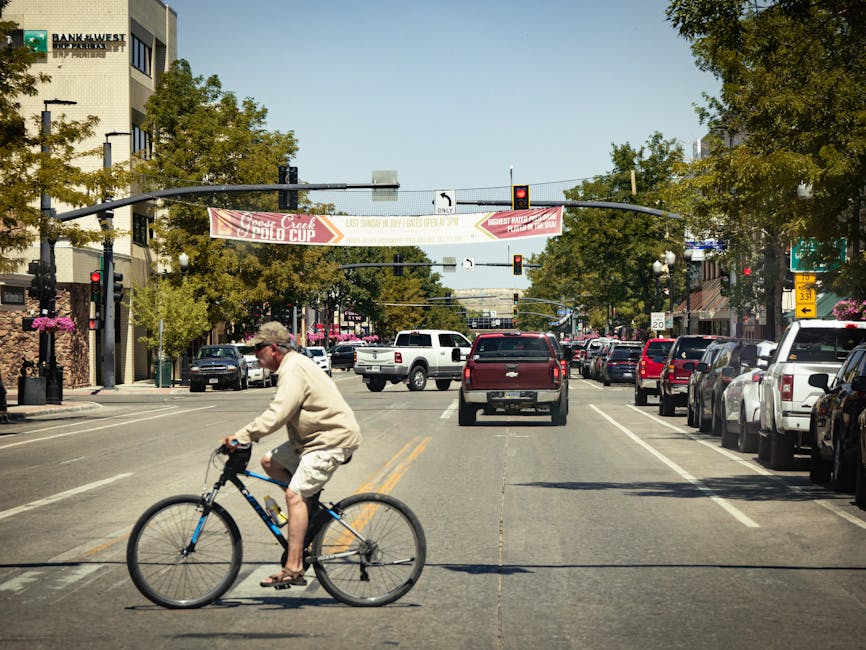
City streets present unique challenges: debris, uneven pavement, frequent stops, and variable weather. Unlike smooth race tracks or country roads, urban surfaces demand tires that balance speed, durability, and puncture resistance. The wrong tire can lead to flats, loss of traction, or poor cornering—especially when wet.
For most city riders, a tire width between 25mm and 32mm offers the best compromise. Narrower tires (like 23mm) may feel faster on smooth pavement but transmit more road vibration and offer less grip. Wider tires (28–32mm) absorb bumps better, improve comfort, and provide more contact with the road, which translates to better control during sudden maneuvers.
Consider tread patterns carefully. Slick or lightly treaded tires reduce rolling resistance and are ideal for dry conditions. However, in rainy climates or areas with frequent puddles, a tire with subtle grooves—like the Continental Grand Prix Urban or Schwalbe Marathon Plus—can channel water away and reduce hydroplaning risk.
Key Tire Features for Urban Security
- Puncture protection: Look for reinforced casings or layers like Kevlar belts. Tires such as the Schwalbe Marathon series include multiple protective layers to resist glass, thorns, and sharp debris common in cities.
- Durability: High-mileage city riding wears tires faster. Opt for models with higher TPI (threads per inch) counts when possible—though balance this with cost and weight.
- Reflective sidewalls: Some urban tires feature reflective strips, improving visibility at night without needing additional lights.
Wheels: Stability and Strength for City Conditions
Wheels support your tires and influence handling, weight, and responsiveness. For city cycling, prioritize strength over aerodynamics. Deep-section carbon wheels may look fast, but they’re less practical for daily commuting due to weight, cost, and vulnerability to pothole damage.
Aluminum wheels with double-wall construction offer a better balance of durability and performance. A wheelset with 28 to 32 spokes provides added strength, especially if you carry a backpack or ride over rough pavement. Fewer spokes (like 20 or 24) save weight but may not withstand repeated impacts from urban hazards.
Rim width also affects tire performance. Wider rims (19–23mm internal width) allow tires to expand slightly, improving grip and comfort. This is especially beneficial when running lower pressures for better shock absorption.
When replacing wheels, ensure compatibility with your bike’s frame, brakes, and drivetrain. Disc brake wheels require specific hubs and rotors, while rim brake wheels must match your caliper reach.
Disc vs. Rim Brakes: A Practical Comparison
| Feature | Disc Brakes | Rim Brakes |
|---|---|---|
| Wet weather performance | Excellent—consistent stopping power | Reduced effectiveness when rims are wet |
| Maintenance | More complex; requires rotor alignment | Simpler; pad replacement is straightforward |
| Weight | Slightly heavier due to rotor and hub | Lighter overall |
| Compatibility with fenders | May require specific frame clearance | Generally easier to fit with fenders |
For city riders, disc brakes are increasingly preferred due to their reliability in rain and mud. However, rim brakes remain a viable option for lightweight bikes and riders on a budget.
Tire Pressure: The Overlooked Factor in Control and Safety
Many cyclists inflate tires to the maximum PSI listed on the sidewall, believing higher pressure equals faster riding. In reality, optimal pressure depends on rider weight, tire width, and road conditions. Overinflated tires bounce over rough surfaces, reducing grip and increasing the chance of losing control. Underinflated tires risk pinch flats and slow down significantly.
For city streets, slightly lower pressures improve comfort and traction. A good starting point is 10–15 PSI below the maximum for your tire size. Use this general guideline based on rider weight and tire width:
| Rider Weight | 25mm Tire | 28mm Tire | 32mm Tire |
|---|---|---|---|
| 60–70 kg (132–154 lbs) | 80–90 PSI | 70–80 PSI | 60–70 PSI |
| 70–80 kg (154–176 lbs) | 90–100 PSI | 80–90 PSI | 70–80 PSI |
| 80–90 kg (176–198 lbs) | 100–110 PSI | 90–100 PSI | 80–90 PSI |
These are starting points—adjust based on feel. If your bike feels harsh or you skid in corners, reduce pressure slightly. If you experience pinch flats (snake bites), increase it by 5 PSI increments.
Check pressure weekly. Tires lose air over time, even without punctures. Use a reliable floor pump with a gauge—hand pumps often lack accuracy. For commuters, consider a portable mini pump or CO₂ inflator for on-the-go adjustments.
How to Test Your Pressure at Home
- Inflate your tires to the recommended range.
- Ride over a mix of surfaces: smooth pavement, potholes, and wet patches.
- Pay attention to comfort, grip during turns, and braking response.
- If the ride feels too bouncy, increase pressure by 5 PSI. If it feels sluggish or you bottom out on bumps, decrease by 5 PSI.
- Repeat until you find the sweet spot for your weight and riding style.
Common Mistakes That Compromise Urban Safety
Even experienced riders make errors that reduce control and increase risk. Avoid these common pitfalls:
- Ignoring tire wear: Tires with worn tread or cracks lose grip, especially in wet conditions. Replace tires when the center tread is smooth or sidewalls show damage.
- Mixing tire types: Using different brands or models front and rear can affect handling. Always match tires for consistent performance.
- Overloading the bike: Carrying heavy bags without adjusting tire pressure can lead to pinch flats or reduced maneuverability.
- Neglecting wheel trueness: A wobbling wheel affects braking and steering. Have wheels checked annually or after a major impact.
Upgrading Your Setup: What to Prioritize
If you’re looking to improve your city bike’s performance, start with tires. They have the most immediate impact on comfort, grip, and puncture resistance. A high-quality pair of urban tires can transform a rough, nerve-wracking ride into a smooth, confident commute.
Next, consider wheels if yours are old, damaged, or poorly suited to your riding style. Look for durable, wide-rim aluminum wheels with reliable hubs. Avoid ultra-lightweight racing wheels unless you primarily ride on smooth paths.
Finally, invest in a good pump and make pressure checks part of your weekly routine. Small adjustments make a big difference in control and safety.
Final Tips for Safer City Cycling
- Always carry a spare tube, tire levers, and a pump or CO₂ cartridge.
- Use fenders in wet weather to keep water and debris off your tires and brakes.
- Install lights and reflective gear—visibility is as important as mechanical setup.
- Ride defensively: anticipate hazards, signal turns, and maintain a steady line.
FAQ
Q: Can I use mountain bike tires on a road bike for city riding?
A: Not recommended. Mountain bike tires are too wide and knobby for most road frames and increase rolling resistance. Instead, choose road-specific tires in 28–32mm widths for better speed and compatibility.
Q: How often should I replace my bike tires?
A: Inspect tires monthly. Replace them when tread is worn smooth, sidewalls are cracked, or you experience frequent flats. Most city riders need new tires every 1,500 to 3,000 kilometers, depending on usage and conditions.
Q: Is it safe to ride with slightly underinflated tires in the city?
A: Slightly lower pressure can improve grip and comfort, but going too low increases the risk of pinch flats and rim damage. Stay within 10–15 PSI of the recommended range and avoid bottoming out on bumps.
Conclusion
A well-tuned road cycling setup—focused on tires, wheels, and pressure—can dramatically improve your control and security on city streets. By selecting durable, appropriately sized tires, strong wheels suited to urban conditions, and maintaining optimal pressure, you’ll ride more confidently through traffic, potholes, and weather changes. This road cycling guide to tires, wheels, and pressure emphasizes practical choices that prioritize safety without sacrificing performance. Remember: the best upgrade isn’t always the most expensive—it’s the one that matches your daily reality.
Related keywords: Road cycling guide to tires, wheels, and pressure for better control with a focus on security for city streets.
