

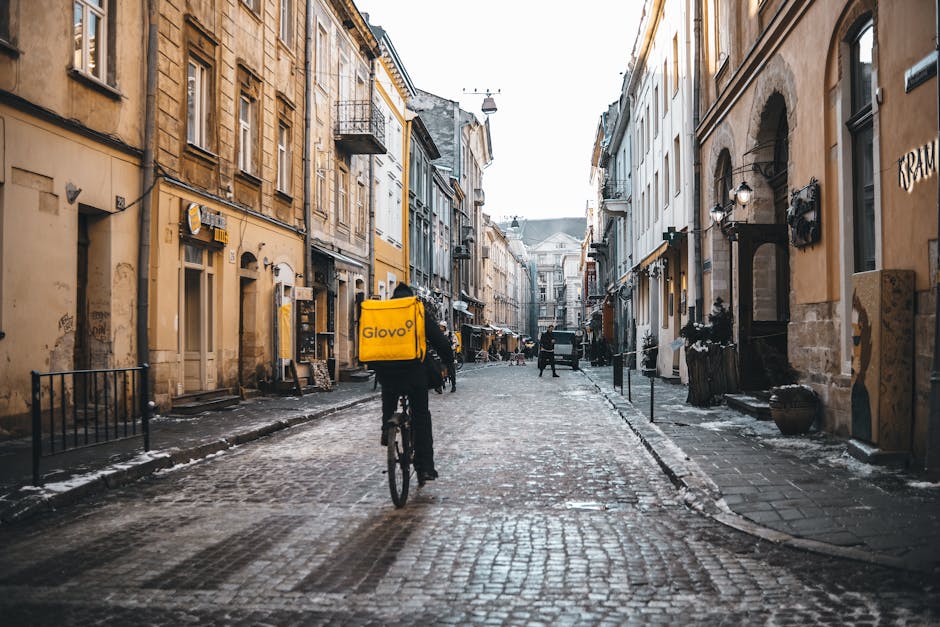
Bicycle Maintenance Basics That Save Money and Improve Ride Quality for City Streets Leave a comment
Bicycle Maintenance Basics That Save Money and Improve Ride Quality for City Streets
Keeping your bicycle in good working order doesn’t require a mechanic’s expertise—just regular attention to a few key areas. Bicycle maintenance basics that save money and improve ride quality are especially important for city riders who face stop-and-go traffic, potholes, wet conditions, and frequent short trips. A well-maintained bike rides smoother, lasts longer, and avoids costly repairs down the road. This guide covers essential checks, adjustments, and routines tailored to urban cycling, helping you stay safe, efficient, and in control on busy streets.
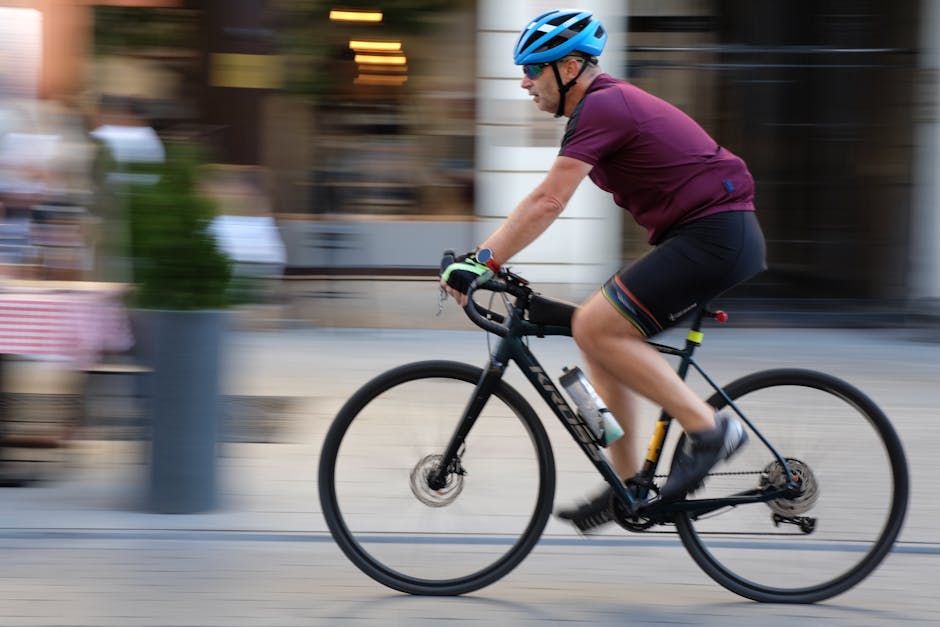
Why City Riding Demands Consistent Maintenance
Urban environments put unique stress on bicycles. Frequent braking wears down pads and rims. Debris from roads clogs drivetrains. Rain and grime accelerate corrosion. Unlike recreational riders who may go weeks between rides, city cyclists often use their bikes daily—sometimes in harsh weather. Neglecting upkeep leads to sluggish performance, increased wear, and safety risks like brake failure or flat tires at inopportune moments.
Simple, routine care can prevent 80% of common bike issues. For example, a chain cleaned and lubed monthly can last three times longer than a neglected one. Similarly, properly inflated tires reduce rolling resistance, making pedaling easier and improving fuel efficiency—yes, even on a human-powered vehicle.
Essential Checks Before Every Ride
Spending two minutes before each ride can prevent breakdowns and accidents. These quick checks should become second nature:
- Tire pressure: Use a gauge to check PSI. Underinflated tires increase puncture risk and make pedaling harder. Overinflated tires offer less grip and absorb fewer shocks. Most city bikes run between 60–80 PSI—check the sidewall for exact recommendations.
- Brake function: Squeeze both levers. They should engage firmly without hitting the handlebar. If they feel spongy or require excessive pull, pads may be worn or cables loose.
- Quick releases and bolts: Ensure wheels are securely fastened. A loose front wheel can cause catastrophic failure. Check seat post and stem bolts monthly.
- Chain condition: A dry, gritty chain increases wear on gears and chainrings. If it squeaks or feels rough, it’s time for cleaning and lubrication.
Weekly and Monthly Maintenance Tasks
Cleaning the Drivetrain
The chain, cassette, and chainrings collect dirt quickly in city conditions. Grime acts like sandpaper, wearing components prematurely. Clean the drivetrain every 2–4 weeks, depending on weather and usage.
- Shift into the smallest chainring and smallest rear cog to reduce tension.
- Use a dedicated chain cleaner tool or a brush with biodegradable degreaser.
- Scrub the chain thoroughly, then clean the cassette and chainrings with a stiff brush.
- Rinse with low-pressure water—avoid high-pressure hoses that can force water into bearings.
- Dry completely with a rag before applying lubricant.
Warning: Never use WD-40 as a chain lube. It attracts dirt and degrades over time. Use a wet lube in rainy climates and dry lube in dry, dusty areas.
Lubricating the Chain
Apply lube to the inside of the chain while slowly back-pedaling. Use only one drop per roller. After application, wipe off excess with a clean cloth. Excess lube attracts dirt, creating a grinding paste that accelerates wear.
For city bikes, a light synthetic lube works best. Reapply after heavy rain or every 100–150 miles.
Inspecting Brake Pads and Rims
Brake pads wear down over time. Check thickness monthly—replace if less than 1mm remains. Also inspect for embedded grit or uneven wear, which can damage rims.
Rim brakes require clean rims. Wipe braking surfaces with isopropyl alcohol weekly. Disc brakes need less frequent cleaning but should be checked for contamination (oil or grease on rotors), which severely reduces stopping power.
Checking Tire Condition
Look for cuts, bulges, or embedded glass and metal shards. Run your fingers along the tread and sidewalls. Replace tires when tread is worn smooth or casing threads become visible. City riders benefit from puncture-resistant tires with reinforced casings—brands like Schwalbe Marathon or Continental Contact Urban are popular choices.
Quarterly Deep-Clean and Adjustment
Every three months, or after a particularly wet or dirty season, perform a more thorough service:
- True the wheels: Minor wobbles can be fixed with a spoke wrench. Severe bends may require professional help.
- Adjust derailleurs: Ensure smooth shifting across all gears. Misaligned derailleurs cause chain rub or missed shifts.
- Check headset and bottom bracket: Lift the front wheel and turn the handlebars. Any knocking or play indicates loose bearings. Similarly, rock the crank side-to-side—excessive movement means the bottom bracket needs attention.
- Lubricate cables: Apply light oil to brake and shift cable housings to maintain smooth operation.
Setting Up Your Bike for City Streets
Proper setup enhances comfort, control, and efficiency—critical for navigating traffic, curbs, and pedestrians.
Saddle Height and Position
Set saddle height so your leg is nearly straight at the bottom of the pedal stroke, with a slight bend in the knee. Too high causes rocking; too low increases knee strain. Fore-aft position should align your kneecap over the pedal spindle when the crank is horizontal.
City riders often prefer a slightly lower saddle for easier dismounts at lights—adjust within safe limits.
Handlebar Height and Reach
A higher handlebar position reduces back and neck strain during frequent stops. Most city bikes come with flat or riser bars for upright posture. If your reach feels too long, consider a shorter stem.
Avoid extreme drops or aggressive positions—they’re impractical for traffic and reduce visibility.
Tire Selection and Pressure
Wider tires (28–32mm) offer better cushioning and grip on rough pavement. They also run at lower pressures, improving comfort without sacrificing speed. For mixed surfaces, consider semi-slick tires with minimal tread—they roll fast on pavement but handle light gravel.
Use a floor pump with a pressure gauge. Hand pumps often lack accuracy, leading to underinflation.
Lighting and Visibility
Legal and safety requirements vary, but always use a white front light and red rear light, even during the day. Flashing modes increase visibility in traffic. Reflective tape on wheels and pedals adds passive safety.
Mount lights securely—vibrations from potholes can loosen clips. Recharge or replace batteries weekly.
Common Mistakes That Cost Money
Many riders unknowingly shorten their bike’s lifespan through small oversights:
- Ignoring squeaks and clicks: These are early warnings. A creaking bottom bracket or loose headset can lead to expensive replacements if ignored.
- Over-tightening bolts: Aluminum parts strip easily. Use a torque wrench for critical components like stem and seat post.
- Using household cleaners: Dish soap and window cleaner can degrade rubber and plastic. Use bike-specific cleaners or mild soap.
- Storing bikes outdoors: Rain and humidity corrode internal parts. Store indoors or use a breathable cover if outside.
Tools Every City Cyclist Should Own
You don’t need a full workshop, but these essentials make maintenance manageable:
| Tool | Purpose |
|---|---|
| Floor pump with gauge | Accurate tire inflation |
| Multi-tool with hex keys | On-the-go adjustments |
| Chain checker | Measures chain wear |
| Tire levers | Removing tires for flats |
| Degreaser and brush | Cleaning drivetrain |
| Bike-specific lubricant | Chain and pivot lubrication |
Investing $50–$100 in tools pays for itself within a year by avoiding shop visits for minor fixes.
When to Visit a Professional
Some tasks are best left to experts. Seek professional help for:
- Wheel truing beyond minor adjustments
- Hydraulic brake bleeding
- Bottom bracket or headset replacement
- Frame cracks or significant damage
Even if you do most maintenance yourself, an annual tune-up ensures everything is aligned and safe.
Final Tips for Long-Term Savings
Consistency beats intensity. A few minutes of care each week prevents major failures. Keep a simple log—note when you cleaned the chain, replaced tires, or adjusted brakes. This helps track wear patterns and plan replacements before they fail.
Also, learn to fix a flat. It’s the most common roadside repair. Practice at home so you’re confident on the street.
By mastering bicycle maintenance basics that save money and improve ride quality, you’ll enjoy smoother commutes, fewer surprises, and a bike that serves you reliably for years.
FAQ
How often should I clean my bike chain if I ride daily in the city?
Clean and lube your chain every 2–3 weeks, or after riding in rain or heavy traffic. Dirt and moisture accelerate wear, so regular cleaning extends component life.
Can I use car tire pressure for my bike tires?
No. Bike tires require much lower pressure—typically 60–80 PSI for city bikes. Car tires run over 30 PSI higher and use different measurement systems. Always check the tire sidewall for correct PSI.
Is it worth upgrading to puncture-resistant tires for city riding?
Yes. Puncture-resistant tires reduce flat frequency significantly, especially on debris-filled urban roads. The slight weight increase is outweighed by reliability and reduced repair time.
Related keywords: Bicycle maintenance basics that save money and improve ride quality with a focus on setup for city streets.
