
Road Cycling Guide for Understanding Fit, Gearing, and Frame Options with a Focus on Traction for City Streets Leave a comment
Road Cycling Guide for Understanding Fit, Gearing, and Frame Options with a Focus on Traction for City Streets
Choosing the right road bike for city streets means more than just picking a lightweight frame or flashy components. A practical road cycling guide for understanding fit, gearing, and frame options with a focus on traction for city streets starts with recognizing how urban terrain—stop signs, potholes, wet pavement, and frequent starts and stops—demands specific design considerations. Unlike open-road riding, city cycling prioritizes control, comfort, and consistent grip. This guide breaks down the essentials: how to get the right fit, select appropriate gearing, choose a durable frame, and maximize traction so you can ride confidently through traffic, around obstacles, and in variable weather.
Why Traction Matters Most on City Streets
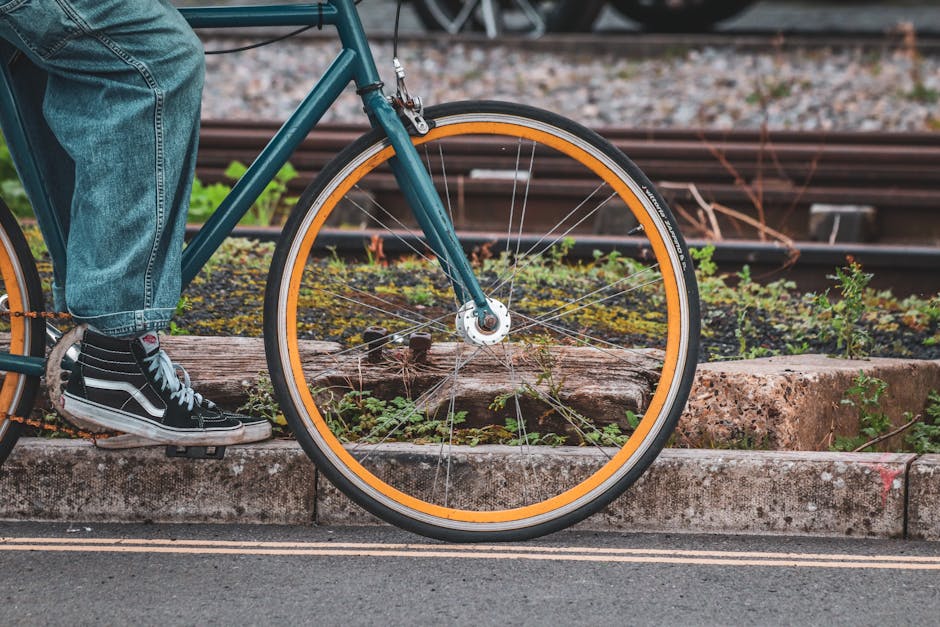
In urban environments, traction isn’t just about grip—it’s about safety and control. City roads are rarely pristine. You’ll encounter oil slicks, manhole covers, gravel, wet leaves, and uneven pavement. Unlike smooth country roads, these surfaces reduce tire contact and increase the risk of slipping, especially during hard braking or quick turns.
Road bikes designed for speed often use narrow, high-pressure tires that sacrifice traction for reduced rolling resistance. But on city streets, that trade-off can be dangerous. Wider tires—typically 28mm to 32mm—offer better contact with the road, absorb small bumps, and maintain grip in wet conditions. For example, a 25mm tire at 100 psi may feel fast on clean asphalt, but the same tire becomes slippery on a damp manhole cover. A 30mm tire at 70 psi spreads the load, improving stability and reducing the chance of skidding.
Additionally, tire tread and compound matter. Smooth, slick tires are efficient but offer little feedback on loose surfaces. Light file tread or micro-siping on the shoulders can enhance cornering grip without adding significant rolling resistance. Tires with puncture-resistant belts and reflective sidewalls also improve safety during night rides.
Getting the Right Fit for Comfort and Control
A proper bike fit is essential for efficient power transfer and long-term comfort, but in the city, it also affects handling and reaction time. A poorly fitted bike can make steering sluggish or overly sensitive, increasing the risk of accidents in traffic.
Key Fit Considerations for Urban Riders
- Reach and Stack: Shorter reach and higher stack (the vertical distance from bottom bracket to headset) create a more upright position. This improves visibility in traffic and reduces strain on your neck and shoulders during frequent stops.
- Saddle Height: Too high, and you’ll rock side to side; too low, and you risk knee injury. Aim for a slight bend in the knee at the bottom of the pedal stroke. Use a plumb line or heel method to check alignment.
- Handlebar Width: Wider bars (42–44cm) offer better leverage for quick maneuvers, but may be cumbersome in narrow bike lanes. Narrower bars (38–40cm) improve aerodynamics but reduce control. Choose based on shoulder width and riding style.
- Standover Height: Ensure at least 1–2 inches of clearance between your inseam and the top tube. This allows you to stop safely with both feet flat on the ground—critical in stop-and-go traffic.
Many bike shops offer professional fitting services, but you can start with basic adjustments at home. Use a level surface and a friend to help check alignment. Remember: small changes in fit can dramatically improve comfort and control, especially on longer commutes.
Choosing the Right Gearing for Stop-and-Go City Riding
City cycling isn’t about maintaining high speeds—it’s about accelerating quickly from stops and climbing short, steep hills. Traditional road bikes often come with compact or standard cranksets (50/34 or 53/39) paired with 11–28 or 11–32 cassettes. While these work for long-distance rides, they may not provide the low gears needed for urban terrain.
Ideal Gearing for City Streets
| Component | Recommended Range | Benefit |
|---|---|---|
| Crankset | Compact (50/34) or sub-compact (46/30) | Lower gear ratios for easier starts |
| Cassette | 11–32 or 11–34 teeth | Wider range for climbing and accelerating |
| Derailleur | Medium or long cage | Accommodates larger cassettes |
For example, a 34-tooth chainring paired with a 32-tooth cog gives a gear ratio of about 1.06—ideal for starting from a red light with a full backpack. Compare that to a standard 53/11 setup (ratio of 4.8), which is overkill for city use and makes hill starts exhausting.
If you’re building or upgrading a bike, consider a 1x (single chainring) drivetrain. While less common on road bikes, 1x systems simplify shifting and reduce maintenance. Pair a 40-tooth chainring with a 10–42 cassette for a wide, usable range. Just note: 1x systems sacrifice some top-end speed and fine-tuning in gear selection.
Frame Options: Material, Geometry, and Tire Clearance
The frame is the foundation of your bike’s performance. For city riding, durability, comfort, and tire clearance are more important than pure weight savings.
Frame Materials Compared
- Aluminum: Affordable, stiff, and lightweight. Great for entry-level city bikes. Modern alloys absorb vibrations better than older models, but can feel harsh on rough roads without proper tires or seatpost.
- Steel: Offers a smooth, compliant ride due to natural flex. Ideal for long commutes. Heavier than aluminum, but extremely durable and repairable. Chromoly steel is a popular choice for urban touring bikes.
- Carbon Fiber: Light and stiff, with excellent vibration damping. High-end road bikes use carbon, but many models lack tire clearance for wider, traction-focused tires. Look for “endurance” or “gravel-inspired” carbon frames with clearance for 32mm+ tires.
- Titanium: Combines the lightness of carbon with the durability of steel. Resists corrosion and offers a comfortable ride. Expensive, but long-lasting. Rare in mass-market city bikes.
Geometry also plays a role. Endurance or sportive geometry features a shorter top tube and taller head tube, promoting a relaxed posture. This improves control in traffic and reduces fatigue. Race-oriented frames, with aggressive angles and low handlebars, are less suitable for city use.
Most importantly, check tire clearance. A frame that only fits 23mm tires limits your traction options. Look for frames that accommodate at least 28mm, preferably 32mm or more. Some modern road frames now support 35mm tires, blurring the line between road and gravel bikes—ideal for mixed city conditions.
Maximizing Traction: Tires, Pressure, and Accessories
Traction starts with your tires, but it doesn’t end there. Even the best frame and fit won’t help if your tires lose grip on wet or uneven surfaces.
Tire Selection Tips
- Width: 28–32mm is the sweet spot for city riding. Wider tires run at lower pressures, increasing the contact patch and improving grip.
- Pressure: Use a tire pressure calculator based on your weight and tire width. As a rule, drop 10–15 psi from the maximum listed on the sidewall. For example, a 32mm tire rated for 85 psi should run closer to 65–70 psi for better traction.
- Tread: Light tread patterns or dual-compound rubber improve wet-weather performance. Avoid completely slick tires if you ride in rain.
- Puncture Protection: Look for tires with reinforced casings (e.g., Schwalbe’s puncture protection layer or Continental’s PolyX). City streets are littered with glass and debris.
Accessories also contribute to traction and safety. Fenders prevent water and mud from spraying onto your tires and drivetrain, maintaining grip in wet conditions. Lights increase visibility, reducing the chance of sudden maneuvers. A rear rack and panniers keep weight low and centered, improving balance compared to a backpack.
Consider clipless pedals for better power transfer, but ensure your shoes have grippy soles for walking on sidewalks. Alternatively, flat pedals with good traction pads offer quick foot placement—useful in heavy traffic.
Common Mistakes to Avoid
- Ignoring tire pressure: Riding underinflated increases rolling resistance and pinch flats. Overinflated tires lose grip and feel harsh.
- Choosing a race bike for commuting: Aggressive geometry and narrow tires compromise comfort and control in the city.
- Neglecting maintenance: Worn brake pads, dirty chains, and loose bolts reduce performance and safety. Clean and lubricate your drivetrain monthly.
- Overloading the bike: Adding heavy bags or accessories can shift the center of gravity, affecting handling. Distribute weight evenly and use secure mounting points.
Putting It All Together: A Sample City Road Bike Build
Imagine a daily 10-mile commute through mixed terrain: bike lanes, potholed side streets, and a few short hills. Here’s a practical setup based on the principles above:
- Frame: Aluminum endurance road frame with clearance for 32mm tires
- Fork: Carbon fiber for vibration damping
- Tires: 30mm puncture-resistant tires with light tread (e.g., Continental Grand Prix 5000 or Vittoria Rubino Pro)
- Gearing: Compact crankset (50/34) with 11–32 cassette and long-cage derailleur
- Brakes: Dual-pivot calipers or mechanical disc brakes for reliable stopping in wet conditions
- Extras: Fenders, rear rack, front and rear lights, and a bell
This setup balances speed, comfort, and safety—perfect for city streets.
Final Thoughts
A successful city road bike isn’t the lightest or fastest—it’s the one that keeps you safe, comfortable, and in control. By focusing on fit, gearing, frame compatibility, and traction, you can build or choose a bike that handles the unique demands of urban riding. Remember: the best road cycling guide for understanding fit, gearing, and frame options with a focus on traction for city streets emphasizes real-world usability over racing specs. Invest in wider tires, lower gears, and a comfortable position, and you’ll enjoy every ride—no matter the traffic.
FAQ
What tire width is best for city road cycling?
For city streets, 28mm to 32mm tires offer the best balance of speed, comfort, and traction. Wider tires improve grip on wet or uneven surfaces and reduce the risk of pinch flats.
Do I need disc brakes for city riding?
Disc brakes (mechanical or hydraulic) provide more consistent stopping power in wet conditions and reduce rim wear. While not essential, they’re highly recommended for frequent braking in traffic.
Can I use a racing road bike for commuting?
It’s possible, but not ideal. Racing bikes often have narrow tires, aggressive geometry, and limited clearance for fenders or racks. Consider an endurance or gravel-inspired road bike for better comfort and utility.
