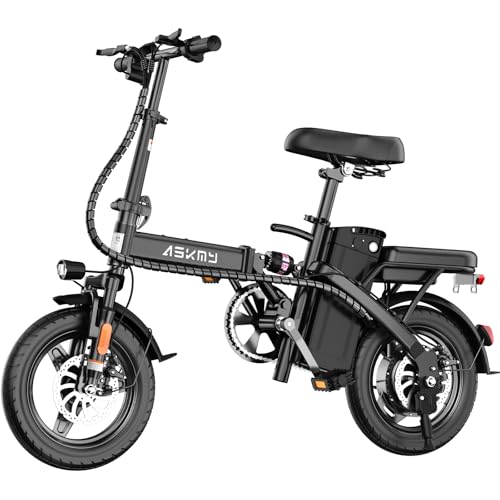


Electric Bicycle Advice That Helps Cyclists Ride Farther with Less Effort on City Streets Leave a comment
Electric Bicycle Advice That Helps Cyclists Ride Farther with Less Effort on City Streets
Electric bicycles offer a practical, eco-friendly way to navigate urban environments—especially when you need to cover more ground without arriving sweaty or exhausted. The right electric bicycle advice can help cyclists ride farther with less effort while staying safe on busy city streets. Whether you’re commuting to work, running errands, or exploring your neighborhood, understanding how to optimize your e-bike setup, riding technique, and safety habits makes a significant difference. This guide covers essential tips to maximize range, reduce physical strain, and ensure a secure ride through traffic, intersections, and crowded bike lanes.
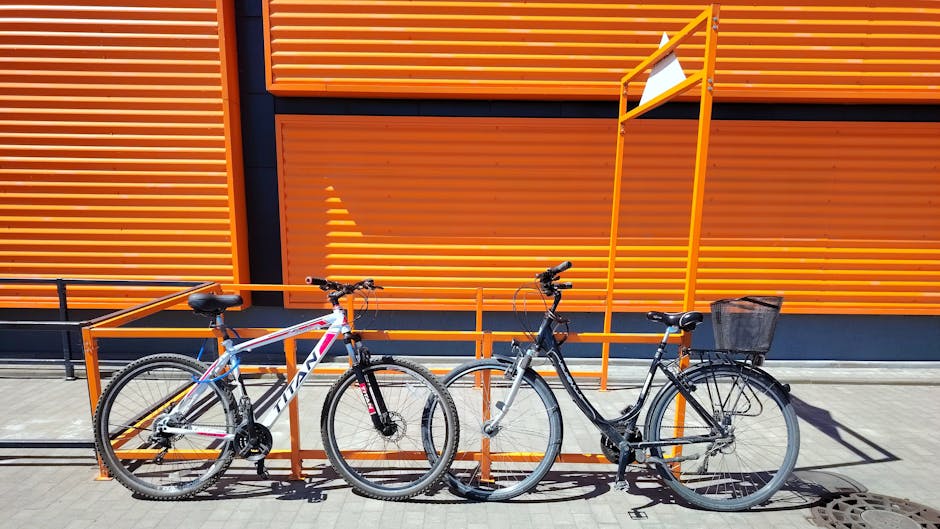
How Electric Bicycles Extend Your Range with Less Effort
E-bikes combine human power with electric assistance, allowing riders to travel longer distances without the fatigue of traditional cycling. Most modern e-bikes offer pedal-assist levels that let you control how much motor support you receive. Using lower assist modes on flat terrain and reserving higher modes for hills or headwinds helps conserve battery life and extend your range.
For example, a rider using a mid-drive e-bike with a 500Wh battery can expect 40–70 miles of range depending on terrain, rider weight, and assist level. Choosing an efficient gear ratio and maintaining a steady cadence—around 60–80 revolutions per minute—also reduces strain on both the motor and your legs. Keeping tires properly inflated to the recommended PSI (usually 40–65 for city e-bikes) minimizes rolling resistance, which directly impacts how far you can go on a single charge.
Choosing the Right E-Bike for City Riding
Not all e-bikes are designed for urban environments. When selecting a model for city use, prioritize features that enhance safety, comfort, and efficiency. Look for a step-through frame if you prefer easy mounting and dismounting, especially when stopping frequently at traffic lights. Integrated lights, fenders, and rear racks are practical additions that improve daily usability.
Consider motor placement: hub motors are common and affordable, while mid-drive motors offer better weight distribution and hill-climbing performance. For flat city routes, a rear hub motor with 250–500W output is usually sufficient. Always check local regulations—many cities limit e-bike motor power to 750W and require a maximum assisted speed of 20 mph.
Maximizing Battery Life for Longer Rides
Battery management is key to riding farther with less effort. Lithium-ion batteries perform best when kept between 20% and 80% charge for daily use. Avoid fully draining the battery regularly, as deep discharges can shorten its lifespan. If you’re planning a long trip, charge the battery to full the night before, but unplug it once charged to prevent overcharging.
Temperature also affects performance. Cold weather reduces battery efficiency—on a 40°F (4°C) day, expect up to 30% less range. Store your e-bike indoors when possible, and allow the battery to warm up before riding in winter. In summer, avoid leaving the battery in direct sunlight, which can cause overheating.
Smart Riding Techniques to Conserve Energy
Small adjustments in riding style can significantly extend your range. Start pedaling before engaging the motor to reduce initial load. Use the lowest assist level that still feels comfortable—this keeps the motor from working too hard and drains the battery faster.
Anticipate stops and slow down gradually instead of braking hard. Regenerative braking is rare on e-bikes, so coasting when possible saves energy. Plan your route to avoid unnecessary hills or detours. Many navigation apps now offer bike-specific routing that prioritizes bike lanes and low-traffic streets, which can also reduce energy use by minimizing stop-and-go traffic.
Safety Essentials for City E-Bike Riders
City streets present unique challenges: car doors opening suddenly, pedestrians stepping into bike lanes, and vehicles making right turns across your path. Following core safety practices helps prevent accidents and keeps your ride smooth.
Always wear a helmet—even if not legally required, it’s a simple way to protect yourself. Use front and rear lights during the day and night; many collisions happen at intersections when drivers don’t see cyclists. Wear bright or reflective clothing, especially in low-light conditions.
Mastering Traffic Navigation
Ride predictably. Signal your turns with hand signals at least 100 feet before changing direction. Make eye contact with drivers when possible, especially at intersections. Avoid riding in drivers’ blind spots—stay visible beside or behind vehicles, never in the space directly next to a car’s side mirror.
Use bike lanes when available, but stay alert for debris, potholes, or parked cars. If a bike lane ends abruptly, merge into the traffic lane early and signal your intention. Never ride against traffic—this is illegal and increases collision risk.
Maintaining Your E-Bike for Reliable Performance
Regular maintenance ensures your e-bike operates efficiently and safely. Check tire pressure weekly—underinflated tires increase rolling resistance and reduce range. Inspect brake pads every month; worn pads reduce stopping power, which is critical in stop-and-go city traffic.
Keep the chain clean and lubricated. A dirty or dry chain forces the motor to work harder, draining the battery faster. Clean the drivetrain with a degreaser and apply bike-specific lubricant every 100–200 miles. Check bolts and fasteners periodically, especially after rough rides or pothole impacts.
Practical Tips for Commuting and Errands
E-bikes excel at short-to-medium distance travel. For commuting, calculate your round-trip distance and choose a bike with a battery that offers at least 20–30% more range than needed. This buffer accounts for weather, traffic, or unexpected detours.
Use panniers or a rear rack to carry bags instead of a backpack, which can cause back strain and reduce aerodynamics. If you’re carrying heavy loads, shift your weight slightly rearward to maintain balance, especially when braking.
Weather Considerations
Rain, wind, and temperature affect both safety and efficiency. In wet conditions, reduce speed and increase following distance—braking distances can double on slick pavement. Use fenders to keep water and mud off you and the bike’s components.
Strong headwinds can cut your range by up to 50%. If possible, adjust your route to take advantage of tailwinds or sheltered streets. In extreme heat or cold, take breaks and stay hydrated—your body still works harder than the motor.
Common Mistakes to Avoid
One frequent error is over-relying on the motor. While e-bikes reduce effort, pedaling still contributes to efficiency and battery life. Letting the motor do all the work drains the battery quickly and defeats the purpose of a pedal-assist system.
Another mistake is ignoring local laws. Some cities require e-bike registration, speed governors, or prohibit riding on sidewalks. Familiarize yourself with local regulations to avoid fines or confiscation.
Lastly, don’t skip pre-ride checks. A quick inspection of tires, brakes, lights, and battery level takes two minutes but can prevent breakdowns or accidents.
Final Thoughts on Riding Farther and Safer
Electric bicycle advice that helps cyclists ride farther with less effort centers on smart preparation, efficient riding habits, and consistent safety practices. By choosing the right bike, managing your battery wisely, and staying alert in traffic, you can enjoy the benefits of e-biking without compromising on range or safety. Whether you’re new to e-bikes or upgrading your current setup, these strategies will help you navigate city streets with confidence and ease.
FAQ
How far can I ride on a single charge?
Most city e-bikes offer 40–70 miles per charge, depending on battery size, assist level, terrain, and rider weight. Using lower assist modes and maintaining proper tire pressure can help you reach the higher end of that range.
Is it safe to ride an e-bike in traffic?
Yes, with proper precautions. Always wear a helmet, use lights, signal turns, and stay visible. Ride predictably, use bike lanes when available, and avoid blind spots. Defensive riding significantly reduces risk.
Do I still need to pedal on an e-bike?
Yes. E-bikes use pedal-assist systems that require you to pedal to activate the motor. Pedaling helps conserve battery life, improves efficiency, and keeps you engaged in the ride.
Related keywords: Electric bicycle advice that helps cyclists ride farther with less effort with a focus on safety for city streets.
