

Road Cycling Guide for Comparing Endurance and Race-Focused Bicycles with a Focus on Efficiency for City Streets Leave a comment
Road Cycling Guide for Comparing Endurance and Race-Focused Bicycles with a Focus on Efficiency for City Streets
Choosing the right road bike for city streets means understanding the key differences between endurance and race-focused models—especially when efficiency, comfort, and practicality matter most. Endurance bikes prioritize upright geometry and vibration damping for long, comfortable rides over rough pavement, while race bikes emphasize aerodynamics, stiffness, and aggressive positioning for speed. For urban commuters and fitness riders navigating stop-and-go traffic, potholes, and varied terrain, an endurance frame often delivers better overall efficiency by reducing fatigue and improving control. This road cycling guide breaks down frame design, component choices, real-world performance, and fit considerations to help you pick the best bike for city riding.
What Defines an Endurance Road Bike?
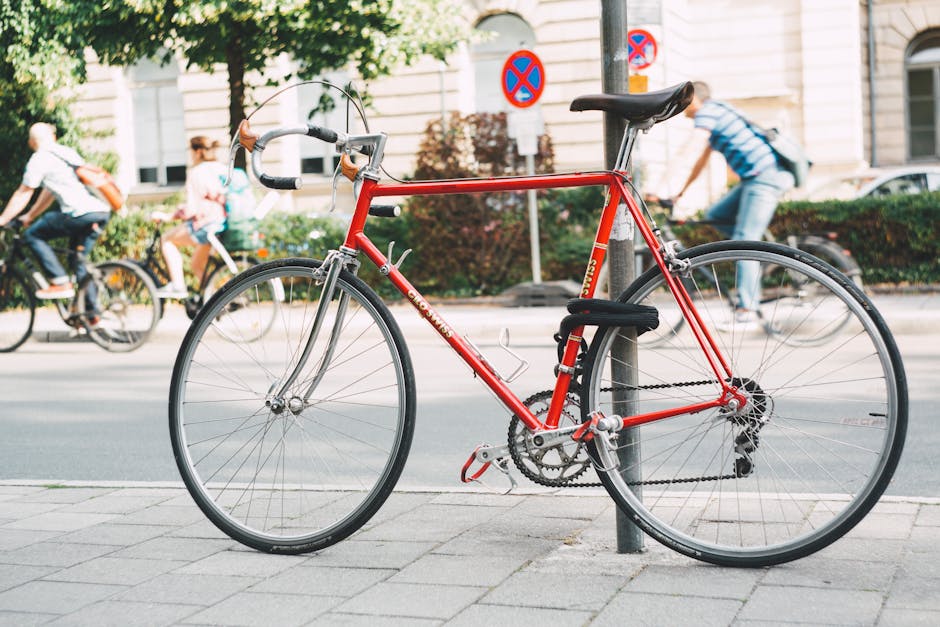
Endurance road bikes are engineered for comfort without sacrificing too much speed. They feature relaxed geometry—longer head tubes and shorter top tubes—that positions the rider more upright. This reduces strain on the back, neck, and shoulders, which is especially helpful during daily commutes or longer weekend rides through the city.
Key traits include:
- Taller head tube: Raises handlebar height for a less aggressive posture
- Slacker seat tube angle: Shifts rider weight slightly rearward for better shock absorption
- Wider tire clearance: Typically supports 28c to 32c tires, improving grip and comfort on uneven surfaces
- Compliance features: Carbon seatposts, flex zones in the frame, or specialized tubing shapes that absorb road vibrations
For example, the Trek Domane SL 6 uses IsoSpeed decouplers in the top tube and seatstays to isolate road chatter, making it a favorite among riders who log miles on city streets with patchy pavement. Similarly, the Specialized Roubaix features Future Shock suspension in the stem, offering 20mm of vertical travel to smooth out bumps without adding weight.
Race-Focused Bikes: Built for Speed, Not Comfort
Race bikes are designed with one goal: maximizing speed over smooth roads. They use aggressive geometry—lower front ends, steeper angles, and shorter wheelbases—to put the rider in an aerodynamic tuck. This position generates more power and cuts wind resistance, but it comes at the cost of comfort and handling in chaotic urban environments.
Typical characteristics include:
- Lower handlebar position: Increases aerodynamic efficiency but strains the lower back over time
- Stiffer frames: Transmit more power from pedaling but transmit more road shock too
- Narrower tire clearance: Often limited to 25c, reducing cushioning on rough surfaces
- Responsive handling: Quick steering that feels twitchy at low speeds or in traffic
The Cannondale SuperSix EVO, for instance, is a benchmark race bike with a razor-sharp front end and minimal compliance. While it excels on open roads or during group rides, its stiff ride quality can become punishing on cobblestone alleys or poorly maintained bike lanes.
Real-World Efficiency: Speed vs. Sustainability
Efficiency on city streets isn’t just about top speed—it’s about sustainable performance. A race bike might let you sprint faster between lights, but if you’re fatigued after 10 blocks, your average speed drops. Endurance bikes, by contrast, maintain steady output over longer distances because they reduce physical stress.
Consider this scenario: You ride 8 miles to work daily, encountering 15 traffic lights, two railroad crossings, and a stretch of broken pavement. On a race bike, you may arrive sweaty and sore. On an endurance bike, you’ll likely feel fresher, enabling consistent effort day after day. Over time, that consistency translates into greater overall efficiency.
Frame Materials and Their Impact on City Riding
The material your bike is made from affects ride quality, weight, and durability—all important factors for urban use.
Aluminum: Affordable and stiff, ideal for budget-conscious riders. Modern aluminum frames like those on the Giant Contend AR 3 include shaped tubing to improve comfort. However, they transmit more vibration than carbon, which can be tiring on long rides.
Carbon fiber: Lighter and more compliant, carbon absorbs high-frequency road noise better than metal. It’s common in both endurance and race bikes, but endurance models often use layup techniques that prioritize vertical flex. The Canyon Endurace CF 7, for example, uses a carbon frame tuned for comfort while keeping weight under 9kg.
Steel and titanium: Less common in new production bikes but valued for their smooth ride and longevity. Steel frames, like those from All-City or Surly, offer natural damping and are easy to repair—great for city riders who want a durable, low-maintenance option.
Component Choices That Matter in the City
Gearing, brakes, and wheels significantly influence how a bike performs in stop-and-go traffic.
Gearing: City riding demands versatility. A compact crankset (50/34 teeth) paired with an 11-32 cassette gives you low gears for hills and high gears for flat stretches. Avoid race-specific setups with tight gear spacing—they’re optimized for smooth, fast roads, not varied urban terrain.
Brakes: Disc brakes are now standard on most new road bikes and offer superior stopping power in wet conditions—a major advantage in cities where rain, grime, and sudden stops are common. Rim brakes still exist on entry-level models but struggle in wet weather and wear down rims faster.
Wheels and tires: Wider tires (28c–32c) at lower pressures (around 65–75 psi) provide better traction and comfort. Look for puncture-resistant models like Continental Grand Prix 5000 or Schwalbe Pro One, which balance speed and durability. Deep-section carbon wheels save weight but can be unstable in crosswinds—less ideal for narrow city streets.
Fit and Positioning: The Hidden Key to Efficiency
Even the best bike won’t feel efficient if it doesn’t fit. A proper fit reduces fatigue, prevents injury, and improves power transfer.
For city riders, prioritize these adjustments:
- Saddle height: Should allow a slight bend in the knee at the bottom of the pedal stroke
- Reach to handlebars: You should feel stretched but not strained—elbows slightly bent, shoulders relaxed
- Handlebar height: Raising the bars (via spacers or a higher stem) eases back pressure, especially on endurance bikes
Many bike shops offer free basic fits, but investing in a professional bike fit ($100–$200) pays off in comfort and performance, particularly if you ride daily.
Practical Modifications for Urban Efficiency
Small upgrades can dramatically improve your city riding experience:
- Fenders: Keep you dry and clean during wet commutes
- Racks and panniers: Carry bags, laptops, or groceries without shoulder strain
- Integrated lights: USB-rechargeable front and rear lights improve visibility
- Bell or horn: Essential for alerting pedestrians and other cyclists
- Lock compatibility: Ensure your frame has mounts for a U-lock or chain
Note: Race bikes often lack mounting points for fenders or racks due to aerodynamic design. If you plan to commute regularly, verify compatibility before buying.
When to Choose Endurance Over Race (and Vice Versa)
Your riding goals should dictate your choice:
Choose an endurance bike if you:
- Ride more than 10 miles round-trip daily
- Encounter rough roads, potholes, or gravel paths
- Value comfort and want to arrive at work feeling fresh
- Carry gear or ride in varied weather
Consider a race bike only if you:
- Primarily ride on smooth, well-maintained roads
- Participate in fast group rides or crit races
- Have strong core strength and flexibility to sustain an aggressive position
- Don’t mind frequent maintenance and reduced practicality
Most city riders will find endurance bikes offer better long-term value and usability.
Final Takeaways for City Cyclists
Efficiency on city streets isn’t measured in watts or watts per kilogram—it’s about how consistently you can ride without burnout. Endurance road bikes, with their comfortable geometry, vibration damping, and practical features, are generally better suited to urban environments than their race-focused counterparts. While race bikes deliver raw speed, they often compromise comfort and control, making them less efficient over real-world city routes.
Focus on fit, tire width, braking performance, and component versatility. Test ride multiple models, and don’t overlook used or previous-year bikes—they offer significant savings with minimal performance loss. Remember: the most efficient bike is the one you actually ride.
FAQ
Can I use a race bike for daily city commuting?
Technically yes, but it’s not ideal. Race bikes lack mounting points for racks and fenders, have harsh ride quality on rough roads, and force an uncomfortable position over long distances. Unless your commute is very short and on pristine pavement, an endurance bike will serve you better.
Do I need disc brakes for city riding?
Strongly recommended. Disc brakes provide consistent stopping power in rain, mud, and grime—common conditions in cities. Rim brakes lose effectiveness when wet and wear down aluminum rims over time.
Are wider tires slower on pavement?
Not necessarily. Modern 28c–32c tires with low rolling resistance (like the Continental GP 5000) are nearly as fast as 23c race tires, while offering far better comfort and puncture protection—making them more efficient for real-world city use.
