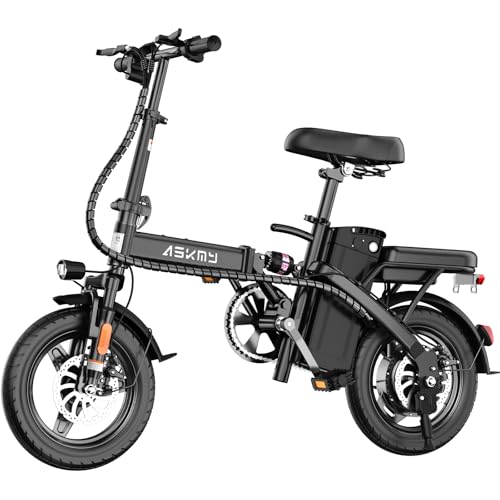


Electric Bicycle Advice Every First-Time Buyer Should Read Before Shopping for City Streets Leave a comment
Electric Bicycle Advice Every First-Time Buyer Should Read Before Shopping for City Streets
If you’re considering an electric bicycle for city commuting, knowing what to look for can save you money, frustration, and wasted trips to the shop. This guide delivers essential electric bicycle advice every first-time buyer should read before shopping, with a focus on value, practicality, and real-world performance on urban roads. From motor types and battery life to frame fit and local regulations, we break down the key factors that determine whether an e-bike will serve you well in stop-and-go traffic, short errands, or daily commutes.
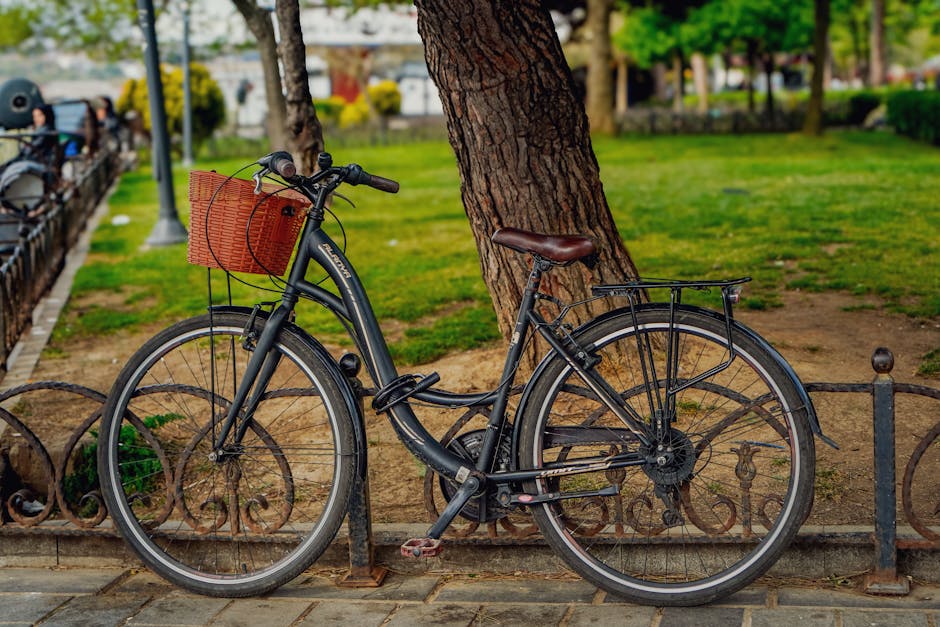
City riding demands reliability, maneuverability, and smart design—not flashy specs or overpowered motors. The right e-bike should feel like a natural extension of your daily routine, not a complicated gadget. Whether you’re replacing a car trip, supplementing public transit, or just want a healthier way to get around, this guide helps you choose wisely without overspending.
Why Value Matters More Than Price Alone
Many first-time buyers fixate on price, but value is what truly determines satisfaction. A cheaper e-bike may seem appealing, but hidden costs—like frequent repairs, short battery life, or poor after-sales support—can quickly outweigh the initial savings. True value comes from durability, ease of maintenance, and performance that matches your city’s terrain and traffic patterns.
For example, a $1,200 e-bike with a reputable mid-drive motor, puncture-resistant tires, and a 500Wh battery may outperform and outlast a $900 model with a hub motor and minimal warranty. Over three years, the higher upfront cost could mean fewer replacements, less downtime, and better resale value.
Focus on total cost of ownership: consider battery replacement (typically every 3–5 years), tire wear, brake maintenance, and whether the brand offers local service. Brands like Rad Power Bikes, Aventon, and Trek offer strong customer support and accessible parts, which adds long-term value even if the sticker price is slightly higher.
Key Features to Evaluate for City Riding
Urban environments present unique challenges: potholes, curbs, traffic signals, and frequent stops. Your e-bike should handle these with confidence. Here are the most important features to assess:
- Battery capacity and range: Look for at least 400–500Wh for reliable daily use. A 500Wh battery typically delivers 30–50 miles per charge, depending on assist level and terrain. Avoid models that don’t disclose real-world range estimates.
- Motor type and power: Mid-drive motors (e.g., Bosch, Shimano) offer better balance and efficiency on hills, while hub motors (front or rear) are simpler and often cheaper. For flat cities, a 250W–500W hub motor is sufficient. Avoid anything over 750W unless you need high-speed performance—most cities limit e-bike speeds to 20 mph.
- Frame geometry and weight: Step-through frames are easier to mount in traffic and better for riders wearing work clothes or carrying bags. Aim for under 50 lbs if you’ll need to carry it upstairs or load it onto transit.
- Tires and suspension: Wider tires (1.75” to 2.3”) with reflective sidewalls improve grip and comfort on rough pavement. Full suspension is rare on city e-bikes and often unnecessary—opt for a front suspension fork only if your route includes significant bumps.
- Braking system: Mechanical disc brakes are adequate for light use, but hydraulic discs offer superior stopping power in rain and heavy traffic. Avoid rim brakes—they wear faster and lose effectiveness when wet.
- Lighting and visibility: Integrated front and rear lights are essential for safety. Look for models with automatic activation or USB-rechargeable systems. Reflective elements on pedals, wheels, and frame add extra visibility.
- Gear system: A 7- or 8-speed drivetrain is ideal for city riding. More gears aren’t necessary unless you face steep hills. Belt drives (e.g., Gates Carbon Drive) are cleaner and require less maintenance than chains but may limit gear options.
Understanding Local Laws and Classifications
E-bike regulations vary by city and country, and compliance affects where and how you can ride. In the U.S., most states follow a three-class system:
- Class 1: Pedal-assist only, max speed 20 mph.
- Class 2: Throttle-assisted, max speed 20 mph.
- Class 3: Pedal-assist only, max speed 28 mph (often restricted from bike paths).
Many cities prohibit Class 3 e-bikes from bike lanes or require helmets. Check your local transportation authority’s rules before buying. For example, New York City allows Class 1 and 2 e-bikes on bike lanes but bans throttles on sidewalks. In Europe, most countries limit motor power to 250W and speed to 25 km/h (15.5 mph).
Also consider registration and insurance. Some cities require e-bike registration if the motor exceeds certain thresholds. While not common, theft insurance is worth considering—especially in high-theft areas. A GPS tracker (like those from Invoxia or Apple AirTag) can improve recovery chances.
Test Rides and Fit: Don’t Skip This Step
Never buy an e-bike without test riding it. Fit affects comfort, control, and safety—especially in tight urban spaces. A poorly sized bike can cause back pain, hand numbness, or instability at low speeds.
During a test ride, evaluate:
- Can you touch both feet flat on the ground when stopped?
- Is the handlebar height comfortable without straining your shoulders?
- Does the bike feel stable at 5–10 mph, the typical speed in city traffic?
- Can you easily reach the brakes and shifter while riding?
If the shop doesn’t offer test rides, consider brands with generous return policies (e.g., 14–30 days). Some retailers, like REI or local bike co-ops, offer demo days or rental programs.
Battery and Charging: Real-World Expectations
Battery performance degrades over time, and city riding—with frequent stops and starts—can drain power faster than steady highway speeds. Most lithium-ion e-bike batteries last 500–1,000 charge cycles before capacity drops to 70–80%.
To maximize lifespan:
- Avoid fully draining the battery; recharge when it hits 20–30%.
- Store the battery at 40–60% charge if not using the bike for weeks.
- Keep it out of extreme heat or cold—don’t leave it in a car on a summer day.
Charging time varies: a 400Wh battery takes 3–4 hours with a standard charger. Fast chargers can cut this in half but may reduce long-term battery health. If you commute daily, consider a second battery or a model with removable batteries for easy charging at work.
Accessories That Add Real Value
Some accessories are worth the investment; others are unnecessary. Prioritize based on your routine:
- Fenders: Essential in rainy climates. Full-coverage fenders keep you and the drivetrain clean.
- Rack and panniers: More practical than a backpack for carrying groceries, laptops, or work clothes. Look for racks rated for 25–40 lbs.
- Lock: A U-lock (e.g., Kryptonite) is more secure than a cable. Use it to secure both the frame and rear wheel.
- Phone mount: Useful for navigation, but ensure it doesn’t block the display or interfere with controls.
- Mirrors: Handlebar or helmet mirrors improve awareness in traffic.
Avoid decorative lights, excessive decals, or performance upgrades like racing tires—they add cost without improving city functionality.
Where to Buy: Retailers vs. Direct-to-Consumer
Buying from a local bike shop (LBS) offers immediate support: free tune-ups, expert fitting, and hands-on troubleshooting. Many LBSs now carry e-bikes and can help with registration or warranty claims.
Direct-to-consumer brands (e.g., Lectric, Rad Power) often offer lower prices and online tools for sizing and support. However, you’ll handle assembly and repairs yourself unless you pay for professional setup.
Hybrid options exist: some online brands partner with local mechanics for assembly. Check if your preferred model offers this service. If you’re not mechanically inclined, paying $100–150 for professional assembly is a smart investment.
Common Mistakes First-Time Buyers Make
Even with research, new buyers often fall into traps that compromise value and safety:
- Ignoring weight limits: Overloading the bike with cargo or a rider beyond the rated capacity strains the motor and brakes.
- Skipping the manual: E-bikes have unique maintenance needs. Not following break-in procedures or torque specs can void warranties.
- Assuming all e-bikes are the same: A $600 e-bike from a big-box store rarely matches the build quality of a $1,400 model from a dedicated brand.
- Neglecting software updates: Some e-bikes require firmware updates for optimal performance. Check if the brand provides these and how to install them.
- Buying based on looks alone: A sleek design doesn’t guarantee reliability. Focus on components, not aesthetics.
Top Budget-Friendly Models for City Use (2024)
These e-bikes balance price, performance, and urban practicality:
| Model | Price | Battery | Motor | Weight | Best For |
|---|---|---|---|---|---|
| Rad Power RadCity 5 Plus | $1,699 | 672Wh | 750W Hub | 63 lbs | Long commutes, cargo |
| Aventon Level.2 | $1,599 | 614Wh | 750W Hub | 56 lbs | Balanced performance |
| Lectric XP 3.0 | $999 | 500Wh | 850W Hub | 58 lbs | Budget entry |
| Trek Verve+ 2 | $2,499 | 500Wh | 250W Mid-Drive | 49 lbs | Premium comfort |
Note: Prices and specs may vary. Always confirm with the manufacturer or retailer.
Final Checklist Before You Buy
Before making a purchase, run through this quick checklist:
- ✅ I’ve test-ridden the bike and confirmed the fit.
- ✅ The motor and battery meet my daily distance and terrain needs.
- ✅ The bike complies with local e-bike laws.
- ✅ I understand the warranty and return policy.
- ✅ I’ve budgeted for essential accessories (lock, lights, fenders).
- ✅ I know where to get service or repairs.
Taking these steps ensures you’re not just buying a bike—you’re investing in a reliable, cost-effective way to navigate the city.
Conclusion
Choosing your first electric bicycle doesn’t have to be overwhelming. With the right electric bicycle advice, every first-time buyer can find a model that delivers real value on city streets. Focus on durability, fit, and practical features over flashy specs. Prioritize reputable brands, test ride whenever possible, and consider long-term costs—not just the price tag. A well-chosen e-bike becomes more than transportation; it’s a tool for healthier, greener, and more enjoyable urban living.
FAQ
How far can I expect to ride on a single charge in the city?
Most city e-bikes with a 500Wh battery deliver 30–50 miles per charge, depending on assist level, rider weight, and terrain. Frequent stops and starts in traffic reduce range slightly compared to steady riding.
Can I ride an e-bike in the rain?
Yes, most e-bikes are designed for wet conditions. Look for models with IP-rated components and avoid submerging the battery or motor. Dry the bike after riding in heavy rain to prevent corrosion.
Do I need a special license to ride an e-bike in the city?
In most U.S. cities, no license is required for Class 1 or 2 e-bikes. However, some cities require helmets for riders under 18 or restrict where e-bikes can be ridden. Always check local regulations.
Related keywords: Electric bicycle advice every first-time buyer should read before shopping with a focus on value for city streets.
