
Road Cycling Guide for Building Confidence in Traffic and Group Rides: A Versatile Approach for New Cyclists Leave a comment
Road Cycling Guide for Building Confidence in Traffic and Group Rides: A Versatile Approach for New Cyclists
New cyclists often hesitate to ride on roads or join group rides due to safety concerns, uncertainty about etiquette, or fear of holding others back. This road cycling guide for building confidence in traffic and group rides offers a practical, step-by-step approach tailored to beginners. Whether you’re navigating city streets or riding with a local club, the strategies here prioritize safety, awareness, and adaptability—helping you grow into a more confident and versatile rider. By focusing on real-world scenarios, clear communication, and gradual progression, this guide supports sustainable progress without overwhelming new cyclists.
Why Confidence Matters in Road Cycling
Confidence isn’t just about feeling comfortable—it’s about making quick, safe decisions under pressure. On busy roads or in fast-moving groups, hesitation can lead to dangerous situations. New riders who lack confidence may brake suddenly, drift into traffic, or fail to signal turns, increasing the risk of collisions. Building confidence means developing muscle memory, situational awareness, and the ability to read both the road and other riders.
Unlike mountain biking or casual trail riding, road cycling demands constant attention to traffic patterns, vehicle behavior, and group dynamics. A confident rider anticipates hazards, communicates clearly, and maintains predictable movements. This reduces stress for everyone involved and makes riding more enjoyable.
Starting Right: Essential Skills for Road Safety
Before joining group rides or cycling in traffic, master these foundational skills:
- Balancing at low speeds: Practice stopping and starting smoothly, especially when waiting at intersections.
- Hand signals: Use clear left and right turn signals, as well as a stop signal (left arm down).
- Scanning and checking: Regularly look over your shoulder before changing lanes or merging.
- Braking control: Learn to use both brakes evenly—front brake for speed, rear for stability.
- Predictable line: Ride in a straight, consistent path to avoid surprising drivers or other cyclists.
Spend time practicing these in a quiet parking lot or low-traffic neighborhood. Repetition builds automaticity, so you don’t have to think about them when traffic gets busy.
Gear That Supports Confidence
Your equipment plays a key role in feeling secure. A well-fitted helmet, bright clothing, and front and rear lights (even during the day) increase visibility. Consider a mirror clipped to your helmet or sunglasses—it lets you monitor traffic behind you without turning your head.
A reliable bike with properly inflated tires and functioning brakes is non-negotiable. If your bike isn’t serviced regularly, small issues like squeaky brakes or a slipping chain can erode confidence quickly. Visit a local shop for a basic tune-up before your first group ride.
Navigating Traffic: Strategies for Urban and Suburban Roads
City and suburban roads present unique challenges: parked cars, turning vehicles, pedestrians, and inconsistent bike infrastructure. Use these tactics to stay safe:
- Ride in the right third of the lane: This makes you visible to drivers and discourages unsafe passing.
- Avoid the door zone: Stay at least 3–4 feet away from parked cars to avoid opening doors.
- Make eye contact: At intersections, try to establish eye contact with drivers before proceeding.
- Use bike lanes wisely: If a bike lane ends abruptly or is obstructed, move into the traffic lane early and signal your intention.
- Plan your route: Use apps like Komoot or Ride with GPS to find roads with lower speed limits and better bike access.
Example: On a four-lane road with a bike lane, if you need to make a left turn, move into the left-turn lane early, signal, and wait your turn—just like a car. Don’t swerve across lanes at the last second.
What to Do When You Feel Overwhelmed
If traffic becomes too intense, it’s okay to pull over safely. Use sidewalks only if permitted by local law, and dismount if necessary. Remember: your safety comes first. Many new riders feel pressure to “keep up,” but choosing a less busy route or riding during off-peak hours is a smart, confident decision.
Joining Group Rides: Etiquette and Expectations
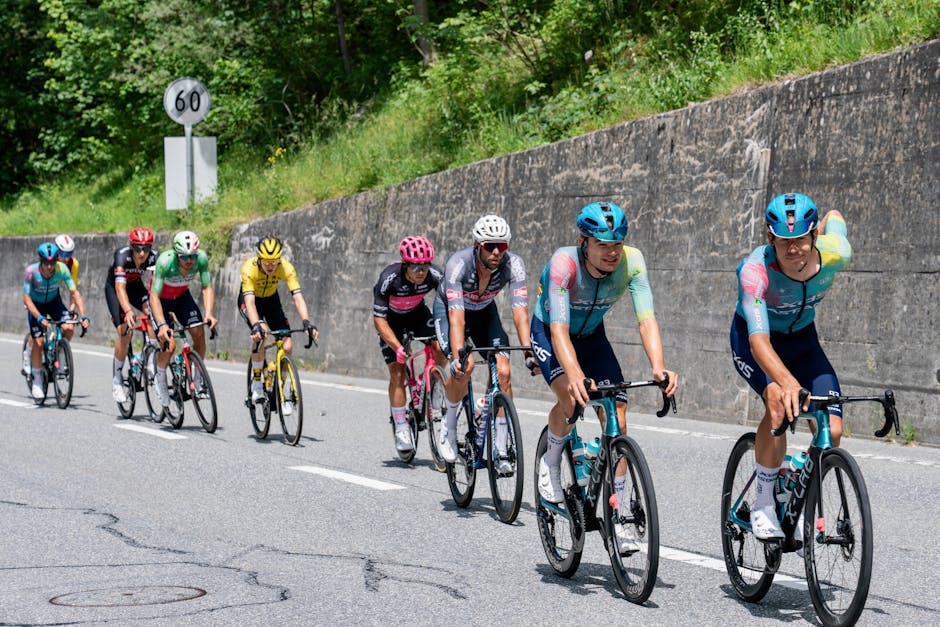
Group rides can be intimidating, but they’re one of the best ways to build confidence and skill. Most clubs offer beginner-friendly rides with sweep riders (who stay at the back) and ride leaders. Here’s how to prepare:
- Start with short, slow rides: Look for events labeled “no-drop” or “beginner” where no one is left behind.
- Learn the hand signals: Groups use signals for hazards (e.g., pointing down for potholes), slowing, or stopping.
- Maintain a steady pace: Avoid sudden accelerations or braking. Ride in a straight line and match the speed of the rider in front.
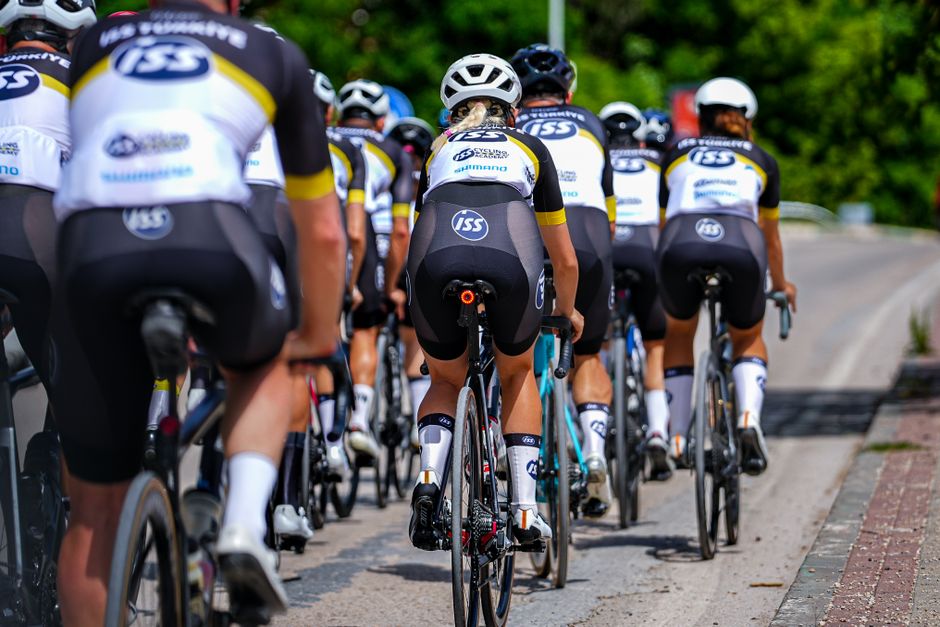
- Stay in the draft: Ride close (but not too close) to the wheel in front to save energy—usually 6–12 inches behind.
- Communicate verbally: Say “car back,” “clear,” or “slowing” to alert others.
Example: In a paceline (a single-file formation), riders take turns at the front and rotate back. As a beginner, stay in the middle or back until you’re comfortable with the rhythm.
Common Group Ride Mistakes to Avoid
New riders sometimes make these errors:
- Braking with the front brake only: This can cause a front-wheel skid or flip. Use both brakes gently.
- Riding too close to the wheel ahead: A “bump” can happen if the front rider slows suddenly. Maintain a safe following distance.
- Not signaling turns or stops: Always signal early so others can react.
- Ignoring ride etiquette: Don’t yell or make sudden moves. Stay predictable.
Most groups are welcoming and patient. If you make a mistake, apologize briefly and adjust. Learning is part of the process.
Building Versatility: Adapting to Different Conditions
A versatile cyclist can handle changing weather, terrain, and ride types. This adaptability builds long-term confidence. Practice in varied conditions when it’s safe to do so:
- Wet roads: Brake earlier, avoid painted lines and manhole covers, and increase following distance.
- Hills: Shift gears early, stay seated on steep climbs, and use lower gears on descents for control.
- Night riding: Use bright lights, reflective gear, and avoid dark clothing.
- Different bike types: Try riding a hybrid, gravel, or endurance road bike to understand how geometry affects handling.
Example: A flat-bar hybrid bike offers more upright visibility in traffic, while a drop-bar road bike is faster on long rides. Knowing your bike’s strengths helps you choose the right tool for the ride.
When to Ride Alone vs. With a Group
Both have benefits. Solo rides let you focus on skill-building without pressure. Group rides improve communication, pacing, and motivation. Alternate between the two:
- Solo: For practicing skills, testing new routes, or riding at your own pace.
- Group: For learning etiquette, improving fitness, and gaining confidence in traffic.
Aim for a balance—maybe two solo rides and one group ride per week as you progress.
Progressive Training: A 4-Week Confidence Plan
Use this simple plan to build confidence step by step:
| Week | Focus | Activities |
|---|---|---|
| 1 | Basic Skills | Practice hand signals, braking, and low-speed balance in a safe area. |
| 2 | Traffic Exposure | Ride on quiet streets during off-peak hours. Practice lane positioning. |
| 3 | Group Familiarity | Join a beginner ride. Focus on communication and staying with the group. |
| 4 | Versatility | Ride in light rain, try a hill route, or switch bike types if possible. |
Track your progress in a journal. Note what felt challenging and what went well. Over time, you’ll see clear improvement.
Staying Safe: Red Flags and When to Stop
Confidence shouldn’t override caution. Be aware of these warning signs:
- Feeling panicked or disoriented in traffic
- Consistently struggling to keep up with a group
- Riding in conditions beyond your skill level (e.g., heavy rain, high-speed roads)
If any of these apply, step back. Choose easier routes, ride with more experienced friends, or take a cycling safety course. Organizations like the League of American Bicyclists offer online and in-person training.
Long-Term Growth: From Beginner to Confident Rider
Confidence grows with experience, not perfection. Celebrate small wins—successfully signaling a turn, completing your first group ride, or navigating a busy intersection. Over time, these moments compound into real competence.
Stay curious. Watch experienced riders, ask questions, and reflect on each ride. The most versatile cyclists aren’t the fastest—they’re the ones who can adapt, stay calm, and keep riding safely in any situation.
Conclusion
This road cycling guide for building confidence in traffic and group rides emphasizes gradual progress, practical skills, and smart decision-making. By mastering basics, practicing in real conditions, and joining supportive groups, new cyclists can develop the confidence and versatility needed to enjoy road cycling safely. Remember: every expert was once a beginner. With patience and practice, you’ll find your rhythm on the road.
FAQ
How do I know if a group ride is right for me as a beginner?
Look for rides labeled “beginner,” “no-drop,” or “social pace.” These are designed for new riders and often include ride leaders and sweep support. Contact the organizer beforehand to ask about pace, distance, and expectations.
What should I do if a car passes too closely?
Stay calm and maintain your line. Don’t swerve or brake suddenly. Afterward, consider reporting the incident to local authorities if it felt dangerous. Over time, riding predictably and visibly reduces the chance of close passes.
Can I build confidence without joining a group?
Yes. Solo rides allow focused practice on skills and route familiarity. Combine them with online tutorials, safety courses, and occasional group rides when ready. The key is consistent, mindful practice.
Related keywords: Road cycling guide for building confidence in traffic and group rides with a focus on versatility for new cyclists.
