Electric Bicycle Advice That Helps Cyclists Ride Farther with Less Effort—Especially for New Riders Leave a comment
Electric Bicycle Advice That Helps Cyclists Ride Farther with Less Effort—Especially for New Riders
If you’re new to cycling or considering an electric bike to make riding easier and more enjoyable, the right electric bicycle advice can make all the difference. Electric bikes (e-bikes) are designed to assist your pedaling, letting you cover more ground with less fatigue—ideal for commuting, errands, or weekend adventures. This guide delivers practical, beginner-friendly tips to help you ride farther with less effort, focusing on versatility, smart gear choices, and riding techniques that suit a range of terrains and fitness levels. Whether you’re replacing a car trip or just getting back on two wheels, these strategies will help you get the most from your e-bike experience.
Why E-Bikes Are Ideal for New Cyclists
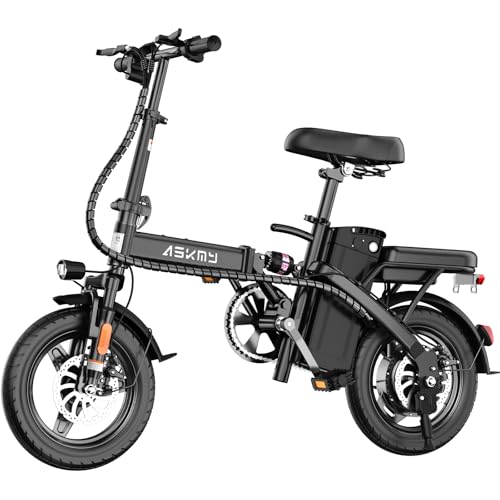
E-bikes lower the barrier to entry for cycling by reducing physical strain. Unlike traditional bicycles, they feature a motor and battery that provide pedal assistance, meaning you don’t have to exert yourself as much—especially on hills or long distances. For new riders, this support builds confidence and encourages longer, more frequent rides. Many modern e-bikes are also built with comfort in mind: upright handlebars, cushioned saddles, and step-through frames make mounting and riding easier.
Versatility is another major advantage. A well-chosen e-bike can handle city streets, gravel paths, light trails, and daily commutes. With the right setup, one bike can serve multiple purposes, eliminating the need for specialized models. This adaptability makes e-bikes a smart investment for riders who want flexibility without complexity.
Choosing the Right E-Bike for Versatility and Comfort
Not all e-bikes are created equal. For new cyclists, selecting a model that balances power, range, and ease of use is essential. Here’s what to look for:
- Motor type and placement: Mid-drive motors (located near the pedals) offer better weight distribution and efficiency, especially on hills. Hub motors (in the front or rear wheel) are simpler and often more affordable, ideal for flat urban routes.
- Battery capacity: Measured in watt-hours (Wh), a higher number means longer range. A 400–500Wh battery typically provides 40–80 km (25–50 miles) per charge, depending on assist level and terrain.
- Frame style: Step-through frames are easier to mount, especially for riders with limited mobility or those wearing casual clothing. Traditional diamond frames offer more rigidity and speed.
- Tire width: Wider tires (35mm or more) improve stability and comfort on uneven surfaces. Look for puncture-resistant models if you ride frequently.
- Integrated features: Lights, fenders, and racks add practicality. Built-in USB ports let you charge devices on the go—useful for longer rides.
For example, a commuter might choose a city e-bike with a 500Wh battery, rear rack, and fenders. A recreational rider might prefer a hybrid e-bike with wider tires and a suspension fork for light trail use. Test riding a few models is the best way to find the right fit.
Maximizing Range: How to Ride Farther on a Single Charge
One of the biggest concerns for new e-bike riders is battery life. While most e-bikes offer 40–80 km per charge, real-world range depends on several factors. Here’s how to extend your distance without draining the battery too quickly:
Use the Right Assist Level
Most e-bikes have multiple power settings: Eco, Tour, Sport, and Turbo. Eco mode uses the least energy and can double your range compared to high-power modes. Use higher assist only when needed—like climbing a steep hill or starting from a stop. On flat terrain, lower settings often provide enough support to maintain a comfortable pace without overworking the motor.
Maintain a Steady Cadence
Pedaling at a consistent 60–80 revolutions per minute (rpm) helps the motor work efficiently. Avoid sudden bursts of speed or stopping frequently, which drain the battery faster. Smooth, rhythmic pedaling not only saves energy but also reduces joint strain.
Reduce Weight and Drag
Carry only what you need. Extra weight—like heavy backpacks or unnecessary gear—increases energy demand. Use panniers instead of backpacks to improve aerodynamics and comfort. Keep tires properly inflated; underinflated tires create more rolling resistance, forcing the motor to work harder.
Plan Your Route
Use apps like Komoot or Google Maps to find bike-friendly paths with minimal elevation gain. Avoiding steep hills or headwinds can significantly extend your range. If you must tackle a hill, shift to a lower gear before you start climbing to maintain momentum.
Essential Riding Techniques for Efficiency and Safety
Good technique makes riding easier and safer, especially for beginners. These habits will help you ride farther with less effort:
- Start in a low gear: Begin pedaling before engaging the motor to build momentum. This reduces strain on the battery and motor.
- Anticipate stops: Ease off the throttle and start pedaling early when approaching red lights or intersections. This conserves energy and gives you better control.
- Use both brakes evenly: Most e-bikes have disc brakes. Apply front and rear brakes together for smooth, controlled stops. Avoid grabbing the front brake suddenly, which can cause skidding.
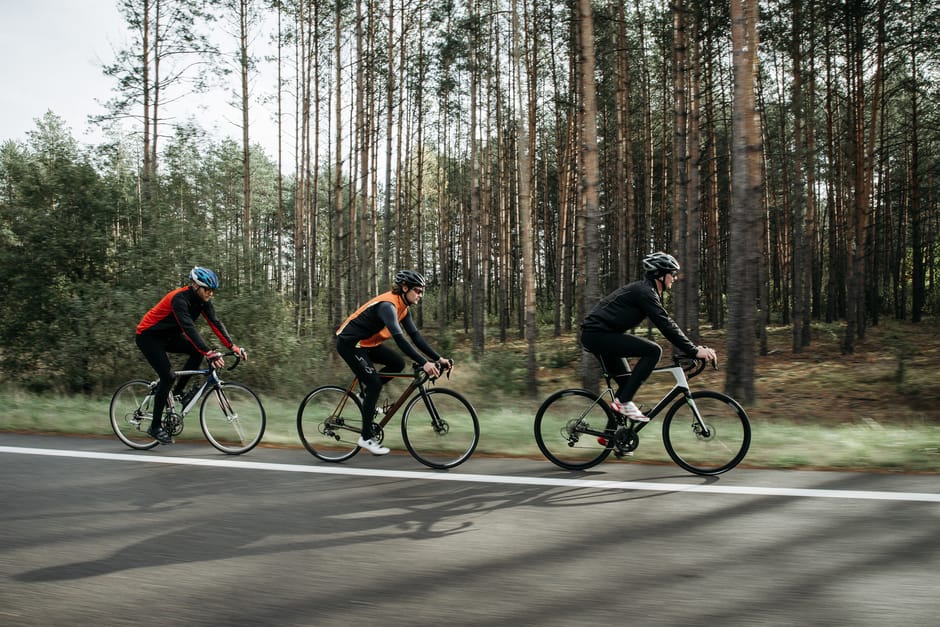
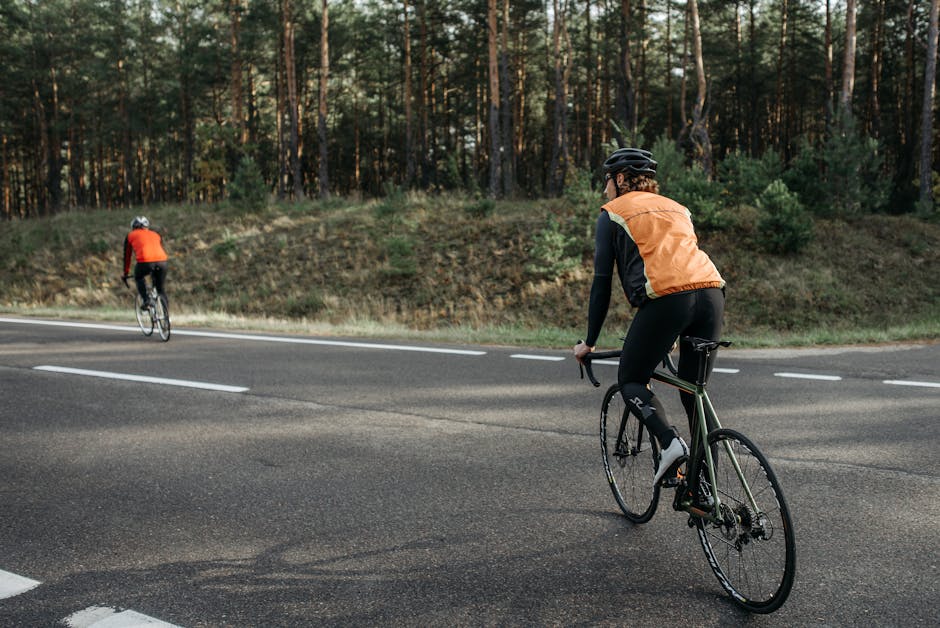
- Stay visible: Wear bright clothing and use front and rear lights, even during the day. Many e-bikes come with automatic lights that turn on in low light.
New riders often make the mistake of relying too heavily on the motor. While the assist is helpful, combining it with steady pedaling gives the best balance of efficiency and control. Think of the motor as a partner, not a replacement for your effort.
Maintaining Your E-Bike for Long-Term Performance
Regular maintenance ensures your e-bike remains reliable and efficient. Neglecting upkeep can lead to reduced range, poor performance, or costly repairs. Here’s a simple routine:
Weekly Checks
- Inspect tires for wear and proper inflation (check the sidewall for recommended PSI).
- Test brakes and ensure pads aren’t worn down.
- Clean the chain and apply lubricant if it looks dry or gritty.
- Check that all bolts (especially on the handlebars, stem, and seat post) are tight.
Monthly Maintenance
- Wipe down the frame and components to remove dirt and moisture.
- Check battery connections and clean terminals with a dry cloth.
- Inspect the drivetrain (chain, cassette, derailleur) for wear or misalignment.
Battery Care
Lithium-ion batteries last longest when kept between 20% and 80% charge for daily use. Avoid fully draining the battery regularly. Store the bike in a cool, dry place—extreme heat or cold can damage the battery. If you won’t ride for weeks, store the battery at about 50% charge.
Most manufacturers recommend professional servicing once a year. A technician can check motor alignment, update firmware, and inspect internal components.
Accessories That Enhance Comfort and Utility
The right accessories can transform your e-bike into a versatile, all-weather machine. Consider these practical additions:
| Accessory | Benefit |
|---|---|
| Pannier bags | Carry groceries, laptops, or gear without straining your back |
| Phone mount | Use GPS navigation safely while riding |
| Comfort saddle | Reduce soreness on longer rides |
| Suspension seatpost | Absorb bumps on rough roads or trails |
| Mirror | Improve awareness of traffic without turning your head |
Investing in quality accessories early can prevent discomfort and increase how often you ride. A few well-chosen items make the difference between an occasional trip and a daily habit.
Overcoming Common Challenges for New E-Bike Riders
Even with the right bike and gear, new riders face hurdles. Here’s how to handle the most common issues:
Range Anxiety
Worrying about running out of battery is normal. To ease concerns, always start with a full charge and carry a charger if possible. Many public places—libraries, cafes, transit hubs—offer outlets. Some e-bikes support fast charging, giving you 50% power in under an hour.
Hills and Inclines
Steep hills can be intimidating, but e-bikes are built to handle them. Shift to a low gear before the climb, maintain a steady pace, and use higher assist levels sparingly. If you stall, don’t panic—most motors provide instant torque when you start pedaling again.
Traffic and Navigation
City riding requires awareness. Stick to bike lanes when available, signal turns clearly, and make eye contact with drivers. Use a bell or horn to alert pedestrians. Practice riding in quiet areas before tackling busy streets.
Weather Conditions
Rain and wind affect range and safety. Fenders keep you dry, and lights improve visibility. In wet conditions, brake earlier and avoid sudden maneuvers. Cold weather reduces battery performance—keep the battery warm before riding if possible.
Electric Bicycle Advice for Long-Term Enjoyment
The key to lasting success with an e-bike is consistency. Start with short, manageable rides and gradually increase distance and difficulty. Track your progress with a bike computer or app to stay motivated. Join local cycling groups or online forums to share tips and routes.
Remember, the goal isn’t to ride like a professional—it’s to enjoy the journey. E-bikes make cycling accessible, sustainable, and fun. With the right setup and habits, you’ll find yourself riding farther, more often, and with far less effort.
FAQ
How far can I really ride on one charge?
Most e-bikes offer 40–80 km (25–50 miles) per charge, depending on battery size, assist level, terrain, and rider weight. Using Eco mode and maintaining steady pedaling can maximize range.
Do I still get exercise on an e-bike?
Yes. Even with motor assistance, you’re still pedaling and engaging your muscles. E-bikes provide moderate exercise and are excellent for building fitness gradually, especially for beginners or those returning to activity.
Can I ride an e-bike in the rain?
Most e-bikes are water-resistant and safe to ride in light rain. Avoid submerging the motor or battery, and dry the bike after wet rides. Use fenders and wear waterproof gear for comfort.
Related keywords: Electric bicycle advice that helps cyclists ride farther with less effort with a focus on versatility for new cyclists.
