
Best Bicycles Shortlist for Riders Comparing Price, Weight, and Features with a Focus on Versatility for New Cyclists Leave a comment
Best Bicycles Shortlist for Riders Comparing Price, Weight, and Features with a Focus on Versatility for New Cyclists
Choosing your first bike can feel overwhelming, but focusing on price, weight, and features—especially versatility—simplifies the decision. This guide presents a curated shortlist of the best bicycles for new riders who want a dependable, all-around performer without overspending. Whether you’re commuting, exercising, or exploring local trails, these models balance affordability, manageable weight, and practical components to support a smooth entry into cycling.
Why Versatility Matters for New Cyclists
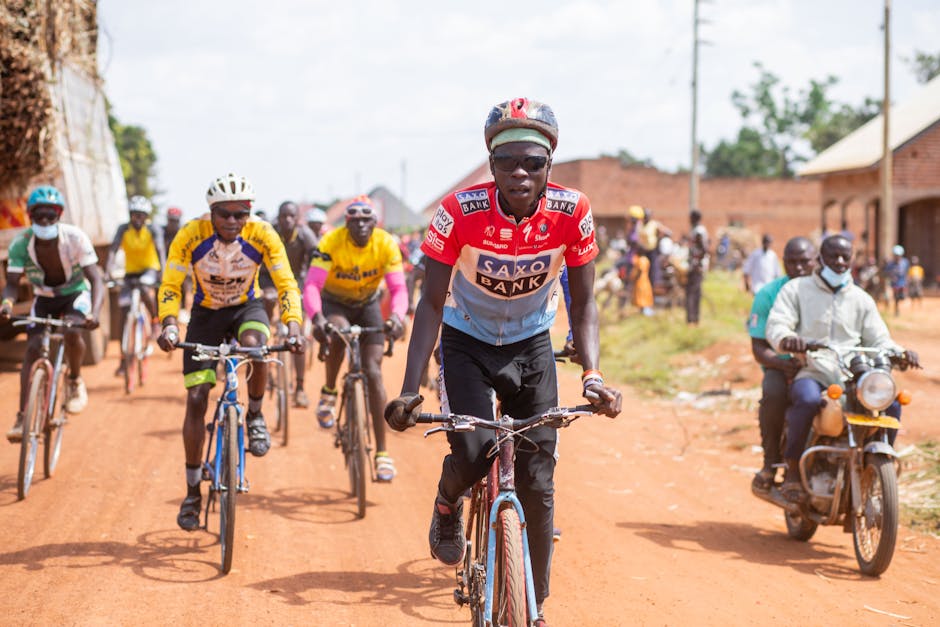
New riders often underestimate how much terrain and use cases vary—even within a single week. One day you might ride on smooth pavement; the next, a gravel path or a slight incline. A versatile bike adapts to these changes without requiring upgrades or specialized gear. Look for models with stable geometry, reliable brakes, and tire clearance that allows for slight off-road excursions. These traits reduce frustration and increase confidence, especially when you’re still learning balance, shifting, and handling.
Versatility also means long-term value. Instead of outgrowing your first bike in a year, a well-chosen model can serve you through different phases—fitness rides, weekend outings, or even light touring. That’s why our shortlist prioritizes bikes that perform well across multiple conditions, not just one narrow use case.
Key Factors to Compare: Price, Weight, and Features
When narrowing down options, three factors stand out: price, weight, and features. Each plays a role in comfort, performance, and overall satisfaction.
Price
For new cyclists, spending between $400 and $800 typically offers the best balance of quality and value. Below $400, components may wear quickly or lack adjustability. Above $800, you’re often paying for marginal gains in weight or materials that matter less at the beginner level. Our recommendations fall within this mid-range, offering solid frames, dependable drivetrains, and serviceable brakes without unnecessary premium markups.
Weight
Lighter bikes are easier to handle, especially when lifting, mounting, or climbing hills. However, ultra-light models often sacrifice durability or cost significantly more. For new riders, a weight range of 25 to 30 pounds (11–14 kg) is ideal. It’s light enough for daily use but robust enough to withstand bumps and frequent stops. Aluminum frames dominate this category, offering a good compromise between strength and weight.
Features
Look for practical features that enhance usability: mechanical disc brakes for consistent stopping in wet conditions, a wide-range cassette for hill climbing, and mounts for racks or fenders if you plan to commute. Internal cable routing improves aesthetics and reduces maintenance, while ergonomic grips and a comfortable saddle make longer rides more enjoyable. Avoid bikes with overly aggressive geometry or racing-specific setups—they’re less forgiving for beginners.
Top 5 Versatile Bikes for New Cyclists
After evaluating dozens of models based on real-world usability, component quality, and user feedback, here are five standout options that deliver strong performance across price, weight, and features.
1. Trek FX 1
Price: $549
Weight: 27.5 lbs (12.5 kg)
Best for: Urban commuting and fitness rides
The Trek FX 1 is a hybrid bike that blends road bike efficiency with mountain bike stability. Its lightweight Alpha Gold Aluminum frame and 21-speed drivetrain make it easy to tackle varied terrain. Mechanical disc brakes provide reliable stopping power, even in rain. With mounts for racks and fenders, it’s a practical choice for daily use. The upright riding position reduces strain on your back and shoulders—ideal for new riders still building core strength.
2. Giant Escape 3
Price: $499
Weight: 28.7 lbs (13 kg)
Best for: Casual riding and short commutes
Giant’s Escape 3 offers excellent value with a durable ALUXX-grade aluminum frame and a simple 21-speed setup. It features puncture-resistant tires and a suspension seatpost for added comfort on rough pavement. While it lacks disc brakes (uses rim brakes), they perform adequately in dry conditions. This model is a great entry point for riders prioritizing affordability without sacrificing core functionality.
3. Specialized Sirrus 2.0
Price: $650
Weight: 26.8 lbs (12.2 kg)
Best for: Fitness-focused riders and mixed-surface exploration
The Sirrus 2.0 stands out with its lightweight A1 Premium Aluminum frame and hydraulic disc brakes—a rarity at this price. The 8-speed drivetrain is simpler than some competitors but sufficient for most urban and light trail use. Its slightly more aggressive geometry encourages efficient pedaling, while still remaining accessible for beginners. The inclusion of reflective accents adds a safety benefit for low-light riding.
4. Cannondale Quick 6
Price: $599
Weight: 27.1 lbs (12.3 kg)
Best for: Recreational riders seeking comfort and control
Cannondale’s Quick 6 features a SmartForm C3 alloy frame and a relaxed geometry that prioritizes comfort over speed. It includes a suspension fork, which smooths out bumps on uneven paths—though it adds minimal weight. The 21-speed Shimano drivetrain and mechanical disc brakes ensure predictable performance. This bike is ideal if you plan to ride on a mix of paved and gravel paths and value a smooth ride above all.
5. Raleigh Cadent 2
Price: $629
Weight: 28.0 lbs (12.7 kg)
Best for: Commuters and weekend explorers
The Cadent 2 combines urban practicality with light trail capability. Its aluminum frame includes internal cable routing and mounts for accessories. The 8-speed drivetrain simplifies shifting, while mechanical disc brakes offer consistent performance. Wider tires (700x35c) provide stability on loose surfaces. Raleigh’s reputation for durable builds makes this a reliable long-term partner for growing cyclists.
How to Choose the Right Bike for Your Needs
With several strong options available, the final decision depends on your specific priorities. Follow these steps to match a bike to your lifestyle:
- Define your primary use: Will you ride mostly on roads, paths, or a mix? Commuting demands durability and accessory compatibility; recreational riding favors comfort.
- Test ride when possible: Fit is personal. A bike that feels too stretched or cramped will discourage regular use. Visit local shops to compare riding positions.
- Consider future upgrades: Some bikes allow tire swaps or component upgrades. Choose one with room to grow if you plan to ride more seriously later.
- Check local support: Brands with strong dealer networks (like Trek or Giant) offer easier maintenance and warranty service.
Common Pitfalls to Avoid
New cyclists often make avoidable mistakes that affect comfort and safety:
- Ignoring fit: A cheap bike that doesn’t fit well is worse than a slightly more expensive one that does. Pay attention to standover height and reach.
- Overlooking brakes: Rim brakes struggle in wet weather. If you ride year-round or in rain-prone areas, prioritize mechanical or hydraulic disc brakes.
- Skipping a tune-up: Even new bikes benefit from a professional adjustment after purchase. Cables stretch, bolts loosen, and tires may need pressure checks.
- Buying based on looks alone: Flashy paint or brand names don’t guarantee performance. Focus on frame material, component quality, and real user reviews.
Final Thoughts: Making the Most of Your First Bike
The best bicycles shortlist for riders comparing price, weight, and features with a focus on versatility for new cyclists includes models that grow with you. These bikes aren’t just entry-level—they’re smart investments in your mobility, health, and enjoyment. By prioritizing real-world usability over specs alone, you’ll spend less time maintaining and more time riding.
Remember, the right bike feels comfortable, handles predictably, and suits your daily needs. Don’t rush the decision. Compare a few models, read owner feedback, and consider test rides. Your first bike should inspire confidence, not compromise it.
FAQ
Q: How much should I spend on my first bike?
A: Aim for $400–$800. This range offers reliable components, decent weight, and versatility without overpaying for features you may not need yet.
Q: Is a lighter bike always better for beginners?
A: Not necessarily. While lighter bikes are easier to handle, extremely light models may lack durability. A weight between 25–30 lbs strikes a good balance for most new riders.
Q: Can I use a hybrid bike for light trail riding?
A: Yes, many hybrid bikes like the Trek FX 1 or Cannondale Quick 6 handle gravel paths and packed dirt trails comfortably, thanks to wider tires and stable frames.
