Best Bicycles to Buy When You Want Comfort, Efficiency, and Practical Design with a Focus on Setup for New Cyclists Leave a comment
Best Bicycles to Buy When You Want Comfort, Efficiency, and Practical Design with a Focus on Setup for New Cyclists
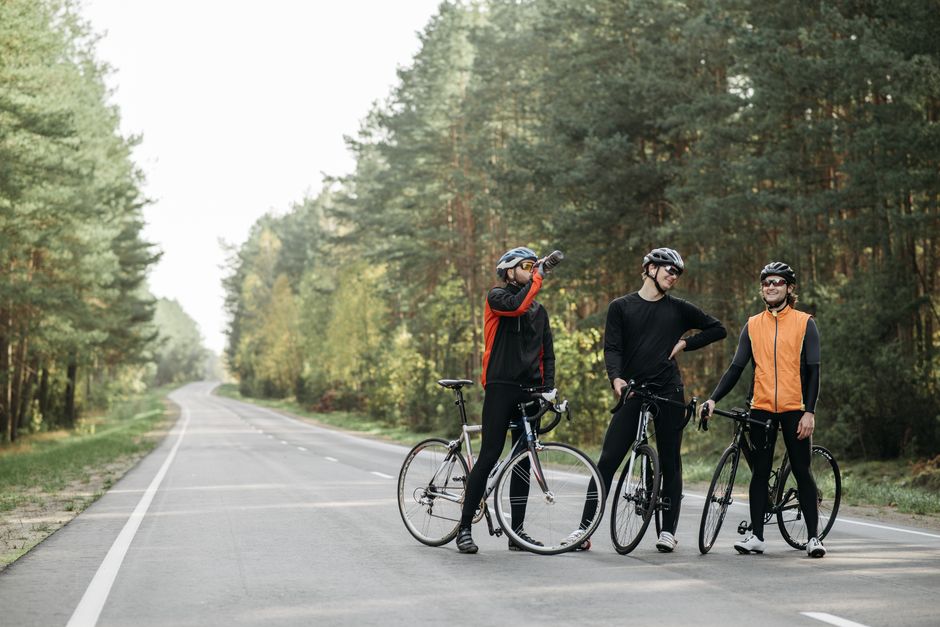
Choosing your first bike can feel overwhelming, especially when you’re looking for a model that balances comfort, efficiency, and practical design. The best bicycles to buy when you want comfort, efficiency, and practical design with a focus on setup for new cyclists are those that prioritize ease of use, reliable components, and a geometry that supports a natural riding posture. These bikes minimize physical strain, simplify maintenance, and come ready to ride with minimal adjustments—ideal for beginners who want to start pedaling without technical hurdles.
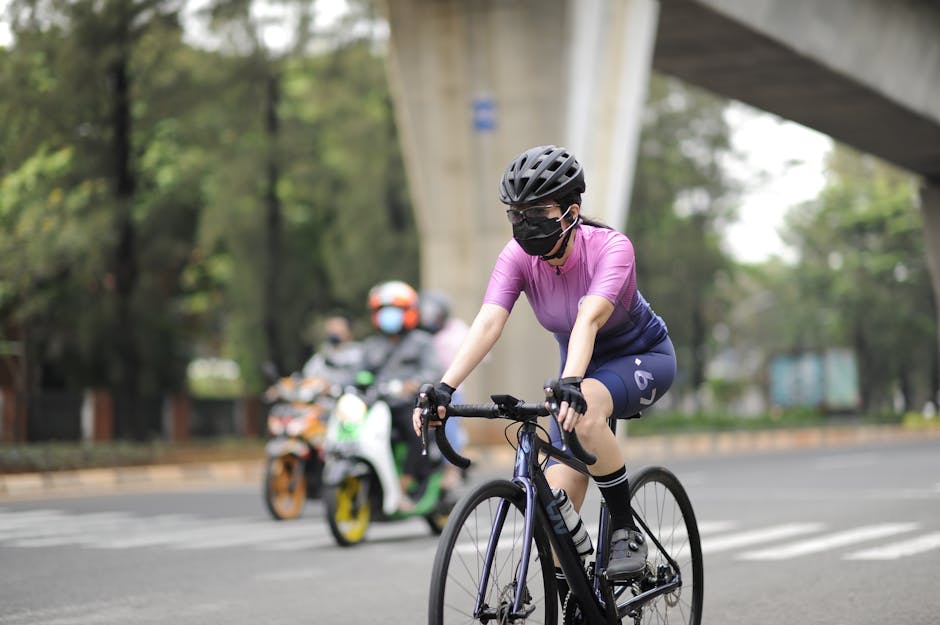
Whether you’re commuting to work, riding for fitness, or exploring local trails, the right bike should feel intuitive from day one. This guide highlights top models across categories—hybrid, city, and entry-level road bikes—that deliver on comfort, performance, and beginner-friendly setup. We’ll walk through key features to look for, compare real-world options, and offer practical advice to help you make a confident purchase.
What Makes a Bike Ideal for New Cyclists?
For new riders, the ideal bike isn’t just about speed or style—it’s about how the bike fits your body, how easy it is to maintain, and how confidently it handles real-world conditions. Comfort comes from a relaxed frame geometry, ergonomic grips, and a well-padded saddle. Efficiency is achieved through smooth gear shifting, lightweight construction, and responsive brakes. Practical design includes features like fender mounts, rack compatibility, and puncture-resistant tires—small details that make daily riding more convenient.
Setup matters just as much. Many new cyclists are intimidated by assembly and tuning. Bikes that arrive 85–90% assembled, include clear instructions, and use tool-free adjustments (like quick-release seat posts and stem levers) reduce frustration and help build confidence. Look for brands that offer professional assembly options or partner with local bike shops for setup support.
Top 5 Bikes for Comfort, Efficiency, and Easy Setup
1. Trek FX 1 (Hybrid Bike)
The Trek FX 1 is a standout hybrid designed for urban commuting and recreational riding. Its lightweight aluminum frame and upright riding position reduce strain on the back and shoulders, making long rides more enjoyable. The bike comes with a 3×7-speed drivetrain, offering a wide range of gears for hills and flats. Mechanical disc brakes provide reliable stopping power in wet conditions—a key safety feature for new riders.
Setup is straightforward: most components are pre-assembled, and Trek’s website includes a detailed assembly video. The FX 1 also includes mounts for racks and fenders, allowing you to add bags or weather protection as needed. At around $600, it’s a solid investment for anyone seeking a durable, low-maintenance bike.
2. Specialized Sirrus 2.0 (Fitness Hybrid)
Specialized designed the Sirrus 2.0 with efficiency in mind. Its A1 Premium Aluminum frame is lightweight yet stiff, translating pedal power into forward motion with minimal loss. The bike features a flat handlebar for better control and a slightly forward-leaning posture that’s more aerodynamic than a cruiser but still comfortable for beginners.
The 2×8-speed Shimano drivetrain simplifies shifting while offering enough range for varied terrain. Hydraulic disc brakes require less hand strength than mechanical ones, which is helpful for riders with smaller hands or limited grip strength. The Sirrus 2.0 arrives nearly fully assembled and includes a two-year warranty on the frame. Priced at approximately $750, it’s a step up in performance without sacrificing usability.
3. Cannondale Quick CX 3 (Cross-Terrain Hybrid)
If you plan to ride on both pavement and light trails, the Cannondale Quick CX 3 offers versatility without complexity. It features a suspension fork with 50mm of travel to absorb bumps, along with wider 700x38c tires that improve grip and stability. The upright geometry keeps you in a natural, alert position, ideal for navigating traffic or uneven paths.
This model includes a 3×8-speed drivetrain and mechanical disc brakes. Cannondale provides a detailed setup guide and recommends a professional tune-up after the first 50 miles. The CX 3 supports rear racks and fenders, making it a practical choice for errands or weekend adventures. At $650, it’s a great value for a capable all-rounder.
4. Giant Escape 2 (Budget-Friendly Commuter)
The Giant Escape 2 delivers excellent value for new cyclists on a budget. Priced around $550, it features an ALUXX-grade aluminum frame that’s both strong and lightweight. The bike’s flat handlebar and relaxed geometry promote comfort, while the 3×8-speed drivetrain handles moderate hills with ease.
Mechanical disc brakes offer consistent performance, and the included kickstand and rear rack mounts add everyday utility. Giant ships the Escape 2 80% assembled, with clear instructions and a QR code linking to an assembly video. It’s a no-frills, reliable option for those prioritizing affordability and function.
5. Liv Alight 2 (Women-Specific Design)
Liv, a brand by Giant focused on women’s cycling, designed the Alight 2 with anatomical considerations in mind. The frame geometry is optimized for shorter torsos and longer legs, with a lower standover height for easier mounting and dismounting. The saddle and grips are shaped for female anatomy, reducing pressure points.
The Alight 2 shares many components with the Giant Escape 2, including the 3×8-speed drivetrain and mechanical disc brakes. It also includes rack and fender mounts, plus a kickstand. Setup is simple, and Liv offers a lifetime frame warranty. At $580, it’s one of the best entry-level bikes tailored specifically for women.
Key Features to Prioritize When Buying Your First Bike
Not all bikes are created equal—especially when you’re new to cycling. Here are the most important features to evaluate before making a purchase:
- Frame Material: Aluminum is the most common choice for entry-level bikes. It’s lightweight, rust-resistant, and affordable. Avoid steel unless you want a heavier, more durable ride.
- Brakes: Disc brakes (mechanical or hydraulic) outperform rim brakes in wet conditions. Hydraulic systems require less effort but may need professional servicing.
- Gearing: A 2x or 3x drivetrain offers enough range for most riders. Avoid single-speed bikes unless you live in a flat area and plan only short rides.
- Tire Width: Wider tires (32c–40c) provide more comfort and stability. Look for puncture-resistant models if you’ll be riding on city streets.
- Adjustability: Quick-release seat posts and stem levers let you fine-tune fit without tools. This is especially helpful if multiple people will use the bike.
- Accessory Mounts: Eyelets for fenders, racks, and water bottles add long-term value. Even if you don’t need them now, they’re useful for future upgrades.
How to Set Up Your New Bike for the Best Ride
Proper setup is crucial for comfort and safety. Even if your bike arrives mostly assembled, a few adjustments can make a big difference:
- Check Tire Pressure: Inflate tires to the recommended PSI (printed on the sidewall). Underinflated tires increase rolling resistance and risk flats.
- Adjust the Saddle Height: When seated, your leg should have a slight bend at the bottom of the pedal stroke. Use a quick-release lever for easy changes.
- Set Handlebar Position: For comfort, the handlebars should be level with or slightly below the saddle. A higher position reduces back strain.
- Test Brakes and Gears: Spin the wheels and apply brakes to ensure they engage smoothly. Shift through all gears to confirm the chain moves without skipping.
- Secure All Bolts: Use a torque wrench if possible, especially on stem, seat post, and brake components. Over-tightening can damage parts.
Many bike shops offer free first-time tune-ups. Take advantage of this service within the first month of ownership to ensure everything is aligned and lubricated.
Common Mistakes New Cyclists Should Avoid
Even with the right bike, poor habits can lead to discomfort or accidents. Avoid these common pitfalls:
- Ignoring Fit: A bike that’s too big or small causes pain and inefficiency. Test ride before buying, or consult a sizing chart based on your height and inseam.
- Skipping the Helmet: Always wear a certified helmet. Look for CPSC certification and ensure it fits snugly without tilting forward or backward.
- Riding Without Lights: If you ride at dawn, dusk, or night, front and rear lights are essential. Many cities require them by law.
- Neglecting Maintenance: Clean your chain monthly and check tire pressure weekly. A dry chain wears out faster and makes pedaling harder.
- Overloading the Bike: If you add a rack and panniers, don’t exceed the manufacturer’s weight limit. Overloading affects handling and can damage the frame.
Final Thoughts: Choosing the Right Bike for Your Lifestyle
The best bicycles to buy when you want comfort, efficiency, and practical design with a focus on setup for new cyclists are those that align with your daily needs and physical comfort. Whether you choose a hybrid like the Trek FX 1 for city riding or a women-specific model like the Liv Alight 2 for a better fit, prioritize ease of use, reliable components, and beginner-friendly features.
Don’t rush the decision. Visit local bike shops, test ride multiple models, and ask about assembly and warranty options. A well-chosen bike will reward you with years of enjoyable, low-stress riding. Remember: the goal isn’t to buy the most advanced bike—it’s to find one that makes cycling feel natural, safe, and fun from the very first mile.
FAQ
How much should I spend on my first bike?
For a new cyclist, a budget of $500–$800 is realistic and will get you a reliable, well-equipped bike. Avoid ultra-cheap models under $300, as they often have poor components and uncomfortable geometry.
Do I need to assemble the bike myself?
Most bikes arrive 80–90% assembled. You’ll typically need to attach the front wheel, handlebars, and pedals. Many brands provide online guides or videos. For peace of mind, consider paying a shop for full assembly.
Can I upgrade my bike later?
Yes. Many entry-level bikes allow upgrades like better saddles, tires, or drivetrains. Focus first on fit and function—upgrades can come as your skills and needs evolve.
