
Detailed Bicycle Buying Advice for Riders Comparing Comfort, Fit, and Value with a Focus on Safety for Daily Commuting Leave a comment
Detailed Bicycle Buying Advice for Riders Comparing Comfort, Fit, and Value with a Focus on Safety for Daily Commuting
Choosing the right bicycle for daily commuting means balancing comfort, proper fit, long-term value, and—most importantly—safety. Whether you’re navigating city streets, bike lanes, or mixed traffic, your bike should support your body, suit your route, and protect you in real-world conditions. This detailed bicycle buying advice walks you through essential considerations, from frame geometry and component quality to visibility features and maintenance needs, so you can make a confident, informed decision that prioritizes both performance and protection.
Why Comfort, Fit, and Safety Matter Most for Commuters
Daily commuting exposes riders to repetitive stress, variable weather, and unpredictable traffic. A bike that feels awkward or unstable quickly becomes a liability. Comfort reduces fatigue and strain, especially on longer rides or uneven pavement. Proper fit prevents pain in your back, neck, wrists, and knees—common issues when handlebars are too low or the saddle is misaligned. Safety isn’t just about helmets; it’s built into the bike’s design, lighting, braking system, and visibility features. Prioritizing these three elements ensures your commute is efficient, sustainable, and secure.
Understanding Fit: Getting the Right Size and Geometry
A well-fitted bike starts with the correct frame size. Most manufacturers provide size charts based on rider height, but inseam measurement is often more accurate. For example, a 5’8″ rider might fit a medium frame, but if their legs are longer than average, a large frame with a shorter stem could offer better control.
Frame geometry also affects fit. Commuter bikes typically fall into three categories:
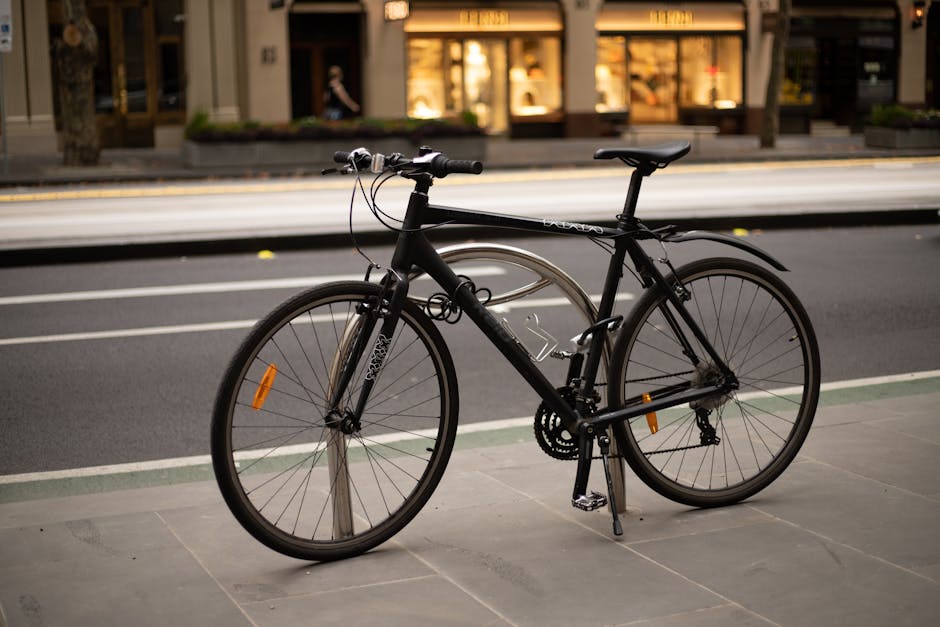
- Upright hybrids: Relaxed posture, wide handlebars, ideal for short to medium distances with frequent stops.
- Fitness or flat-bar road bikes: Slightly forward-leaning position, lighter frames, better for faster commutes on paved roads.
- Cargo or utility bikes: Long wheelbases, reinforced frames, built for carrying loads but may feel sluggish in tight traffic.
Test riding is non-negotiable. Visit local shops and ride at least two models in your size range. Pay attention to how your weight is distributed—too much on your hands or wrists signals poor fit. Adjustable stems and seat posts can fine-tune positioning, but they can’t fix a fundamentally wrong frame size.
Comfort Features That Make a Real Difference
Comfort isn’t just about a padded saddle. It’s the sum of several design choices:
- Saddle design: Look for cutouts or ergonomic shaping to reduce pressure. Women-specific saddles often have wider rear sections.
- Handlebar type: Flat or riser bars promote an upright position; swept-back bars (common on Dutch-style bikes) reduce wrist strain.
- Suspension: Front suspension forks absorb bumps but add weight and maintenance. For city riding, a suspension seat post or wider tires (32mm–42mm) often provide sufficient cushioning with less complexity.
- Tire width and pressure: Wider tires at lower pressures (within recommended range) improve grip and shock absorption. A 35c tire at 50 psi feels noticeably smoother than a 25c at 80 psi on cracked pavement.
One often-overlooked factor: step-through frames. They make mounting and dismounting easier, especially when wearing work clothes or carrying a bag—reducing the risk of losing balance at intersections.
Evaluating Value: What You’re Really Paying For
Value isn’t just the lowest price—it’s durability, ease of maintenance, and component quality over time. A $500 bike with mechanical disc brakes, a reliable drivetrain, and puncture-resistant tires often outperforms a $300 model that requires frequent repairs.
Key Components That Affect Long-Term Value
| Component | Budget Option | Recommended for Commuting | Why It Matters |
|---|---|---|---|
| Brakes | Rim brakes (V-brake) | Mechanical or hydraulic disc brakes | Disc brakes perform better in wet conditions and require less hand force. |
| Drivetrain | 7-speed freewheel | 8–9 speed cassette with sealed bearings | |
| Tires | 28c slick, basic rubber | 32c–40c with puncture protection (e.g., Schwalbe Marathon) | Wider, reinforced tires reduce flats and improve comfort on rough roads. |
| Frame Material | Hi-ten steel (heavy) | Aluminum or chromoly steel | Aluminum is light and rust-resistant; chromoly offers a smoother ride than basic steel. |
Avoid bikes labeled “department store quality.” These often use proprietary parts, poor-quality bearings, and minimal adjustability. Brands like Trek, Giant, Specialized, and Canyon offer reliable entry-level commuters under $800 that hold up well with basic care.
Hidden Costs to Consider
Factor in accessories you’ll likely need:
- Fenders: Keep you dry and clean in rain or wet roads.
- Rack and panniers: More stable and comfortable than backpacks for carrying laptops or groceries.
- Lights: Front white light (at least 200 lumens) and rear red light (steady and flashing modes) are essential for visibility.
- Lock: A U-lock or heavy-duty chain prevents theft—budget $50–$100 for a quality model.
These add $150–$300 to your total cost but significantly enhance safety and practicality.
Safety Essentials Built Into the Bike
Safety starts before you even ride. Your bike should be equipped to handle real commuting conditions—low light, wet roads, and distracted drivers.
Braking Performance in All Conditions
Disc brakes are the gold standard for commuting. Even mechanical (cable-actuated) disc brakes outperform rim brakes in rain because the rotor stays cleaner and drier. Hydraulic discs offer even better modulation but cost more and require professional servicing.
Test braking on a slope during your test ride. Can you stop confidently without skidding? Are the levers easy to reach with one hand? Poor brake reach can be dangerous in sudden stops.
Visibility and Lighting
Being seen is as important as seeing. Many commuter bikes now come with integrated lighting systems powered by hub dynamos or batteries. If not, aftermarket lights are essential.
- Front light: Should be bright enough to illuminate potholes at night (200+ lumens). Look for a wide beam pattern.
- Rear light: Must be visible from 500+ feet. Flashing modes increase attention during daylight.
- Reflective elements: Tires with reflective sidewalls, reflective pedals, and frame decals improve side visibility.
Never rely solely on car headlights to see you. Active lighting is your best defense.
Handling and Stability at Low Speeds
Commuting involves frequent stops, turns, and navigating around obstacles. A bike with a stable wheelbase and predictable steering inspires confidence. Avoid overly aggressive geometries that feel twitchy at low speeds.
Wider tires (35c and up) improve grip on wet leaves, manhole covers, and gravel. They also allow you to run lower pressure, which enhances control without sacrificing speed on flat terrain.
Matching Your Bike to Your Commute Route
Your daily route dictates many of your bike’s requirements. Consider these scenarios:
Urban Grid with Traffic and Signals
You need quick acceleration, reliable brakes, and good visibility. A lightweight hybrid with disc brakes, fenders, and an upright position works well. Avoid heavy cargo bikes unless you’re carrying significant loads.
Hilly Terrain or Long Distances
Look for a wider gear range (at least 8 speeds) and a comfortable riding position. A fitness bike with a compact crankset helps on climbs. Consider an electric-assist model if hills are steep or your commute exceeds 10 miles one way.
Mixed Surfaces: Pavement, Gravel, and Trails
A gravel bike or adventure-style hybrid with clearance for 38c–45c tires offers versatility. These bikes handle light off-road sections while remaining efficient on roads.
Short, Flat Commutes Under 3 Miles
Comfort and ease of use trump performance. A step-through frame, internal gear hub (like Shimano Nexus), and belt drive can reduce maintenance and simplify shifting.
Maintenance and Longevity: Keeping Your Commuter Reliable
A bike that breaks down mid-commute is worse than no bike at all. Prioritize low-maintenance features:
- Internal gear hubs: Protect gears from dirt and weather. Ideal for stop-and-go traffic.
- Belt drives: Last longer than chains and never need lubrication—great if you ride in rain or wear work clothes.
- Sealed bearings: Found in quality bottom brackets and hubs, they resist water and grime.
Even with these features, perform basic checks weekly: tire pressure, brake function, and bolt tightness. A $50 annual tune-up at a local shop can prevent major issues.
Final Checklist Before You Buy
Use this quick guide to compare models:
- Fit: Can you stand over the frame with 1–2 inches of clearance? Is the reach to the handlebars comfortable?
- Brakes: Are they disc brakes? Do the levers feel firm and easy to squeeze?
- Tires: At least 32c wide with puncture protection?
- Mounting points: Are there eyelets for fenders and a rear rack?
- Warranty and service: Does the brand offer a frame warranty and local dealer support?
Don’t rush. A good commuter bike is an investment in your daily well-being. Spend time test riding, ask questions at reputable shops, and prioritize safety and comfort over flashy features.
Conclusion
Detailed bicycle buying advice for riders comparing comfort, fit, and value with a focus on safety for daily commuting leads to one clear takeaway: your bike must work for your body, your route, and your lifestyle. Prioritize proper fit to avoid injury, choose components that enhance comfort and control, and never compromise on safety features like lighting and braking. A well-chosen commuter bike reduces stress, saves money on transport, and makes daily travel more enjoyable. Take the time to evaluate your needs, test ride thoroughly, and invest in quality—you’ll ride farther, safer, and happier.
FAQ
How do I know if a bike fits me properly?
Stand over the frame with both feet flat—there should be 1–2 inches of clearance for road bikes, slightly more for hybrids. When seated, your knee should have a slight bend at the bottom of the pedal stroke. Your arms should rest comfortably on the handlebars without straining your shoulders or back.
Are disc brakes really necessary for city commuting?
Yes, especially if you ride in rain or hilly areas. Disc brakes provide consistent stopping power regardless of weather and reduce hand fatigue. Even mechanical disc brakes are a significant upgrade over rim brakes for daily use.
Can I use a road bike for commuting?
You can, but it’s not ideal unless your route is very smooth and short. Road bikes prioritize speed over comfort and lack mounting points for racks and fenders. A hybrid or fitness bike offers better practicality for most commuters.
