
Electric Bicycles That Make Hills, Traffic, and Distance Easier to Manage with a Focus on Security for New Cyclists Leave a comment
Electric Bicycles That Make Hills, Traffic, and Distance Easier to Manage with a Focus on Security for New Cyclists
Electric bicycles that make hills, traffic, and distance easier to manage with a focus on security for new cyclists are transforming urban and suburban commuting. These bikes combine pedal-assist motors, intuitive controls, and safety-focused designs to help beginners overcome common barriers like steep inclines, long distances, and congested roads. Unlike traditional bicycles, e-bikes provide consistent support that reduces physical strain and boosts confidence, especially for those new to cycling. With integrated lighting, anti-theft features, and stable handling, modern e-bikes are built with safety in mind—making them ideal for riders who prioritize both convenience and protection.
Why New Cyclists Choose Electric Bicycles
For many new cyclists, the idea of biking to work, running errands, or exploring the city is appealing—but intimidating. Steep hills, busy intersections, and long distances can quickly turn a promising ride into a stressful ordeal. Electric bicycles address these challenges head-on by offering motorized assistance that kicks in when needed most. This support doesn’t replace pedaling; it enhances it, allowing riders to maintain a steady pace without overexertion.
Consider a rider commuting five miles each way. On a regular bike, that trip might take 30–40 minutes and leave them sweaty and fatigued. On an e-bike with pedal assist, the same journey could take 20–25 minutes with minimal effort—especially on hilly terrain. The motor reduces the physical demand, making cycling accessible to people of varying fitness levels, ages, and mobility.
Beyond convenience, e-bikes promote consistency. When riding feels manageable, people are more likely to choose biking over driving. This shift not only benefits personal health but also reduces traffic congestion and environmental impact.
How E-Bikes Tackle Hills, Traffic, and Distance
Electric bicycles are engineered to simplify three of the biggest obstacles new cyclists face: elevation changes, stop-and-go traffic, and long commutes.
Conquering Hills with Confidence
Hills are a common deterrent for new riders. Climbing a steep incline on a traditional bike can be exhausting, especially with a backpack or cargo. E-bikes eliminate this barrier with torque sensors and multi-level pedal assist. When you pedal uphill, the motor detects the increased resistance and delivers proportional power to help you ascend smoothly.
For example, the Rad Power Bikes RadCity 5 Plus features a 750W geared hub motor that provides strong assistance on grades up to 20%. Riders report feeling like they’re riding on flat ground, even on challenging hills. Similarly, the Trek Allant+ 7 uses Bosch’s Performance Line motor, known for its responsive power delivery and hill-climbing efficiency.
Most e-bikes offer multiple assist levels—Eco, Tour, Sport, and Turbo—so you can adjust power based on terrain and battery conservation. This flexibility ensures you’re never underpowered on a climb or wasting energy on flat stretches.
Navigating Traffic Safely and Efficiently
City traffic can be unpredictable and stressful, especially for inexperienced cyclists. E-bikes help by offering faster acceleration from stops and smoother speed control in stop-and-go conditions. Unlike scooters or motorcycles, e-bikes keep you low to the ground and within bike lane limits, improving visibility and maneuverability.
Many models include integrated front and rear lights, reflective sidewalls, and audible bells—essential for visibility in traffic. The Specialized Turbo Vado SL 4.0, for instance, comes with a built-in LED headlight and taillight powered by the main battery, ensuring you’re seen at all times.
Additionally, e-bikes allow you to keep pace with traffic flow without breaking a sweat. You can accelerate quickly from a red light, merge into bike lanes confidently, and maintain a steady speed through intersections—reducing the risk of being cut off or delayed.
Extending Your Range Without the Strain
Distance is often a psychological barrier. New cyclists may worry about running out of energy or arriving late due to fatigue. E-bikes solve this with extended range capabilities. Most models offer 40–100 miles per charge, depending on assist level, terrain, and rider weight.
For example, the Aventon Aventure boasts a 70-mile range in Eco mode, making it suitable for long commutes or weekend adventures. The battery is removable and rechargeable in 4–6 hours, so you can top it up at work or home.
Some e-bikes also feature regenerative braking, which recaptures a small amount of energy during deceleration—though this is more common in high-end models. More importantly, the ability to toggle assist levels means you can conserve battery when you don’t need full power, extending your ride.
Security Features That Protect New Cyclists
For new cyclists, security is a top concern—both in terms of personal safety and bike theft. Modern electric bicycles are increasingly equipped with features that address these risks.
Built-In Anti-Theft Technology
High-quality e-bikes often include digital locks, GPS tracking, and smartphone integration. The Juiced CrossCurrent X, for example, features a built-in alarm that triggers if the bike is moved without authorization. It also connects to a mobile app that allows you to monitor battery level, ride stats, and location in real time.
Some brands, like VanMoof, go further with automatic locking systems that engage when you walk away and unlock via Bluetooth when you return. These bikes also offer global GPS tracking, increasing the chances of recovery if stolen.
Even without advanced tech, physical security matters. Always use a U-lock through the frame and rear wheel, and consider a secondary cable for the front wheel and accessories. Park in well-lit, high-traffic areas whenever possible.
Visibility and Rider Protection
Being seen is half the battle in traffic. E-bikes with integrated lighting systems significantly improve visibility. Look for models with automatic lights that turn on in low-light conditions, such as the Priority Continuum Onyx, which activates its LED headlight and taillight based on ambient light.
Reflective elements on the frame, pedals, and tires also help. Some e-bikes include side reflectors or reflective decals that catch light from car headlights, making you visible from multiple angles.
For added safety, consider wearing a helmet with built-in lights or a high-visibility vest. Many e-bike commuters also use rearview mirrors mounted on handlebars to monitor traffic without turning their heads.
Stability and Control for Confident Riding
New riders often worry about balance and control, especially at low speeds or on uneven surfaces. E-bikes designed for beginners prioritize stability through frame geometry, wider tires, and lower step-through designs.
The Rad Power Bikes RadRunner 2, for instance, features a low standover height and 20-inch wheels that make it easy to mount and dismount. Its upright riding position improves visibility and reduces strain on the back and wrists.
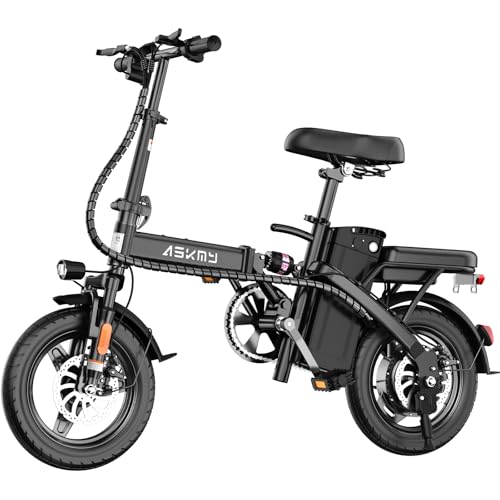
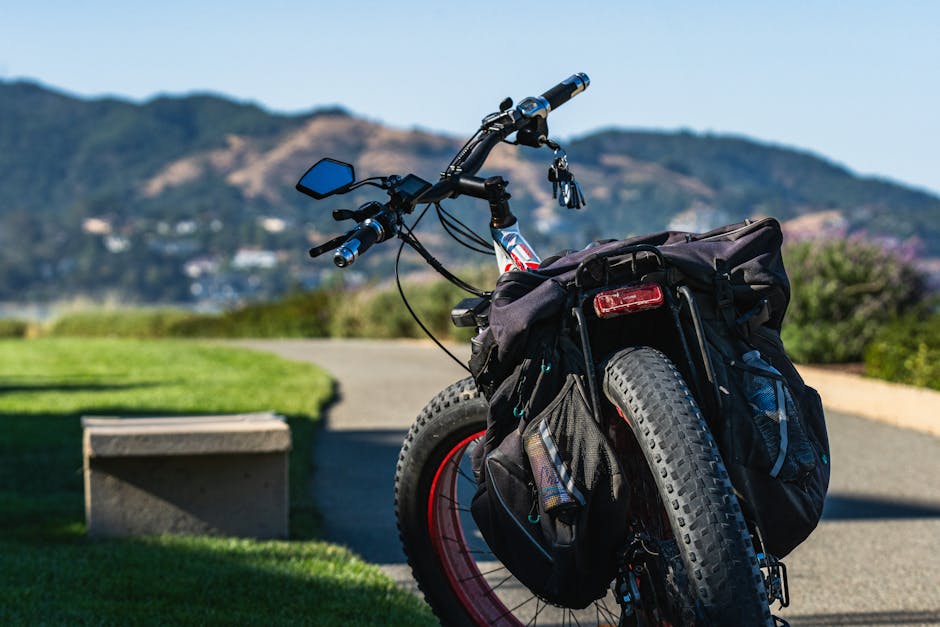
Wider tires—typically 2.3 to 3 inches—provide better grip and shock absorption, especially on gravel, potholes, or wet pavement. Fat-tire e-bikes like the Ancheer Folding Electric Bike excel in off-road or slippery conditions, offering confidence in diverse environments.
Choosing the Right E-Bike for New Cyclists
With so many options available, selecting the right electric bicycle can feel overwhelming. Here’s a practical guide to help you make an informed decision.
Key Features to Prioritize
- Pedal Assist Levels: Look for at least three levels (Eco, Normal, High) to match your effort to the terrain.
- Battery Range: Choose a model with a minimum 40-mile range for daily commuting.
- Motor Power: 250W–750W is standard; higher wattage helps with hills and heavier loads.
- Frame Style: Step-through frames are easier for beginners to mount and dismount.
- Safety Features: Integrated lights, reflectors, and anti-theft systems are essential.
- Weight: E-bikes typically weigh 40–70 lbs; consider portability if you need to carry it upstairs.
Top Models for New Cyclists
| Model | Motor | Range | Key Security Feature | Best For |
|---|---|---|---|---|
| Rad Power Bikes RadCity 5 Plus | 750W Hub | 65 miles | Integrated lights, alarm system | Commuting, hills |
| Trek Allant+ 7 | Bosch Performance Line | 80 miles | GPS tracking (via app)</n | Long-distance, comfort |
| Priority Continuum Onyx | 500W Mid-Drive | 70 miles | Automatic lighting, belt drive (low maintenance) | Urban riding, reliability |
Budget Considerations
E-bikes range from $1,000 to $5,000+. Entry-level models like the Ancheer 26″ Electric Bike ($899) offer basic functionality but may lack advanced safety or durability. Mid-range options ($1,500–$3,000), such as the RadCity or Priority Onyx, strike a balance between performance, features, and value.
High-end models include premium components, longer warranties, and better customer support. While more expensive, they often last longer and perform better in challenging conditions. Consider your usage: if you plan to ride daily, investing in a reliable model pays off over time.
Tips for Safe and Confident Riding
Even with the best e-bike, safe habits are essential—especially for new riders.
- Start Slow: Begin with short rides on quiet streets to build confidence.
- Learn the Controls: Practice using pedal assist, brakes, and lights before hitting busy roads.
- Wear Protective Gear: A helmet is non-negotiable. Consider gloves and padded shorts for longer rides.
- Follow Traffic Rules: Ride with traffic, use hand signals, and obey stop signs and lights.
- Maintain Your Bike: Check tire pressure, brakes, and battery regularly. Keep the chain lubricated.
- Use Bike Lanes: Whenever possible, ride in designated bike lanes or paths.
- Be Predictable: Signal turns, avoid sudden movements, and make eye contact with drivers.
Common Misconceptions About E-Bikes
Despite their growing popularity, several myths persist about electric bicycles.
“E-Bikes Are Just for Lazy People”
Reality: E-bikes encourage more people to ride by removing physical barriers. Many users report increased fitness because they ride more frequently and for longer durations. The motor assists, but you’re still pedaling—just with less strain.
“They’re Too Expensive to Maintain”
Reality: While the upfront cost is higher, e-bikes have fewer moving parts than cars and require minimal maintenance. Belt drives (on some models) eliminate chain lubrication, and regenerative systems reduce brake wear.
“They’re Not Allowed on Bike Paths”
Reality: In most U.S. states and countries, Class 1 and Class 2 e-bikes (pedal-assist up to 20 mph) are permitted on bike paths. Always check local regulations, as rules vary by location.
Final Thoughts: E-Bikes as a Gateway to Confident Cycling
Electric bicycles that make hills, traffic, and distance easier to manage with a focus on security for new cyclists are more than just a trend—they’re a practical solution for modern transportation challenges. By reducing physical effort, enhancing safety, and offering reliable performance, e-bikes empower beginners to explore cycling without fear or fatigue.
Whether you’re commuting to work, running errands, or enjoying weekend rides, the right e-bike can transform your experience. With thoughtful selection, proper safety habits, and regular maintenance, new cyclists can enjoy the freedom, health benefits, and environmental advantages of electric biking for years to come.
FAQ
Are electric bicycles safe for beginners?
Yes, especially models designed with stability, intuitive controls, and safety features like lights and alarms. Starting on quiet routes and wearing protective gear further enhances safety.
How far can I ride on a single charge?
Most e-bikes offer 40–100 miles per charge, depending on assist level, terrain, and rider weight. Using lower assist modes on flat ground maximizes range.
Can I ride an e-bike in the rain?
Yes, most e-bikes are water-resistant and safe for light to moderate rain. Avoid submerging the battery or motor, and dry the bike after wet rides to prevent corrosion.
