Best Bicycles for Daily Riding, Weekend Fitness, and City Travel with a Focus on Range for New Cyclists Leave a comment
Best Bicycles for Daily Riding, Weekend Fitness, and City Travel with a Focus on Range for New Cyclists
If you’re a new cyclist looking for a reliable bike that handles daily commutes, weekend workouts, and city exploration—all while offering a comfortable range—you’re in the right place. The best bicycles for daily riding, weekend fitness, and city travel balance comfort, efficiency, and practicality. For beginners, this means prioritizing ease of use, upright positioning, and gear systems that support longer rides without fatigue. This guide breaks down top options, key features to consider, and how to choose the right model based on your routine and physical needs.

What Makes a Great Bike for New Cyclists?
New cyclists often overlook subtle but critical design elements that affect ride quality and endurance. A good entry-level bike should offer a relaxed geometry, allowing you to sit upright and maintain visibility in traffic. Frame materials like aluminum keep weight manageable, while wider tires (32mm to 40mm) improve stability on uneven pavement. Gearing is equally important: look for a wide range of gears to help you climb hills and maintain speed on flat roads without overexertion.
Braking systems matter too. Mechanical disc brakes offer reliable stopping power in wet conditions, while rim brakes are lighter and easier to maintain. For city travel, integrated features like fender mounts, rack compatibility, and puncture-resistant tires add long-term value.
Top Bike Types for Daily Use and Fitness
Hybrid Bikes: The All-Rounder
Hybrid bikes are the most popular choice for new riders because they combine the best traits of road and mountain bikes. They feature flat handlebars for control, medium-width tires for smooth pavement and light trails, and a gear range suitable for varied terrain. Models like the Trek FX 3 and Giant Escape 2 include mounts for racks and fenders, making them ideal for carrying work bags or groceries.
For fitness-focused riders, hybrids with slightly more aggressive positioning—like the Specialized Sirrus X 3.0—offer a balance between comfort and speed. These bikes typically come with 8 to 9 speeds, enough to handle moderate hills and maintain 12–15 mph on flat ground over several miles.
City and Urban Commuter Bikes
Designed specifically for city travel, commuter bikes prioritize durability and practicality. They often include built-in lights, chain guards, and internal hub gears that require less maintenance. The Priority Continuum Onyx is a standout for its belt drive and 8-speed internal hub, eliminating the need for chain lubrication and reducing wear. It’s excellent for riders who want a clean, low-maintenance option for daily 5–10 mile trips.
Another strong contender is the Rad Power Bikes RadCity 5 Plus, an electric-assist model that extends your range significantly. With pedal-assist up to 20 mph and a 45–70 mile range, it’s perfect for new cyclists who want to cover longer distances without arriving sweaty at work.
Fitness and Light Road Bikes
If weekend fitness is a priority, consider a light road or fitness bike with drop handlebars. These bikes are faster and more efficient over distance but require a bit more comfort adaptation. The Cannondale Quick 6 offers a semi-upright position with drop bars, making it a great bridge between hybrids and full road bikes. It’s well-suited for 10–20 mile weekend rides on paved paths and light hills.
For riders aiming to build endurance, bikes with carbon forks (like the Fuji Absolute 1.9) reduce road vibration, improving comfort on longer outings. These models typically start around $600 and offer 16 to 18 speeds, giving you flexibility for varied terrain.
Understanding Range: How Far Can You Go?
Range refers to how far you can comfortably ride on a single outing without excessive fatigue. For new cyclists, this is influenced by fitness level, bike efficiency, terrain, and gear selection. Most beginners can comfortably ride 5–10 miles on a well-fitted hybrid or city bike. With consistent use, this range typically increases to 15–20 miles within a few months.
To maximize range, focus on proper bike fit and gear usage. A saddle that’s too low or high causes knee strain; handlebars that are too far forward increase back fatigue. Use lower gears on inclines to maintain a steady cadence (70–90 RPM), which reduces leg fatigue and improves endurance.
Hydration and nutrition also play a role. Even on short city rides, carry water—especially in warm weather. For rides over 10 miles, consider energy gels or snacks to maintain blood sugar levels.
Key Features to Look for in a New Cyclist’s Bike
Not all bikes are created equal, even within the same category. Here’s what to prioritize:
- Frame Fit: Stand over the bike—there should be 1–2 inches of clearance for road bikes, 3–4 inches for hybrids. Test ride to ensure no lower back or wrist pain.
- Gearing Range: Look for a wide-range cassette (e.g., 11–34T) paired with a compact crankset (50/34T). This gives you low gears for hills and high gears for speed.
- Tire Width: 32mm–38mm tires offer a sweet spot between speed and comfort. Wider tires (up to 42mm) are better for rough roads or light gravel.
- Brakes: Disc brakes (mechanical or hydraulic) outperform rim brakes in wet conditions. For city riding, they’re worth the extra cost.
- Accessory Compatibility: Racks, fenders, and bottle cages make daily use more practical. Ensure the frame has mounting points.
Electric Bikes: Extending Range for Beginners
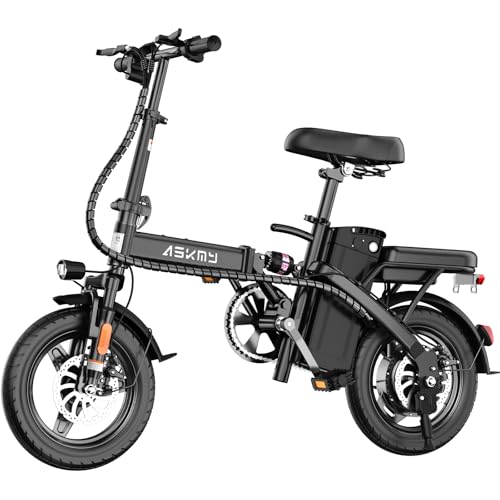
E-bikes are increasingly popular among new cyclists who want to cover longer distances or tackle hilly routes without excessive effort. With pedal-assist technology, riders can travel 15–25 miles per charge on a standard model, and up to 70 miles on high-capacity batteries. The RadCity 5 Plus and Trek Verve+ 2 are excellent examples, offering smooth power delivery and user-friendly displays.
E-bikes are particularly helpful for commuting. You can choose lower assist levels for exercise or higher levels to arrive at work fresh. Most models allow you to ride without assist, so you’re not dependent on the battery. Just remember: e-bikes are heavier (40–60 lbs), so lifting or storing them requires more effort.
Budget Considerations and Value
New cyclists often ask how much to spend. A quality hybrid or city bike starts around $500, with reliable models available from reputable brands like Trek, Giant, and Specialized. At this price, you’ll get a lightweight aluminum frame, decent components, and basic accessories. For $800–$1,200, you gain better gears, disc brakes, and improved comfort features.
Avoid ultra-cheap bikes from big-box stores—they often have heavy frames, poor gear systems, and uncomfortable saddles that discourage regular use. Investing in a well-built bike from a local shop ensures proper assembly and ongoing support.
Maintenance Tips to Keep You Riding
Regular maintenance extends your bike’s life and keeps your rides smooth. Here’s a simple routine:
- Check tire pressure weekly: Under-inflated tires increase rolling resistance and risk flats. Most tires list optimal PSI on the sidewall.
- Lubricate the chain every 100–200 miles: Use a bike-specific lubricant and wipe off excess to prevent grime buildup.
- Inspect brakes monthly: Ensure pads aren’t worn and cables move freely. Replace pads if they’re less than 1mm thick.
- Get a professional tune-up annually: A shop can adjust gears, true wheels, and check bearings—critical for long-term performance.
Safety and Comfort for Daily Riders
Safety should be a top priority, especially in city environments. Always wear a helmet—even on short trips. Use front and rear lights, even during the day, to increase visibility. Reflective clothing or vests help in low-light conditions.
For comfort, consider padded gloves to reduce hand numbness and a suspension seatpost if riding on rough pavement. Panniers or a backpack with a waist strap distribute weight better than a standard backpack, reducing shoulder strain on longer rides.
Final Recommendations by Use Case
To simplify your decision, here’s a quick guide based on your primary use:
| Primary Use | Recommended Bike Type | Example Models | Typical Range |
|---|---|---|---|
| Daily Commuting (3–8 miles) | City or Hybrid | Priority Continuum Onyx, Trek FX 3 | 5–15 miles |
| Weekend Fitness Rides | Fitness or Light Road | Cannondale Quick 6, Fuji Absolute 1.9 | 10–25 miles |
| City Travel with Loads | Commuter with Rack/Fenders | Giant Escape 2, RadCity 5 Plus | 5–20 miles (more with e-assist) |
| Hilly Areas or Longer Distances | E-Bike or Wide-Gear Hybrid | Trek Verve+ 2, Specialized Sirrus X 3.0 | 15–70 miles |
Conclusion: Finding Your Ideal Ride
Choosing the best bicycles for daily riding, weekend fitness, and city travel comes down to matching your lifestyle with the right features. New cyclists benefit most from bikes that are comfortable, easy to control, and equipped for real-world conditions. Whether you opt for a versatile hybrid, a practical city bike, or an e-bike for extended range, prioritize fit, gear range, and durability. Start with a test ride at a local shop, and don’t hesitate to ask about return policies or tune-up packages. With the right bike, cycling becomes a sustainable, enjoyable part of your routine—not just a weekend hobby.
FAQ
How far can a new cyclist realistically ride?
Most beginners can comfortably ride 5–10 miles on a well-fitted bike. With regular use, this increases to 15–20 miles within a few months. Terrain, fitness level, and bike efficiency all influence range.
Should I buy an e-bike as a beginner?
E-bikes are excellent for extending range and reducing effort, especially in hilly areas or for longer commutes. They’re a smart choice if you want to arrive at work without sweating or cover distances beyond your current fitness level.
What’s the minimum budget for a reliable bike?
A good entry-level bike starts around $500. Avoid department store bikes under $300—they often have poor components and uncomfortable designs that discourage use.
