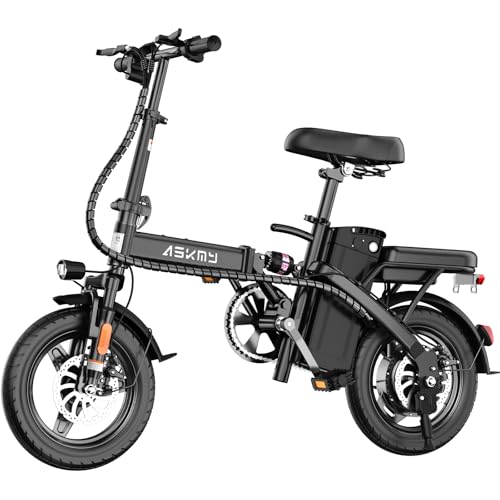


Electric Bicycle Advice That Makes Daily Riding Easier and More Efficient with a Focus on Storage for New Cyclists Leave a comment
Electric Bicycle Advice That Makes Daily Riding Easier and More Efficient with a Focus on Storage for New Cyclists
Starting your journey with an electric bicycle can be exciting, but without the right setup, daily riding can quickly become frustrating. The key to a smooth, efficient experience lies in smart preparation—especially when it comes to storage. Whether you’re commuting to work, running errands, or enjoying weekend rides, having reliable and accessible storage makes all the difference. This guide offers practical electric bicycle advice that makes daily riding easier and more efficient, with a strong focus on storage solutions tailored for new cyclists. From choosing the right accessories to organizing gear for maximum convenience, these tips will help you ride confidently and comfortably from day one.

Why Storage Matters for New Electric Bicycle Riders
Many new riders underestimate how much they’ll carry on a typical ride. A water bottle, phone, keys, wallet, and even a light jacket can add up quickly. Without proper storage, you risk juggling items while riding, which is unsafe and distracting. Worse, loose items can fall out, get damaged, or slow you down when you need to stop and retrieve them.
Effective storage isn’t just about convenience—it’s about safety and efficiency. A well-organized e-bike allows you to focus on the road, maintain balance, and respond quickly to traffic. It also protects your belongings from weather, theft, and wear. For new cyclists, developing good storage habits early sets the foundation for a sustainable, enjoyable riding routine.
Choosing the Right Storage Accessories for Your E-Bike
Not all storage solutions are created equal. The best choice depends on your bike’s design, your typical load, and where you ride. Here are the most practical options for new riders:
1. Handlebar Bags
Handlebar bags are ideal for quick-access items like phones, snacks, or transit cards. They’re lightweight and usually attach with straps or clips. Look for models with waterproof zippers and secure closures. Avoid overloading them—excess weight can affect steering, especially on e-bikes with front hub motors.
2. Frame Bags
Frame bags fit snugly in the triangle formed by your top tube, down tube, and seat tube. They’re great for stashing tools, chargers, or spare batteries. Their low center of gravity improves stability. Choose a model that doesn’t interfere with your legs while pedaling.
3. Rear Racks and Panniers
Rear racks mount above the back wheel and support pannier bags. This setup is excellent for carrying heavier loads like groceries, work gear, or a change of clothes. Panniers keep weight low and centered, which helps maintain balance. Waterproof panniers with reflective strips add safety in wet or low-light conditions.
4. Seatpost-Mounted Bags
These compact bags attach under the saddle and are perfect for small essentials: tire levers, a mini pump, or a phone. They’re unobtrusive and don’t affect handling. However, they have limited capacity, so use them for tools, not daily cargo.
5. Basket Options
Front or rear baskets offer open storage for larger items. Wire baskets are durable and affordable, while woven or plastic ones are lighter and more weather-resistant. Secure loose items with bungee cords or netting to prevent shifting or falling out.
Matching Storage to Your Riding Style
Your ideal storage setup depends on how and where you ride. Consider these common scenarios:
- Commuting: Use a rear rack with a waterproof pannier for a laptop, lunch, and change of clothes. Add a small handlebar bag for your phone and transit pass.
- Errands: A front basket or rear panniers work well for carrying groceries. Look for bags with insulated compartments to keep food fresh.
- Recreational Rides: A frame bag for a water bottle, energy bars, and a first-aid kit is usually sufficient. Add a seatpost bag for tools.
- Long-Distance Travel: Combine a rear rack with multiple panniers and a frame bag. Include a hydration system or extra battery if your route lacks charging points.
New riders often start with one or two accessories and expand as needed. Begin with a rear rack and a basic pannier—they offer the most versatility for daily use.
Installation Tips for Secure and Safe Storage
Even the best storage gear can fail if installed incorrectly. Follow these steps to ensure a secure setup:
- Check Compatibility: Confirm that your e-bike has mounting points for racks or bags. Some models, especially compact or folding e-bikes, may require adapters.
- Use Proper Tools: Tighten bolts with the correct Allen key or wrench. Over-tightening can strip threads; under-tightening leads to wobbling.
- Balance the Load: Distribute weight evenly. Avoid placing heavy items in the front basket, which can make steering sluggish.
- Test Before Riding: Shake the bike gently to check for loose parts. Take a short test ride to ensure bags don’t rub against wheels or interfere with brakes.
- Secure Loose Items: Use internal organizers or packing cubes to prevent shifting. Zippered compartments are safer than open pockets.
Warning: Never exceed your e-bike’s weight limit. Most models support 220–300 lbs total, including rider and cargo. Overloading strains the motor, reduces battery life, and compromises safety.
Weatherproofing and Security Considerations
Rain, snow, and sun can damage both your gear and your e-bike’s electronics. Protect your investment with these strategies:
- Use Waterproof Bags: Look for IPX6 or higher ratings. Sealed seams and roll-top closures offer the best protection.
- Cover the Battery: If your battery is externally mounted, use a protective cover during wet rides. Avoid submerging it in water.
- Lock Your Bags: Use cable locks to secure panniers or baskets when parked. Quick-release mechanisms are convenient but vulnerable to theft.
- Remove Valuables: Don’t leave electronics, wallets, or keys in bags overnight. Take them with you or store them in a hidden compartment.
For urban riders, consider a U-lock for the frame and a secondary cable for wheels and bags. Always park in well-lit, high-traffic areas when possible.
Maintaining Your Storage System
Regular maintenance ensures your storage accessories last and perform well. Follow this simple routine:
- Clean Monthly: Wipe down bags and racks with a damp cloth. Remove dirt and grime that can degrade materials over time.
- Inspect Straps and Zippers: Check for fraying, rust, or broken teeth. Replace worn parts before they fail.
- Lubricate Moving Parts: Apply a light grease to rack bolts and latch mechanisms to prevent corrosion.
- Store Indoors: When not in use, keep bags and accessories in a dry place. Prolonged UV exposure weakens fabrics and plastics.
Taking 10 minutes each month to maintain your gear can prevent costly replacements and keep your rides smooth.
Battery and Charging Storage Tips
Your e-bike’s battery is one of its most valuable components—and it needs proper storage too. Whether you’re carrying a spare or storing your main battery at home, follow these guidelines:
- Charge in a Cool, Dry Place: Avoid charging in direct sunlight or near heat sources. Ideal temperature range is 50–77°F (10–25°C).
- Don’t Store Fully Charged or Fully Drained: For long-term storage, keep the battery at 50–60% charge. This extends its lifespan.
- Use Original or Compatible Chargers: Cheap alternatives can overheat or deliver inconsistent power, damaging the battery.
- Carry Spares Safely: If you bring an extra battery, store it in a padded, insulated bag. Prevent contact with metal objects to avoid short circuits.
Most e-bike batteries last 500–1,000 charge cycles. Proper care can maximize that range and save you hundreds in replacements.
Common Storage Mistakes New Riders Make
Even with the best intentions, beginners often fall into these traps:
- Overpacking: Carrying more than you need slows you down and increases wear. Pack only essentials.
- Ignoring Weight Distribution: Heavy items in the front basket can make the bike front-heavy and hard to control.
- Using Non-Bike-Specific Bags: Backpacks or messenger bags may seem convenient, but they shift while riding and cause discomfort.
- Neglecting Security: Leaving bags unlocked or unattended invites theft, especially in cities.
- Skipping Compatibility Checks: Attaching a rack without proper mounting points can damage the frame or void your warranty.
Avoiding these mistakes early will save time, money, and frustration down the road.
Recommended Storage Products for New Cyclists
While personal preference plays a role, these products are widely trusted by new e-bike riders:
| Product Type | Recommended Use | Example Features |
|---|---|---|
| Rear Rack | Commuting, errands | Aluminum construction, 44 lb capacity, tool-free installation |
| Waterproof Pannier | Daily cargo, weather protection | Roll-top closure, reflective strips, 20L capacity |
| Handlebar Bag | Quick access to phone, snacks | Touchscreen-compatible window, magnetic closure |
| Frame Bag | Tools, spare battery, water | Water-resistant fabric, multiple compartments |
| Seatpost Bag | Repair kit, small items | Velcro straps, 1.5L capacity, reflective trim |
Start with one or two items based on your needs, then expand as you gain experience.
Final Tips for Efficient Daily Riding
Beyond storage, a few habits can make your daily rides smoother:
- Plan Your Route: Use apps to find bike lanes, avoid hills, and locate charging stations if needed.
- Charge Overnight: Keep your battery topped up so you’re ready to go each morning.
- Do a Pre-Ride Check: Tires, brakes, lights, and bag security take just two minutes but prevent major issues.
- Dress Appropriately: Wear bright or reflective clothing, and consider padded gloves for comfort.
- Stay Visible: Use front and rear lights, even during the day, especially in traffic.
With the right electric bicycle advice that makes daily riding easier and more efficient, new cyclists can build confidence and enjoy the full benefits of e-biking—without the hassle.
FAQ
What’s the best storage setup for a beginner e-bike commuter?
A rear rack with a waterproof pannier is ideal for carrying work gear, while a small handlebar bag provides quick access to your phone and keys. This combination balances capacity, safety, and convenience.
Can I install storage accessories myself?
Yes, most racks and bags come with instructions and require only basic tools. If you’re unsure, visit a local bike shop for assistance—especially if your e-bike has unique frame geometry.
How do I prevent theft of my bags and gear?
Use lockable panniers, remove valuables when parked, and secure bags with cable locks. Always park in visible, well-lit areas and consider using a GPS tracker for high-value items.
By focusing on smart storage from the start, new electric bicycle riders can enjoy safer, more efficient, and stress-free daily rides. The right setup turns your e-bike into a reliable partner for work, play, and everything in between.
