
Electric Bicycle Advice for Safer Commuting, Charging, and Storage Habits with a Focus on Braking for New Cyclists Leave a comment
Electric Bicycle Advice for Safer Commuting, Charging, and Storage Habits with a Focus on Braking for New Cyclists
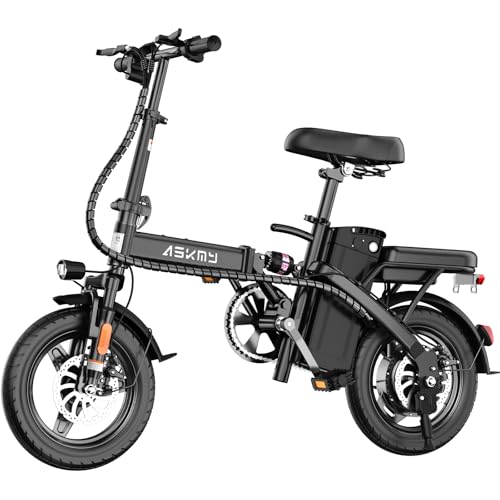
New electric bicycle riders often overlook critical safety habits that can prevent accidents, extend battery life, and ensure reliable performance. Electric bicycle advice for safer commuting, charging, and storage habits with a focus on braking for new cyclists starts with understanding how e-bikes differ from traditional bicycles—especially in speed, weight, and stopping power. Whether you’re riding to work, running errands, or exploring city streets, adopting the right practices from day one reduces risk and enhances your overall experience. This guide covers essential tips for safe riding, proper battery care, secure storage, and—most importantly—effective braking techniques tailored to new e-bike users.
Why Braking Matters More on an E-Bike
E-bikes are heavier and faster than standard bicycles, which means they require more distance and force to stop safely. Most models assist up to 20 or 28 mph (32–45 km/h), and their added motor and battery weight increases momentum. Relying solely on rear brakes or braking too late can lead to skidding, loss of control, or collisions—especially in wet or uneven conditions.
New riders should practice controlled braking in a safe, open area before hitting busy streets. Start at low speeds and gradually increase, focusing on smooth, progressive pressure rather than sudden grabs. This builds muscle memory and helps you react instinctively during real-world scenarios.
Understanding Your Brake System
Most modern e-bikes use either mechanical disc brakes, hydraulic disc brakes, or rim brakes. Disc brakes—especially hydraulic ones—offer superior stopping power and perform better in rain or mud. Rim brakes, while lighter, wear down faster and lose effectiveness when wet.
Check your brake type in the owner’s manual or on the brake caliper. If you’re unsure, visit a local bike shop for identification and a safety check. Regardless of type, all brakes require regular maintenance: inspect pads for wear, ensure rotors are clean and undamaged, and test lever feel monthly.
Proper Braking Technique for New Riders
Effective braking on an e-bike involves coordination between both brakes and body positioning:
- Use both brakes together: Apply the front brake with about 70% of your stopping force and the rear with 30%. The front brake provides most stopping power, but overuse can cause a front-wheel skid or flip.
- Lean back slightly: As you brake, shift your weight toward the rear wheel to maintain balance and prevent pitching forward.
- Brake before turns: Slow down before entering a corner, not during it. Braking mid-turn reduces tire grip and increases the risk of sliding.
- Avoid sudden stops: Unless in an emergency, ease into stops. This protects your brakes, tires, and spine—and gives traffic behind you time to react.
For example, when approaching a red light, begin braking 20–30 feet early. On a downhill slope, use intermittent braking (pumping) to avoid overheating the rotors, which can cause brake fade.
Safe Commuting Habits for E-Bike Riders
Commuting by e-bike is efficient and eco-friendly, but urban environments present unique hazards: car doors, pedestrians, potholes, and unpredictable traffic. Safe habits begin before you even mount the bike.
Pre-Ride Safety Checklist
Spend two minutes each morning ensuring your e-bike is road-ready:
- Tire pressure: Check with a gauge. Underinflated tires increase rolling resistance and puncture risk.
- Brake function: Squeeze both levers. They should engage firmly without touching the handlebars.
- Light operation: Test front and rear lights, especially if riding at dawn, dusk, or night.
- Battery level: Ensure at least 50% charge for your route. A dead battery turns your e-bike into a heavy, manual bike.
- Quick-release levers: Confirm wheels and seat post are securely fastened.
Navigating Traffic and Intersections
Position yourself visibly in the lane—don’t hug the curb where debris or parked cars create hazards. Use hand signals clearly and early. At intersections, make eye contact with drivers before proceeding. Assume you are invisible until confirmed otherwise.
Avoid riding in drivers’ blind spots, especially near large vehicles. If a truck is turning right, wait behind it rather than passing on the left—they may not see you.
Weather and Surface Awareness
Rain, gravel, and wet leaves drastically reduce tire traction. In wet conditions:
- Reduce speed by 25–30%.
- Increase following distance to at least 3–4 seconds behind vehicles.
- Brake earlier and more gently.
- Avoid painted road markings and metal grates, which become extremely slippery.
In winter, consider studded tires if you ride on ice. Always wear bright, reflective clothing and use front and rear lights—even during the day.
Charging Your E-Bike Battery Safely
Battery safety is often underestimated. Lithium-ion batteries power most e-bikes, and while reliable, they require careful handling to prevent fire, degradation, or failure.
Do’s and Don’ts of Charging
Follow these guidelines to protect your battery and home:
- Use only the manufacturer-supplied charger. Third-party chargers may deliver incorrect voltage or lack safety cutoffs.
- Charge in a cool, dry place. Avoid garages with extreme temperatures or near flammable materials.
- Unplug once fully charged. Most modern chargers stop automatically, but leaving them plugged in unnecessarily increases fire risk over time.
- Don’t charge immediately after a long ride. Let the battery cool for 15–30 minutes. Heat accelerates degradation.
- Avoid charging overnight unattended. If you must, use a smart plug with a timer or charge in a fire-safe area like a metal cabinet.
Optimal Charging Practices
For longevity, keep your battery between 20% and 80% charge for daily use. Full charges (100%) are fine occasionally but stress the cells over time. Similarly, avoid draining below 10% regularly.
If storing your e-bike for weeks or months, charge to 50–60% and check monthly. Store in a climate-controlled environment (ideally 50–70°F or 10–21°C).
Secure and Smart Storage Solutions
Where and how you store your e-bike affects its safety, battery health, and lifespan. Theft, weather, and physical damage are common risks—especially for urban commuters.
Indoor vs. Outdoor Storage
Indoor storage is always preferable. Keep your e-bike in a dry, secure location like a closet, basement, or dedicated bike room. If outdoor storage is unavoidable:
- Use a high-quality U-lock or chain lock through the frame and rear wheel.
- Remove the battery and store it indoors.
- Cover the bike with a breathable, weather-resistant cover to prevent moisture buildup.
- Avoid leaving it in direct sunlight for extended periods—UV exposure degrades paint and components.
For apartment dwellers, consider a vertical bike rack to save space. Always lock the frame, not just the wheel.
Battery Storage Tips
When removing the battery for storage or transport:
- Power it off completely.
- Store in a non-conductive container away from metal objects.
- Never store a damaged or swollen battery—dispose of it properly at a certified e-waste facility.
Swollen batteries are a fire hazard and should be handled with extreme caution. If you notice bulging, unusual heat, or a burning smell, stop using the battery immediately.
Maintenance Essentials for Long-Term Safety
Regular maintenance prevents small issues from becoming dangerous failures. New riders should develop a simple routine.
Monthly Maintenance Routine
- Clean the chain and apply lubricant. A dry or rusty chain increases wear and reduces efficiency.
- Inspect brake pads. Replace if thinner than 1mm or unevenly worn.
- Check tire tread and sidewalls for cuts or bulges.
- Tighten bolts on handlebars, stem, and seat post.
- Test motor engagement and pedal assist levels.
When to Visit a Professional
Some tasks require expert attention. Schedule a professional tune-up every 6–12 months or after 500–1,000 miles. Bring your bike in if you notice:
- Unusual noises from the motor or drivetrain.
- Brake lever feels spongy or requires excessive pull.
- Battery range drops significantly without explanation.
- Wheels wobble or won’t spin freely.
Many bike shops offer free safety inspections for new e-bike owners—take advantage of this service.
Gear and Accessories That Enhance Safety
The right gear makes a measurable difference in visibility, comfort, and protection.
Must-Have Safety Gear
- Helmet: Choose one certified to CPSC, EN 1078, or equivalent standards. Replace after any impact.
- Front and rear lights: Use steady and flashing modes. At minimum, 200 lumens front, 50 lumens rear.
- Reflective clothing or vest: Especially important for low-light commuting.
- Mirror: A handlebar or helmet-mounted mirror improves awareness without turning your head.
- Bell or horn: Required in many cities. Use to alert pedestrians and other cyclists.
Consider adding puncture-resistant tires and a basic repair kit (spare tube, tire levers, mini pump) for longer commutes.
Common Mistakes New E-Bike Riders Make
Awareness of frequent errors helps you avoid them:
- Overestimating battery range: Always plan for 20–30% less range than advertised, especially in cold weather or hilly terrain.
- Ignoring local e-bike laws: Some areas restrict speed, require helmets, or prohibit e-bikes on certain paths. Check city regulations.
- Riding in high assist mode constantly: This drains the battery quickly and reduces control. Use lower levels in traffic or tight spaces.
- Neglecting to register or insure: In some regions, high-powered e-bikes require registration. Insurance can cover theft or damage.
Final Tips for Confident, Safe Riding
Confidence grows with experience, but preparation accelerates the process. Start with short, familiar routes. Practice emergency stops and quick maneuvers in a parking lot. Ride defensively—anticipate others’ actions rather than assuming they’ll see you.
Remember, electric bicycle advice for safer commuting, charging, and storage habits with a focus on braking for new cyclists isn’t about restriction—it’s about empowerment. When you ride with knowledge and care, you gain freedom, fitness, and reliability.
FAQ
How often should I charge my e-bike battery?
Charge your battery after most rides, but avoid keeping it at 100% for long periods. For daily use, charge when it drops below 30% and unplug once it reaches 80–90%. This extends battery life.
Can I leave my e-bike outside in the rain?
E-bikes are water-resistant, not waterproof. Short exposure to rain is usually fine, but prolonged moisture can damage electronics. Always dry the bike after wet rides and store it undercover when possible.
What should I do if my brakes feel weak or noisy?
Weak or noisy brakes may indicate worn pads, contaminated rotors, or air in hydraulic lines. Clean the rotors with isopropyl alcohol first. If the problem persists, visit a bike shop for inspection and service.
