
Road Cycling Tips for Riding Faster, Safer, and More Efficiently Leave a comment
Road Cycling Tips for Riding Faster, Safer, and More Efficiently
If you’re new to road cycling, learning how to ride faster, safer, and more efficiently starts with mastering the fundamentals of bike handling. These road cycling tips focus on practical techniques—like cornering, braking, and body positioning—that help beginners build confidence and control. With consistent practice, you’ll improve speed, reduce fatigue, and ride with greater awareness on any route.
Master the Basics of Bike Handling
Good bike handling is the foundation of efficient and safe road cycling. It’s not just about pedaling harder—it’s about how you interact with your bike and the road. New cyclists often underestimate the importance of balance, steering precision, and weight distribution. These elements become second nature with practice, but they require focused attention early on.
Proper Body Positioning
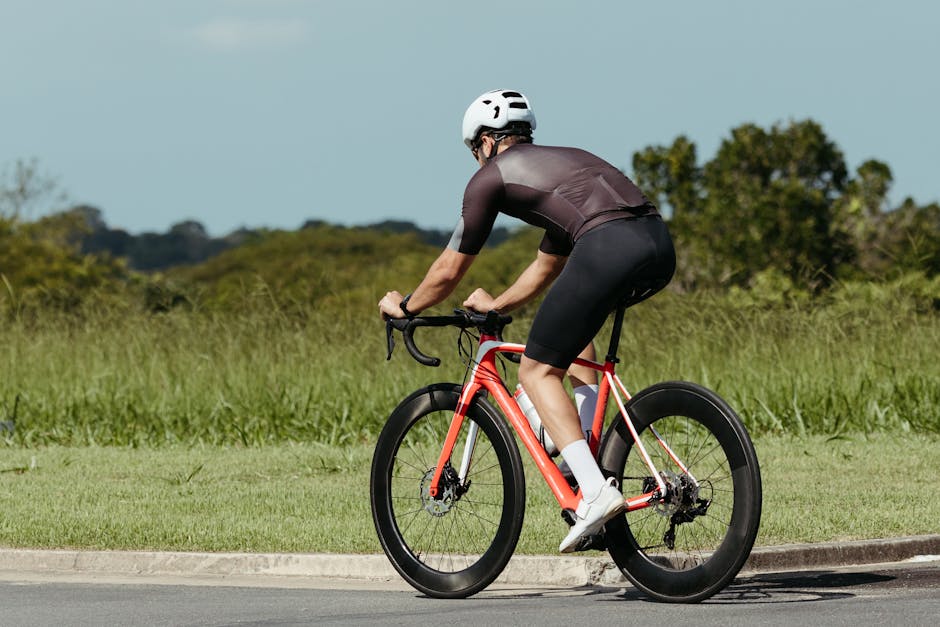
Your body position affects aerodynamics, comfort, and control. Keep your back flat, elbows slightly bent, and shoulders relaxed. Look ahead, not down at your front wheel—your eyes should be scanning 10 to 15 feet in front of you. This helps you anticipate changes in the road and react faster.
When climbing, shift your weight forward to keep the front wheel grounded. On descents, slide back slightly and lower your center of gravity by bending your elbows and knees. This improves stability and prepares you for unexpected obstacles.
Steering and Balance
Road bikes are designed for responsiveness, which means small steering inputs can have big effects. Avoid overcorrecting. Instead, make smooth, deliberate movements. Practice riding in a straight line at low speeds to build balance. Try the “no-hands” drill (only when safe and legal) to improve core engagement and bike control.
Use both hands on the handlebars at all times when riding in traffic or on uneven surfaces. The drops offer better control at speed, while the hoods provide a balanced position for most riding conditions.
Braking Techniques for Safety and Speed
Effective braking is critical for safety, especially when descending or navigating traffic. Most road bikes have dual-pivot caliper brakes or disc brakes, each requiring different pressure and timing.
Use Both Brakes—But Not Equally
The front brake provides about 70% of your stopping power, but it can also cause you to go over the handlebars if applied too abruptly. Always brake with both levers, but ease into the front brake gradually. The rear brake helps stabilize the bike and is useful for fine-tuning speed on flat terrain or gentle slopes.
On wet roads or loose surfaces, brake earlier and more gently. Sudden braking can lead to skidding or loss of traction.
Brake Before the Corner, Not During
One of the most common mistakes new cyclists make is braking while turning. This reduces tire grip and increases the risk of sliding. Instead, slow down before entering a corner, then maintain a steady speed through the turn. Accelerate gently as you exit.
Example: Approaching a right-hand bend on a downhill, begin braking 30–50 feet before the turn. Shift your weight back, look through the corner, and lean the bike—not your body—into the turn.
Cornering with Confidence
Cornering is where many new riders lose confidence. But with the right technique, you can take turns smoothly and efficiently.
Look Where You Want to Go
Your bike follows your eyes. Pick your line through the corner—usually a wide entry, tight apex, and wide exit—and keep your gaze fixed on the exit point. This helps your body and bike align naturally.
Lean the Bike, Not Your Body
To corner effectively, lean the bike while keeping your body more upright. This keeps your center of gravity lower and improves tire contact with the road. Avoid “hanging off” the bike like a racer—this is unnecessary for most recreational riding.
Choose the Right Line
Avoid painted road markings, manhole covers, and gravel in corners—these reduce traction. Aim for the smoothest part of the lane. In wet conditions, reduce speed and increase your following distance.
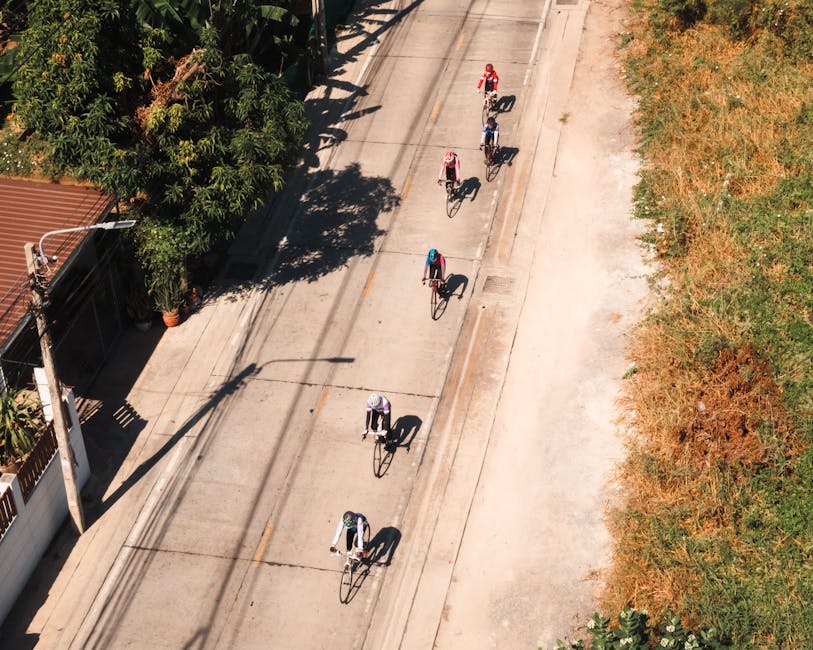
Riding in a Group: Etiquette and Safety
Group rides are a great way to improve speed and learn from experienced cyclists. But they require awareness and communication.
Maintain a Steady Line and Speed
When riding in a paceline or group, hold your position. Avoid sudden accelerations or swerves. Other riders are relying on your predictability.
Use Hand Signals and Verbal Cues
Point left or right to indicate turns. Tap your helmet to warn of potholes or debris. Say “car back” or “clear” when vehicles pass. These signals keep everyone safe and informed.
Drafting: Save Energy, Stay Safe
Drafting—riding closely behind another cyclist—can reduce wind resistance by up to 30%. Stay 12–18 inches behind the wheel in front. Never overlap wheels (“wheel suck”), as a minor swerve can cause a crash.
Improving Efficiency Through Pedaling and Gearing
Efficiency means covering more distance with less effort. This comes from smooth pedaling, proper gear selection, and minimizing wasted motion.
Develop a Smooth Pedal Stroke
Instead of mashing down on the pedals, aim for a circular motion. Imagine scraping mud off your shoe at the bottom of the stroke. This engages more muscle groups and reduces fatigue.
Practice one-legged drills at low resistance to improve pedal efficiency. Even 5–10 minutes per leg can make a noticeable difference over time.
Shift Gears Before You Need To
Anticipate changes in terrain. Shift to an easier gear before starting a climb to maintain cadence. On descents, shift up to avoid spinning out. A cadence of 80–100 RPM is ideal for most riders.
Example: Approaching a hill, shift down two or three gears while still on flat ground. This prevents sudden strain on your legs and drivetrain.
Minimize Upper Body Movement
Keep your upper body still. Excessive rocking or bouncing wastes energy and reduces control. Let your legs do the work.
Clothing and Equipment for Better Performance
The right gear enhances comfort, safety, and efficiency.
Wear a Helmet—Always
A properly fitted helmet is non-negotiable. It should sit level on your head, with the front edge about an inch above your eyebrows. Straps should form a “V” under your ears and be snug but not tight.
Choose Padded Shorts and Gloves
Padded cycling shorts reduce saddle soreness on longer rides. Gloves improve grip and protect your hands in a fall. Look for breathable, moisture-wicking fabrics.
Use Lights and Reflective Gear
Even during the day, front and rear lights increase visibility. Use a white front light and red rear light. Reflective strips on clothing or shoes add extra protection.
Check Your Tire Pressure
Underinflated tires increase rolling resistance and risk of pinch flats. Overinflated tires reduce traction and comfort. Check pressure before every ride using a reliable gauge. Most road tires perform best between 80–120 PSI, depending on rider weight and tire width.
Planning Your Rides for Maximum Benefit
Smart planning helps you build endurance and avoid burnout.
Start with Shorter, Flatter Routes
Begin with 10–15 mile rides on low-traffic roads. Gradually increase distance and difficulty as your fitness improves. Use apps like Strava or Komoot to find safe, scenic routes.
Include Intervals and Hills
Once you’re comfortable, add structured workouts. Try 3–5 minute efforts at a higher intensity, followed by equal recovery periods. Hill repeats build strength and climbing efficiency.
Warm Up and Cool Down
Spend 5–10 minutes spinning at an easy pace before pushing hard. After your ride, cool down with light pedaling and stretch your quads, hamstrings, and calves.
Common Mistakes to Avoid
New cyclists often fall into habits that limit progress or increase risk.
- Gripping the handlebars too tightly: This causes hand fatigue and reduces control. Relax your grip and use your core for stability.
- Looking down at the wheel: Keep your eyes up to anticipate hazards and maintain balance.
- Ignoring traffic rules: Obey stop signs, signals, and lane markings. Ride predictably and use hand signals.
- Skipping bike maintenance: Check brakes, tires, and chain regularly. A poorly maintained bike is unsafe and inefficient.
Building Confidence Over Time
Confidence comes from repetition and experience. Start in quiet neighborhoods or bike paths before tackling busy roads. Ride with more experienced cyclists who can offer guidance. Celebrate small wins—like completing your first hill or riding 20 miles without stopping.
Remember, every expert was once a beginner. Focus on progress, not perfection.
Final Thoughts on Road Cycling Tips for Riding Faster, Safer, and More Efficiently
Improving your road cycling skills is a gradual process. By focusing on handling, braking, cornering, and efficiency, you’ll ride faster, safer, and with less effort. These road cycling tips are designed to help new cyclists build a strong foundation. Practice consistently, stay aware, and always prioritize safety. With time, you’ll find yourself covering more ground, enjoying the ride, and feeling confident on any road.
FAQ
How can I improve my cornering as a new cyclist?
Brake before the turn, look through the corner to your exit point, and lean the bike—not your body. Choose a smooth line and avoid painted surfaces or debris.
What’s the best way to brake on a road bike?
Use both brakes, but apply the front brake gradually. The front brake provides most stopping power, but abrupt use can cause a crash. Always brake before corners, not during.
How often should I check my bike before riding?
Do a quick pre-ride check every time: tires (pressure and wear), brakes, chain, and quick-release levers. A full tune-up every 6–12 months is recommended.
Related keywords: Road cycling tips for riding faster, safer, and more efficiently with a focus on handling for new cyclists.
