
Electric Bicycles Explained for Riders: Comparing Features, Range, and Value with a Focus on Handling for New Cyclists Leave a comment
Electric Bicycles Explained for Riders: Comparing Features, Range, and Value with a Focus on Handling for New Cyclists
If you’re new to cycling or considering an upgrade, electric bicycles offer a practical, eco-friendly way to get around. Electric bicycles explained for riders means understanding how motor assistance, battery life, and frame design affect your ride—especially handling, which can make or break the experience for beginners. Unlike traditional bikes, e-bikes provide pedal assist or throttle power, making hills and long distances manageable. But not all e-bikes are created equal. Choosing the right one depends on matching features like motor type, battery capacity, weight, and geometry to your riding style, terrain, and budget.
How Electric Bicycles Work: The Basics Every New Rider Should Know
At their core, electric bicycles are standard bicycles equipped with a battery, motor, and controller. Most modern e-bikes use one of two systems: pedal-assist (Pedelec) or throttle-based. Pedal-assist bikes amplify your pedaling effort through sensors that detect motion and force, while throttle models let you ride without pedaling, similar to a scooter.
The motor is typically located in the hub (front or rear wheel) or centrally in the bottom bracket. Hub motors are simpler and more affordable, ideal for flat terrain. Mid-drive motors, positioned near the pedals, offer better weight distribution and efficiency, especially on hills—making them a strong choice for new riders tackling varied landscapes.
Battery capacity is measured in watt-hours (Wh). A 400Wh battery is common on entry-level models and provides 25–40 miles of range, depending on assist level, terrain, and rider weight. Higher-capacity batteries (500Wh–750Wh) extend range but add weight, which can affect handling. For city commuting or short errands, a 400Wh battery is often sufficient. For longer rides or hilly areas, consider 500Wh or more.
Handling Matters: Why It’s Crucial for New Cyclists
Handling refers to how a bike responds to steering, braking, and weight shifts—especially important for riders still building confidence. E-bikes are generally heavier than regular bikes due to the motor and battery, which can make them feel sluggish or harder to control at low speeds.
Frame geometry plays a major role. Step-through frames lower the top tube, making it easier to mount and dismount—ideal for beginners or riders with limited mobility. Traditional diamond frames offer more rigidity and stability at higher speeds but require lifting a leg over the saddle.
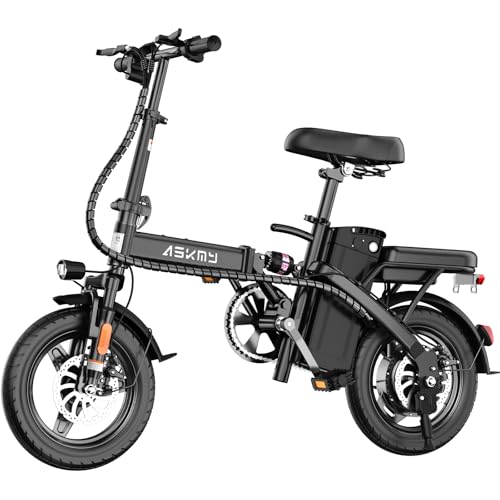
Wheel size also affects handling. Most e-bikes use 26-inch or 27.5-inch wheels, which balance agility and stability. Smaller 20-inch wheels are common on folding e-bikes and offer quick turns but can feel twitchy on uneven surfaces. Larger 29-inch wheels roll over obstacles more easily but may feel cumbersome in tight spaces.
Suspension can improve comfort but adds weight. Front suspension forks absorb bumps on rough roads, while full-suspension models are overkill for city riding and reduce efficiency. For most new riders, a rigid fork or basic front suspension is sufficient.
Comparing Key Features: Motor, Battery, and Build Quality
When comparing electric bicycles, focus on three core components: motor power, battery life, and overall build quality. These determine performance, range, and longevity.
Motor Power and Placement
Motor power is measured in watts (W). In the U.S., e-bikes are limited to 750W for Class 1 and Class 3 models. Higher wattage doesn’t always mean better performance—efficiency and torque matter more. A 500W mid-drive motor often outperforms a 750W hub motor on hills due to better gear integration.
Here’s a quick comparison:
| Motor Type | Pros | Cons | Best For |
|---|---|---|---|
| Hub Motor (Rear) | Simple, affordable, good traction | Heavier rear end, less efficient on hills | Flat terrain, casual riders |
| Hub Motor (Front) | Lighter feel, easier to service | Can reduce steering precision | Budget builds, light commuting |
| Mid-Drive Motor | Balanced weight, efficient, better hill climbing | More expensive, complex maintenance | Hilly areas, performance-focused riders |
Battery Range and Real-World Performance
Manufacturers often quote ideal range figures, but real-world results vary. A 500Wh battery might deliver 30 miles on eco mode on flat ground but drop to 15–20 miles on high assist in hilly areas. Factors like tire pressure, wind, and rider weight also affect range.
For new riders, aim for a bike with at least 30 miles of realistic range. This covers most daily commutes and errands without constant recharging. Removable batteries are a plus—they allow charging indoors and reduce theft risk.
Build Quality and Components
Don’t overlook brakes, gears, and tires. Mechanical disc brakes are standard on most e-bikes and offer reliable stopping power. Hydraulic disc brakes provide better modulation and require less hand force—worth the upgrade if you ride frequently or in wet conditions.
Gear systems range from single-speed to 8-speed drivetrains. Single-speed e-bikes are low-maintenance but limit versatility. A 7- or 8-speed system gives you more control over effort and speed, especially on inclines.
Tires should match your terrain. Wider tires (2.0″ or more) offer better grip and comfort on gravel or rough pavement. Narrower tires (1.75″ or less) reduce rolling resistance on smooth roads but sacrifice stability.
Value for Money: What to Expect at Different Price Points
E-bikes range from under $1,000 to over $5,000. While budget models can be tempting, they often cut corners on motor quality, battery life, and component durability. Here’s a breakdown of what you get at key price tiers:
- Under $1,200: Basic hub motors, non-removable batteries, limited range (15–25 miles), minimal warranty. Best for occasional, short rides on flat ground.
- $1,200–$2,500: Improved motors (often mid-drive), removable batteries, better brakes and gears, 30–50 mile range. Ideal for daily commuting and moderate hills.
- $2,500–$4,000: High-efficiency motors, long-range batteries (500Wh+), premium components, lightweight frames. Suitable for long-distance riding and varied terrain.
- Over $4,000: Top-tier performance, advanced features (regenerative braking, app integration), carbon frames, extended warranties. Best for enthusiasts or those prioritizing longevity.
For new cyclists, the $1,500–$2,500 range offers the best balance of reliability, features, and value. Models like the Rad Power Bikes RadCity or Trek Verve+ 2 provide solid handling, decent range, and user-friendly designs.
Handling Tips for New E-Bike Riders
Even with motor assistance, riding an e-bike requires practice—especially when it comes to handling. Here are essential tips to build confidence:
- Start in low assist mode. Use eco or level 1 to get used to the bike’s weight and responsiveness before increasing power.
- Practice slow-speed maneuvers. Find an empty parking lot and practice turning, stopping, and balancing at walking speed. This helps with navigating tight spaces and crowded areas.
- Lean into turns, don’t steer. E-bikes are heavier, so abrupt steering can cause instability. Shift your body weight gently and let the bike follow.
- Brake early and evenly. Use both brakes together, with slightly more pressure on the front. Avoid slamming the rear brake, which can cause skidding.
- Check tire pressure weekly. Underinflated tires increase rolling resistance and reduce handling precision. Most e-bike tires require 40–65 PSI.
Wearing a helmet is non-negotiable. Even at low speeds, a fall can result in serious injury. Consider additional safety gear like lights, reflective clothing, and a bell for alerting pedestrians.
Common Mistakes to Avoid When Buying an E-Bike
New riders often make avoidable errors that affect satisfaction and safety. Watch out for these pitfalls:
- Ignoring test rides. Never buy an e-bike without riding it first. Handling varies significantly between models—what feels stable to one person may feel unwieldy to another.
- Overestimating range needs. If you only ride 10 miles a day, a 750Wh battery is overkill. Focus on realistic usage, not maximum specs.
- Neglecting maintenance. E-bikes require regular checks: brake pads, chain lubrication, bolt tightness, and battery care. Skipping maintenance shortens lifespan and increases risk.
- Buying based on price alone. A $900 e-bike may seem like a deal, but poor components can lead to frequent repairs. Invest in quality within your budget.
Also, be aware of local laws. In most U.S. states, Class 1 and Class 3 e-bikes (pedal-assist only, up to 20 mph or 28 mph) are allowed on bike paths. Class 2 bikes (with throttle) may be restricted. Check your city’s regulations before purchasing.
Final Thoughts: Choosing the Right E-Bike for You
Electric bicycles explained for riders means recognizing that the best bike isn’t the most powerful or expensive—it’s the one that fits your needs, feels comfortable, and builds your confidence. For new cyclists, prioritize handling, ease of use, and reliable components over flashy features.
Start by defining your primary use: commuting, recreation, or fitness? Then assess your terrain, distance, and budget. Test ride at least two or three models to compare how they feel. Pay attention to how the bike responds at low speeds, how it handles turns, and whether the controls are intuitive.
Remember, an e-bike is a long-term investment. A well-chosen model can serve you for years, reducing car dependency, improving fitness, and making daily travel more enjoyable. With the right balance of features, range, and handling, you’ll wonder how you ever got around without one.
FAQ
How far can I really ride on a single charge?
Most e-bikes deliver 25–50 miles per charge, depending on battery size, assist level, terrain, and rider weight. A 400Wh battery typically provides 25–35 miles in real-world conditions. Use lower assist modes to extend range.
Are electric bicycles hard to ride for beginners?
Not if you choose a model with good handling and start slowly. Step-through frames, balanced weight distribution, and pedal-assist systems make e-bikes easier to manage than many expect. Practice in safe areas to build confidence.
Do I need a license or insurance to ride an e-bike?
In most U.S. states, no license or insurance is required for Class 1, 2, or 3 e-bikes. However, age restrictions and path access rules vary by location. Always check local regulations before riding.
Related keywords: Electric bicycles explained for riders comparing features, range, and value with a focus on handling for new cyclists.
