
Everyday Cycling Tips for Better Endurance, Control, and Pedaling Efficiency with a Focus on Posture for New Cyclists Leave a comment
Everyday Cycling Tips for Better Endurance, Control, and Pedaling Efficiency with a Focus on Posture for New Cyclists
New cyclists often focus on speed or distance, but lasting progress comes from mastering the fundamentals: endurance, control, and pedaling efficiency. One of the most overlooked yet critical elements is posture. Proper body alignment reduces fatigue, prevents injury, and helps you ride longer and smoother. These everyday cycling tips are designed specifically for beginners who want to build a strong foundation. By paying attention to how you sit, pedal, and move on the bike, you’ll gain confidence and performance from your very first rides.
Why Posture Matters More Than You Think
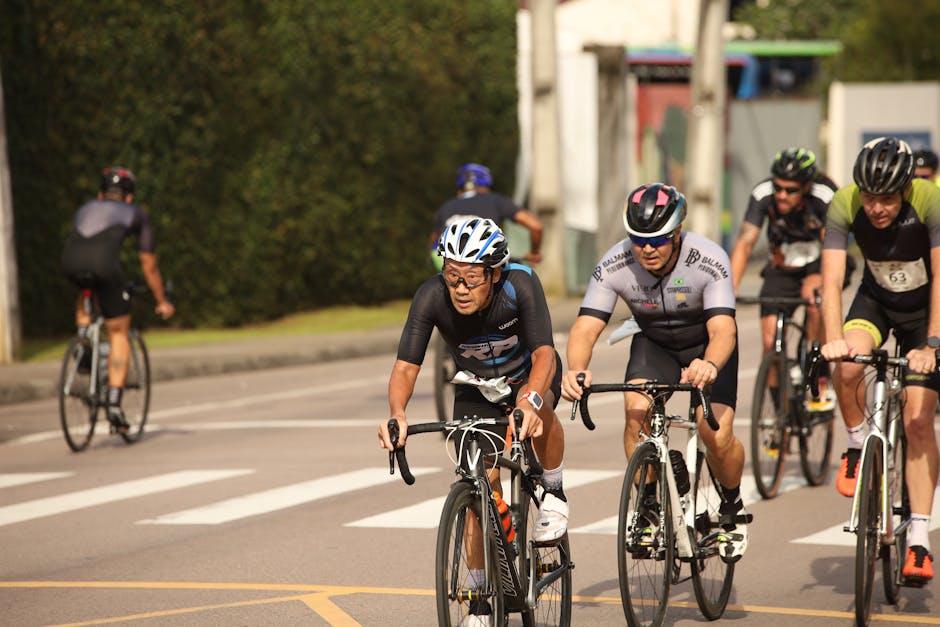
Good posture isn’t just about looking confident on the bike—it directly affects how efficiently your body transfers power to the pedals and how well you handle the bike over varied terrain. Poor posture leads to wasted energy, discomfort, and increased risk of strain, especially in the lower back, neck, and shoulders.
For new cyclists, developing muscle memory for proper alignment takes time. Think of it like learning to type: at first, you focus on finger placement, but eventually it becomes automatic. The same applies to cycling posture. When done correctly, your spine stays neutral, your core engages lightly, and your arms act as shock absorbers rather than rigid supports.
A simple test: if you feel pain in your wrists or lower back after a short ride, your posture likely needs adjustment. Similarly, if your shoulders are hunched near your ears, you’re creating unnecessary tension that drains energy.
Key Elements of Proper Cycling Posture
Getting your posture right involves attention to several interconnected components. Here’s what to focus on:
- Spine alignment: Keep your back straight but not stiff. Imagine a line running from your tailbone through your spine to the top of your head. Avoid arching your lower back excessively or rounding your upper back.
- Core engagement: Gently activate your abdominal muscles to support your torso. This doesn’t mean clenching—just enough to stabilize your upper body without restricting breathing.
- Shoulder position: Relax your shoulders down and back. They should be level, not shrugged or collapsed forward.
- Arm bend: Keep a slight bend in your elbows—about 20 to 30 degrees. This allows your arms to absorb road vibrations and maintain control without locking out.
- Head and neck: Look forward, not down at the front wheel. Your neck should feel neutral, as if you’re holding a tennis ball between your chin and chest.
- Hip angle: Your hips should remain level and stable. Rocking side to side indicates a saddle that’s too low or too high, or poor core engagement.
Many new riders make the mistake of gripping the handlebars too tightly or leaning too far forward, mimicking professional racers. But aggressive positions are meant for aerodynamics at high speeds—not comfort or efficiency for everyday riding.
Improving Pedaling Efficiency Through Smooth Technique
Efficient pedaling isn’t about how hard you push—it’s about how smoothly you rotate. A common beginner mistake is mashing the pedals in high gears, which leads to rapid fatigue and inconsistent power output. Instead, aim for a smooth, circular motion.
Imagine drawing circles with your feet as you pedal. Focus on applying pressure throughout the entire rotation: down on the power phase, slightly back at the bottom, up through the recovery, and forward at the top. This technique, often called “pedal stroke optimization,” distributes effort more evenly and reduces strain on your knees.
Using lower gears with a higher cadence (around 70–90 revolutions per minute) is more sustainable than grinding in high gears. For example, on a gentle hill, shift down early and maintain a steady rhythm rather than standing and stomping. This conserves energy and improves endurance over time.
Drill: The One-Leg Pedal Exercise
To build awareness of your pedal stroke, try this simple drill:
- Find a safe, flat area with minimal traffic.
- Unclip one foot and rest it on a curb or stand.
- Pedal with the other leg for 10–15 rotations, focusing on smooth, even pressure.
- Switch legs and repeat.
- Do 3 sets per leg, 2–3 times per week.
This exercise highlights imbalances and helps you feel where power is lost during the pedal cycle. Most riders discover they’re strongest on the downstroke and weak on the upstroke—this drill trains the neglected phases.
Building Endurance Without Overdoing It
Endurance develops gradually. New cyclists often make the mistake of pushing too hard too soon, leading to burnout or injury. The key is consistency over intensity.
Start with short, manageable rides—20 to 30 minutes—2 to 3 times per week. Focus on maintaining good posture and a steady cadence rather than speed. As your body adapts, slowly increase duration by 10% each week. For instance, if you ride 30 minutes this week, aim for 33 minutes next week.
Include variety in your routine: flat routes for building aerobic base, gentle hills for strength, and short intervals (e.g., 1 minute of slightly harder effort followed by 2 minutes of easy spinning) to boost cardiovascular fitness.
Hydration and nutrition also play a role. Even on short rides, drink water before and after. For rides over 45 minutes, consider a small snack like a banana or energy bar to maintain blood sugar levels.
Enhancing Control Through Bike Fit and Awareness
Control starts with a properly fitted bike. A bike that’s too big, too small, or poorly adjusted makes balanced riding difficult and increases the risk of accidents.
Key fit adjustments for new cyclists include:
| Component | Recommended Adjustment |
|---|---|
| Saddle height | When the pedal is at the bottom, your leg should have a slight bend (about 25–30 degrees). |
| Saddle position | Your knee should align vertically with the pedal spindle when the crank is horizontal. |
| Handlebar height | Beginners benefit from a higher handlebar position for comfort and better visibility. |
| Reach | You should be able to rest your hands on the handlebars without stretching or hunching. |
Visit a local bike shop for a professional fit if possible. Even small tweaks can make a big difference in comfort and control.
In addition to fit, practice bike handling skills in a safe environment. Practice slow-speed balance, emergency braking, and looking over your shoulder before changing lanes. These skills build confidence and reduce hesitation on the road.
Common Mistakes New Cyclists Make (And How to Avoid Them)
Even with the best intentions, beginners often fall into predictable traps. Being aware of these can save you time, discomfort, and frustration.
- Ignoring discomfort: Pain is a signal, not a challenge to overcome. If something hurts consistently, stop and assess your posture, fit, or technique.
- Skipping warm-ups and cool-downs: Spend 5 minutes spinning gently before and after rides to prepare your muscles and aid recovery.
- Riding in improper footwear: Avoid flip-flops or soft-soled shoes. Stiff-soled cycling shoes or even sturdy sneakers improve power transfer.
- Neglecting maintenance: Check tire pressure, brake function, and chain lubrication regularly. A well-maintained bike is safer and more efficient.
- Comparing yourself to others: Progress is personal. Focus on your own improvements in endurance, control, and comfort.
Putting It All Together: A Sample Weekly Routine
Here’s a realistic plan for a new cyclist aiming to build endurance, control, and pedaling efficiency:
- Monday: Rest or light stretching.
- Tuesday: 25-minute flat ride. Focus on posture and smooth pedaling. Do the one-leg drill at the end.
- Wednesday: Rest or cross-train (e.g., walking, swimming).
- Thursday: 30-minute ride with 3 short hill climbs (2–3 minutes each). Use lower gears and stay seated.
- Friday: Rest.
- Saturday: 35-minute ride with intervals: 1 minute moderate effort, 2 minutes easy, repeated 4 times.
- Sunday: Optional relaxed ride or rest.
This routine balances effort and recovery, allowing your body to adapt without overload. Adjust based on how you feel—some weeks you may need an extra rest day.
Final Thoughts on Everyday Cycling Tips
Mastering everyday cycling tips for better endurance, control, and pedaling efficiency doesn’t require expensive gear or elite training—just attention to fundamentals. Posture is the cornerstone: it influences everything from power output to injury prevention. Combine that with smooth pedaling, gradual progression, and proper bike fit, and you’ll build a sustainable, enjoyable cycling habit.
Remember, every expert cyclist was once a beginner. Progress comes not from pushing harder, but from riding smarter. Focus on form, listen to your body, and enjoy the journey.
FAQ
How long does it take to see improvements in cycling endurance?
Most new cyclists notice increased stamina within 2 to 4 weeks of consistent riding (2–3 times per week). Improvements depend on frequency, intensity, and recovery, but even small gains add up over time.
Can I improve pedaling efficiency without clipless pedals?
Yes. While clipless pedals can enhance power transfer, smooth pedaling technique can be developed with flat pedals. Focus on circular motion, cadence, and using the entire pedal stroke.
Is it normal to feel sore after starting cycling?
Mild muscle soreness is common in the first few weeks as your body adapts. However, joint pain (especially in knees or wrists) or persistent back pain may indicate poor posture or bike fit and should be addressed.
